Atlanta's Midtown District Welcomes LGBTQ Travelers With Inclusive Dining and Shows
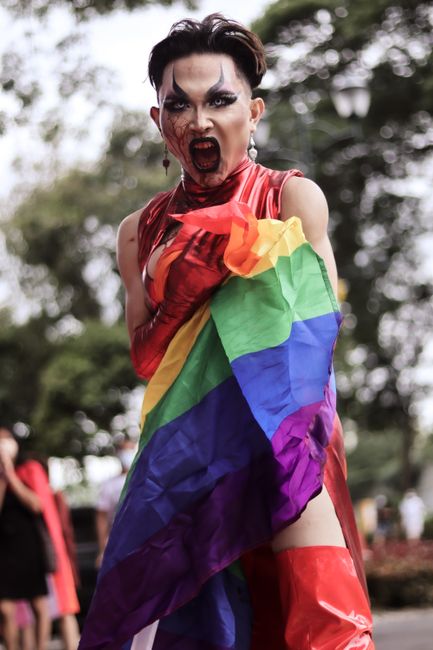
The low thrum of bass from the patio speakers at Prism Diner mixed with the sizzle of cast-iron shrimp and grits as servers in glitter-threaded aprons moved between tables. A group of four at the corner banquette laughed over negronis while a drag performer in a silver jumpsuit t
travel
The low thrum of bass from the patio speakers at Prism Diner mixed with the sizzle of cast-iron shrimp and grits as servers in glitter-threaded aprons moved between tables. A group of four at the corner banquette laughed over negronis while a drag performer in a silver jumpsuit t
M
Mia Greenwood
Jun 5, 2026 · 5 min read
Share
X / Twitter
Facebook
Instagram
Threads
Reddit
LinkedIn
Copy Link
Email
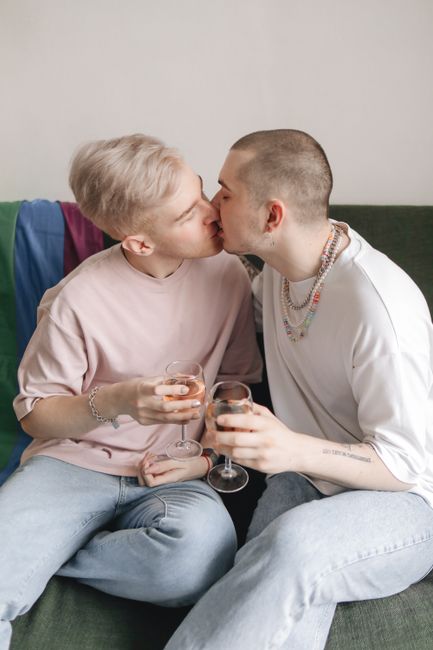
The low thrum of bass from the patio speakers at Prism Diner mixed with the sizzle of cast-iron shrimp and grits as servers in glitter-threaded aprons moved between tables. A group of four at the corner banquette laughed over negronis while a drag performer in a silver jumpsuit tested the mic near the open kitchen, her voice cutting through the evening air with a single practiced note. Outside on 10th Street, the sidewalk still held the day's heat, and the smell of rain on asphalt drifted in whenever the door swung open. It was just after seven on a Thursday, and the room already felt full without feeling crowded. Midtown has long served as one of the few consistent pockets in the Southeast where queer travelers can move without constant calculation. In a region where state legislatures continue to advance restrictions on gender-affirming care and public performances, the district's cluster of venues and restaurants offers something more immediate than policy debate: ordinary nights out that do not require advance scouting for safety. For visitors from smaller cities or from states with thinner protections, that difference registers in small ways—the absence of a second glance at two men holding hands at the bar, the ease of asking a server for a quiet table without explaining why. The stakes are practical as much as symbolic. When a traveler can spend an evening without managing risk, the trip shifts from endurance to actual leisure, and word of that shift travels. Prism Diner opened four years ago on Juniper Street, its owners converting a former dry-cleaning storefront into a 70-seat room lined with reclaimed pine and vintage concert posters. Owner Marcus Hale, who grew up in nearby Decatur, described the menu as "Southern with the volume turned up." On the night I visited, he stopped by the table to explain the okra dish, which arrives blistered and tossed with benne seeds and a swipe of smoked tomato aioli. Hale pointed to the small stage at the back where local musicians play most weekends and noted that the 8:30 slot on Fridays is usually held for LGBTQ performers. "We don't advertise it as a safe space because that phrase has started to feel like marketing," he said. "We just keep the lights low, the playlist current, and the staff trained not to ask unnecessary questions." Tickets for the music run twelve dollars and include a drink; reservations are taken through a simple online form that asks only for a name and party size. Yet the same stretch of Midtown that draws visitors also reflects the city's familiar tensions around development. Two blocks south, a new mixed-use tower with ground-floor retail has replaced a longtime Black-owned record shop, and several older queer bars have closed after rent increases. Some longtime residents point out that the inclusive programming at Prism and nearby spots can sit alongside rising costs that push out the very communities the district claims to welcome. A local organizer I spoke with, Jordan Reyes, noted that while the dinner shows attract out-of-town dollars, the neighborhood association meetings often center on noise complaints rather than on how to keep smaller LGBTQ-owned businesses viable. The result is an atmosphere that feels open during peak hours but can feel thinner once the tourists leave and the bills come due. Visitors who want the same mix of food and performance can reserve a table at Prism for the 7:00 seating on Friday, then walk three blocks to the Atlas Theater for the 10:00 late show, where tickets start at eighteen dollars and feature rotating lineups of stand-up and musical acts. The theater's box office opens at six and accepts walk-ups when seats remain. For those staying longer, the Midtown Business Association keeps a short list of verified LGBTQ-friendly lodging on its site, updated quarterly, and Hale responds to direct emails about dietary needs or accessibility requests within a day. Checking the venue's Instagram stories the morning of a visit gives the clearest sense of any last-minute changes to the schedule. The streetlights along Piedmont Avenue come on in staggered sequence after dark, each one catching the edge of a rainbow sticker in a shop window or the glint of a pin on someone's jacket. Those small markers stay visible long after the last show lets out.
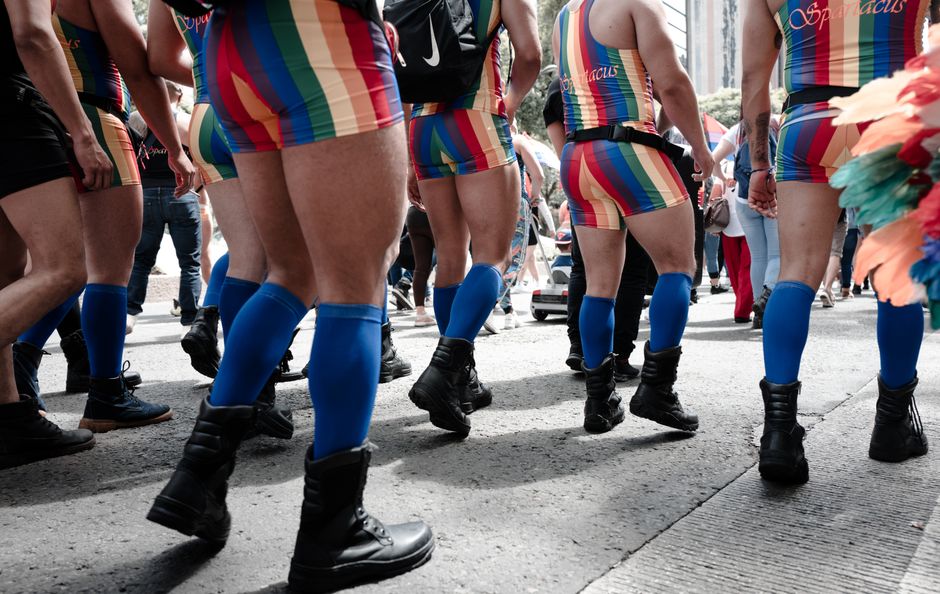
At the corner of 12th and Piedmont, the Echo Club keeps its doors open past midnight on weekends, its narrow back room lined with framed flyers from Atlanta Pride marches dating back to the 1990s. Bartender Lena Voss, who has worked the rail for eight years, mixes a steady rotation of old-fashioneds while fielding requests for songs that never make the streaming playlists. She keeps a notebook behind the register where regulars jot down names of musicians who need last-minute gigs, a system that has placed several Atlanta-based acts on small festival stages across the Southeast. Voss grew up in the same neighborhood where her grandparents ran a corner store before the high-rises arrived, and she points out the surviving brick facades visible from the club's narrow windows as proof that not every history has been paved over. Travelers who arrive before eleven can still catch the final set from visiting DJs who rotate through on Saturdays, with no cover if they order from the limited late menu of biscuits and gravy or spiced pecans. The club's mailing list, sent monthly, lists upcoming community fundraisers alongside the regular music calendar, giving out-of-town visitors a way to time trips around events that mix performance with local advocacy. Street parking remains free after ten, though rideshares drop off directly under the awning marked only by a single red bulb.
About the Author
M
Mia Greenwood
Staff writer at ThePinkPulse — covering LGBTQ+ news, culture, and community stories.