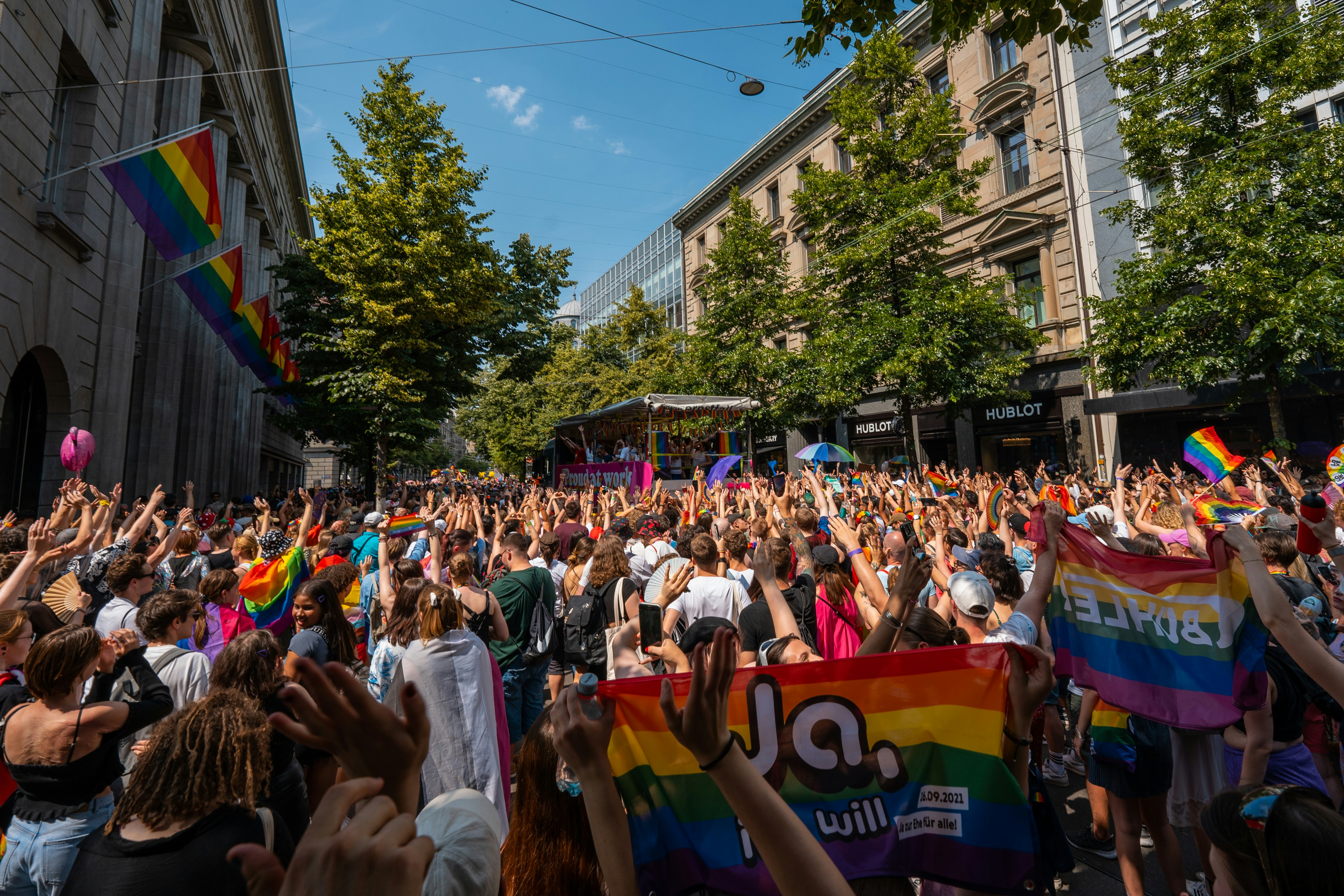
Midtown remains Atlanta's primary LGBTQ district, anchored by a cluster of bars, restaurants, and retail that cater explicitly to queer clientele. For out-of-town visitors, a focused weekend here beats chasing scattered venues across the city.
Travel
Midtown remains Atlanta's primary LGBTQ district, anchored by a cluster of bars, restaurants, and retail that cater explicitly to queer clientele. For out-of-town visitors, a focused weekend here beats chasing scattered venues across the city.
#Atlanta#Midtown#weekend guide#queer travel#bars and nightlife
R
Ryan Salazar
Apr 18, 2026 · 4 min read
Share
X / Twitter
Facebook
Instagram
Threads
Reddit
LinkedIn
Copy Link
Email
The intersection of Peachtree and 17th Street marks the unofficial center of Midtown's gay quarter. On a Friday night, the block radiates with purpose: neon signage, foot traffic, the ambient thump of house music bleeding from open doors. This is where most queer travelers land, and for good reason. Midtown's density means you can walk between destinations, drink, eat, and socialize without a car—a rarity in Atlanta.
Start Friday evening at one of the district's anchor establishments. The Atlanta Eagle, a leather and Levi bar that has operated on Peachtree for decades, functions as a de facto community hub. It draws a cross-section of men, from fresh arrivals to longtime residents. The bar's back patio remains a focal point; weather permitting, it's where conversations extend into the night. First-timers often underestimate how central this venue is to the local scene's infrastructure. It's not a nightclub with a DJ booth and a cover charge—it's a bar where people actually talk to strangers.
Two blocks south on Peachtree sits Backstreet, a dance club that operates Thursday through Sunday. The venue occupies a massive footprint and hosts multiple rooms with different music styles, which means the crowd fragments by preference rather than forcing everyone into a single aesthetic. Friday nights draw the widest demographic mix; by Saturday, the energy skews younger. The cover charge fluctuates depending on the night and event, so check ahead. Backstreet's scale can feel impersonal compared to smaller venues, but that's precisely the point—it's where volume and anonymity meet, which appeals to certain visitors.
For Saturday daytime, abandon Peachtree and head to Piedmont Park, which sits directly east of Midtown. The park's open green space and walking trails offer a break from the commercial strip. The park's dog park, lake area, and playgrounds mean you'll encounter families and longtime residents alongside queer visitors. It's a reminder that Midtown isn't cordoned off from the rest of Atlanta; it's embedded within a working neighborhood. Grab coffee from a nearby café and spend an hour walking the perimeter. The views south toward downtown Atlanta's skyline are worth the time.
Saturday afternoon, return to Peachtree for lunch. The restaurant options in Midtown range from casual to upscale, though none are exclusively queer-owned. This matters: Midtown's dining scene serves the neighborhood's permanent residents as much as tourists. That means quality control and consistency. Several establishments on Peachtree maintain outdoor seating where people-watching is part of the meal. Arrive by 1 p.m. if you want a table without a wait.
Saturday evening is when Midtown's nightlife peaks. The club scene activates earlier than most cities—doors open by 10 p.m., and crowds are substantial by 11 p.m. This isn't New York or Los Angeles, where 1 a.m. is still considered early. Plan accordingly. Most venues charge a cover between $10 and $20, though specials and promotions run frequently. Some clubs enforce dress codes (no athletic wear, no flip-flops), so check before you go. The music policy varies by venue and night; electronic, hip-hop, and top-40 rotate depending on the DJ and the event. Ask locals once you arrive—they'll point you toward the night that matches your taste.
Sunday is recovery day. The neighborhood moves slower. Some bars open early for brunch, which has become a standard ritual in Midtown. The meal stretches into afternoon, fueled by cocktails and the social momentum of the previous night. This is when you encounter regulars and overhear conversations about local politics, real estate prices, and relationship drama. It's anthropologically useful—you'll hear what residents actually care about rather than what tourism boards claim.
When to visit: Spring and fall offer mild weather and clear skies. Summer brings heat and humidity, which means more people retreat indoors. Winter is mild compared to northern cities, but rain is frequent. The Pride festival in June draws national attention and substantially increases foot traffic; if you prefer smaller crowds, avoid that month. Most other weekends feel manageable.
Midtown's appeal isn't that it's a theme park or a museum. It's a functioning neighborhood where queer people have concentrated enough to create infrastructure: bars, restaurants, shops, and social networks. That infrastructure serves both residents and visitors, which is why it persists. The district's longevity—some venues have operated for twenty-plus years—reflects something stable beneath the surface-level party narrative.
First-time visitors often expect Midtown to deliver novelty or spectacle. What it actually delivers is access. You can move between venues on foot. You can sit at a bar and have a conversation without performing for an audience. You can eat a meal without pretense. That's not revolutionary, but in most American cities, it's still noteworthy. Midtown works because it was built for a specific population, and that population has shown up consistently to maintain it. A 48-hour visit won't exhaust the neighborhood, but it will show you why people choose to stay.
Tags:#Atlanta#Midtown#weekend guide#queer travel#bars and nightlife
About the Author
R
Ryan Salazar
Staff writer at ThePinkPulse — covering LGBTQ+ news, culture, and community stories.