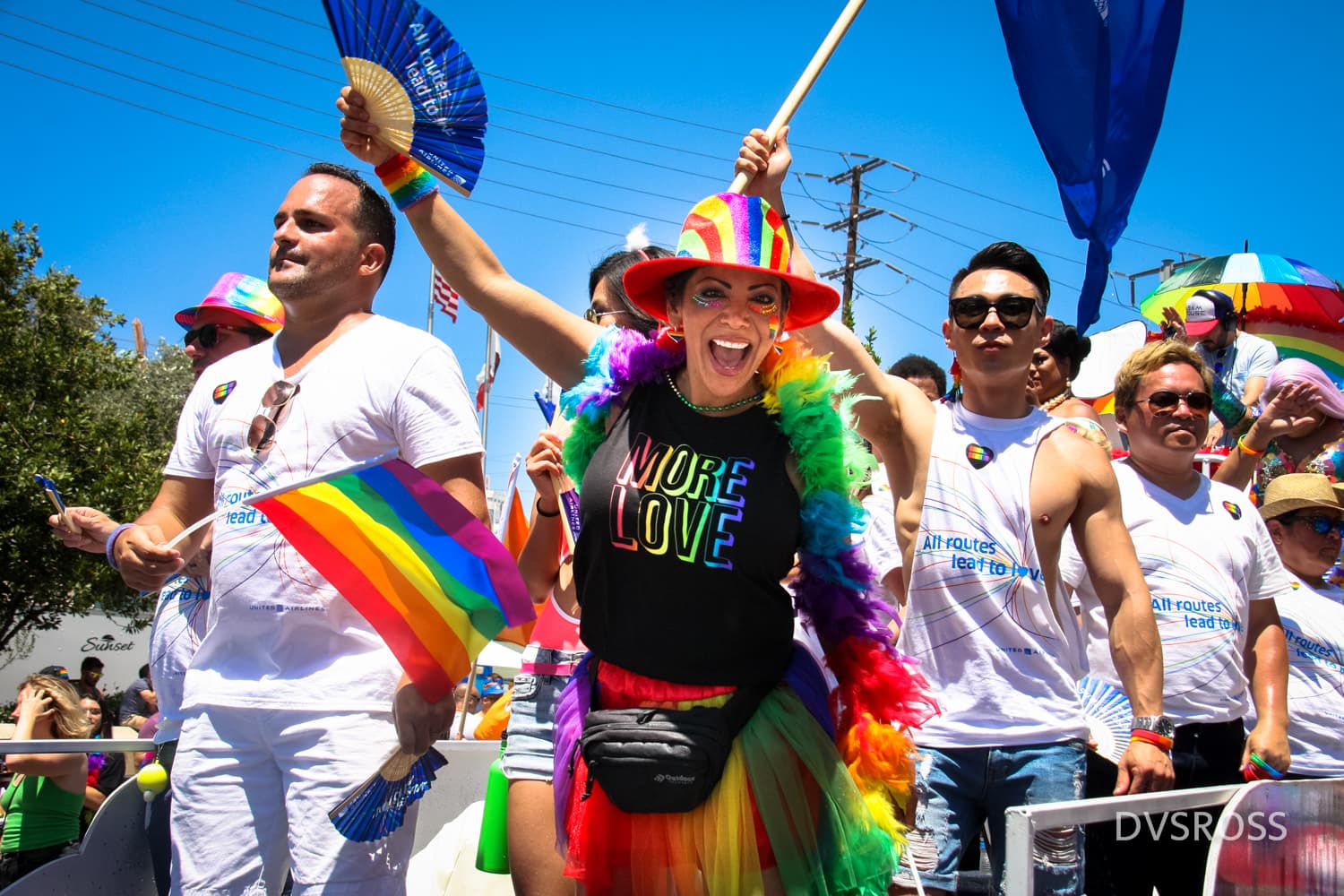
Berlin's queer after hours events turn historic museums into defiant dance havens
the lights stay low at the schwules museum after midnight, where the old wooden floors creak under boots and the smell of spilled beer mixes with dust from framed photographs on the walls. people move between exhibits of 1920s berlin cabaret posters and leather jackets from the 8
nightlife
the lights stay low at the schwules museum after midnight, where the old wooden floors creak under boots and the smell of spilled beer mixes with dust from framed photographs on the walls. people move between exhibits of 1920s berlin cabaret posters and leather jackets from the 8
A
Ava Martinez
Jul 13, 2026 · 5 min read
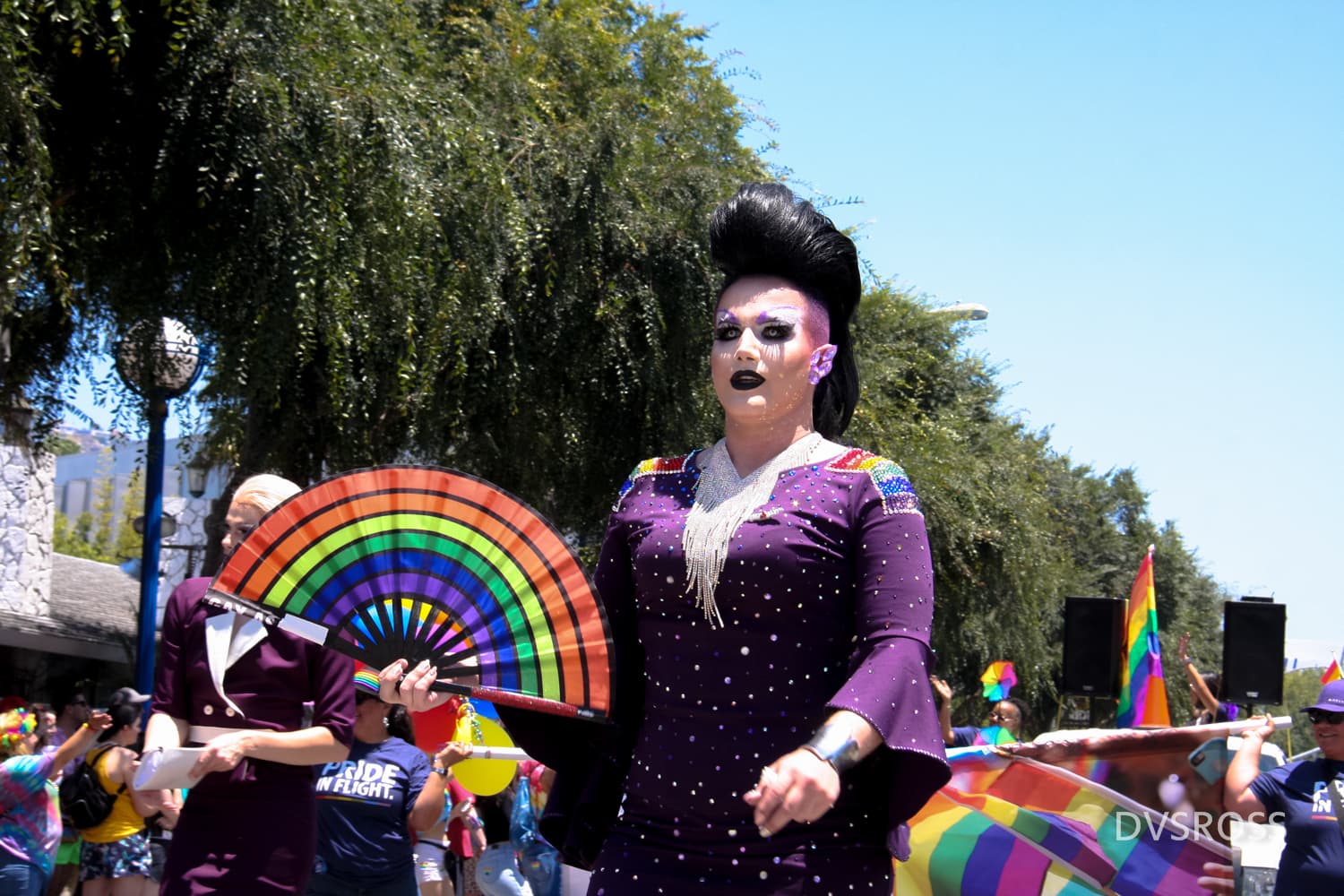
the lights stay low at the schwules museum after midnight, where the old wooden floors creak under boots and the smell of spilled beer mixes with dust from framed photographs on the walls. people move between exhibits of 1920s berlin cabaret posters and leather jackets from the 80s, the bass from the sound system vibrating through the cases. a drag performer in a silver jumpsuit leans against a display of weimar-era magazines while the crowd pulses around them, sweat visible on collars under the red exit signs. this shift matters because queer nightlife in berlin has always pushed back against erasure, turning quiet cultural spaces into places where bodies claim room without apology. historic museums carry layers of official memory that often sidelined or pathologized same-sex desire, and after-hours events flip that script in small but persistent ways. advocates argue the gatherings create temporary zones of safety and flirtation that echo earlier underground scenes, yet they also expose ongoing frictions over who gets to define public heritage. personal stakes run high for regulars who grew up without visible queer elders in these buildings, and the events offer a direct counter to narratives that treat museums as fixed and neutral. recent reporting suggests city funding for cultural sites still favors daytime programs, leaving these nights to rely on volunteer crews and word-of-mouth crowds. schwules museum in kreuzberg hosts one of the more established series, with organizer alex handling the logistics on most weekends. alex, who has worked the door for three years, described the setup as a way to keep the institution alive after closing time without turning it into another club. one regular told me the best nights happen when the playlist pulls from local labels and the lighting stays just bright enough to read the wall text between dances. last month the crowd included a mix of students from nearby universities and older visitors who remembered the museum's early years, with conversations spilling from the coat check into the main hall. the event draws from the neighborhood's long history of queer squats and bars, yet it stays tied to the museum's archive of photographs and oral histories that document berlin's own shifts from tolerance to crackdowns. complications surface when the museum's daytime staff push back on the noise levels and the occasional scuff marks on the floors. some curators worry the parties risk reducing careful exhibits to mere backdrop, while others see the tension as useful friction that forces the institution to confront its own limits. city permits add another layer, since berlin's strict rules on late-night gatherings in cultural buildings require extra security that smaller crews struggle to afford. one night a sound complaint from a neighboring apartment block cut the event short by an hour, leaving dancers outside on the sidewalk trading numbers for the next gathering. the contrast shows up clearest on nights when the same space hosts a formal lecture series earlier, highlighting how quickly the mood changes once the doors lock for the public. check the schwules museum calendar for upcoming after-hours dates, then follow their social channels for last-minute details on entry. ask at the door about volunteer shifts if you want to help with setup, or connect with alex directly during quieter hours to learn about other spots in friedrichshain that rotate similar nights. local queer listings in print zines at bars near kottbusser tor often list the same crews, giving a clearer sense of which events stay small and which ones draw bigger lines. a single scuffed floorboard near the exit tells its own story once the music fades and the last person steps outside. across the canal in neukölln the same impulse surfaces at a former bakery turned archive called archiv der alternativen, where felix keeps a stack of hand-printed flyers from the nineties that once advertised illegal dance floors in abandoned factories. felix, who started volunteering there after moving from hamburg five years ago, opens the back room on thursdays for a smaller crowd that arrives with thermos flasks of tea and portable speakers tucked under coats. the space holds rows of cassette tapes and faded zines that trace how queer groups claimed empty lots during the post-wall years, and the nights turn those documents into prompts for stories traded between dancers who pause mid-track to point at a particular photo of a 1993 street protest. conversations here linger on the shift from those squats to current city rules that treat late gatherings as potential disturbances rather than extensions of the archive itself. one evening a visiting performer from the schwules crowd joined in and described how the two spots trade equipment and ideas without formal agreements, relying instead on shared lists of reliable volunteers who know how to stack chairs quietly after the last song. tensions appear when daytime archivists return to find tape residue on display cases or chairs left slightly out of line, prompting quiet meetings about balancing preservation with the need for bodies to move through the rooms after hours. berlin's layered permits mean these sessions often end before the official curfew, sending small groups toward the u-bahn with plans scribbled on the back of event flyers. regulars note that the mix of ages keeps the memory of earlier crackdowns alive, as older attendees recount raids from the eighties while younger ones test how far the current setup can stretch before another complaint arrives from the street outside.
Share:
About the Author
A
Ava Martinez
Staff writer at ThePinkPulse — covering LGBTQ+ news, culture, and community stories.