Queer Love Stories Come Alive at Boston’s Gay Rights Heritage Center
Walking into Boston’s Gay Rights Heritage Center (GRHC) is like stepping back in time—literally. The brick walls carry whispers of history, and the soft hum of guided tours echoes through a space where love stories have been preserved for decades. The scent of old leather books a
relationships
Walking into Boston’s Gay Rights Heritage Center (GRHC) is like stepping back in time—literally. The brick walls carry whispers of history, and the soft hum of guided tours echoes through a space where love stories have been preserved for decades. The scent of old leather books a
A
Ariana Santos
Jun 6, 2026 · 6 min read
Share
X / Twitter
Facebook
Instagram
Threads
Reddit
LinkedIn
Copy Link
Email
Walking into Boston’s Gay Rights Heritage Center (GRHC) is like stepping back in time—literally. The brick walls carry whispers of history, and the soft hum of guided tours echoes through a space where love stories have been preserved for decades. The scent of old leather books and the sight of faded photographs create an intimate atmosphere that invites you to explore the personal lives that shaped a movement. Queer museums matter because they are more than just repositories of facts; they are living testaments to resilience, activism, and the power of community. For many LGBTQ+ individuals, these spaces serve as touchstones—places where we can find our stories reflected back at us in all their messy, beautiful glory. They offer a counter-narrative to the dominant culture’s often sanitized version of history, highlighting the intersection of personal identity with political struggles. At GRHC, the stories are vivid and palpable. One tour guide, Maria Rodriguez, shares a poignant anecdote about the Stonewall riots, likening them to “a spark that ignited a fire.” As she recounts how patrons fought back against police raids in 1969, her voice trembles with emotion. “They didn’t just fight for themselves; they fought for their future,” Maria says, her words hanging in the air like smoke from the battles of old. This moment is a stark reminder of how far we’ve come and how much further we still need to go. However, not everyone sees these museums through rose-tinted glasses. Critics argue that such institutions can become too focused on their own history, potentially marginalizing newer generations of activists who are pushing for more progressive policies and rights. They worry about the risk of nostalgia overshadowing current struggles. “It’s important to celebrate our heritage,” says one local activist, “but we shouldn’t lose sight of what we’re fighting for today.” Despite these concerns, GRHC remains a crucial site for understanding not just Boston’s queer past but its present and future too. The center hosts regular events like film screenings, art exhibitions, and panel discussions that address contemporary issues facing the LGBTQ+ community. By bridging the gap between historical milestones and ongoing activism, it ensures that the love stories of yesterday inspire the struggles of tomorrow. For those interested in deeper into Boston’s queer heritage, GRHC offers a variety of programs. The “Queer Voices” podcast series is a must-listen, featuring interviews with local activists and artists who are shaping the LGBTQ+ landscape today. Additionally, the center hosts an annual art exhibit that celebrates contemporary queer artists from around New England. As you leave GRHC, the stories linger in your mind—love triumphing over oppression, resilience in the face of adversity. The museum is a tangible reminder that every step forward was hard-earned and that every moment of joy and love is worth fighting for. In this city where history whispers through cobblestone streets and old photographs, the Gay Rights Heritage Center stands as a beacon—guiding us toward a future where love knows no boundaries.
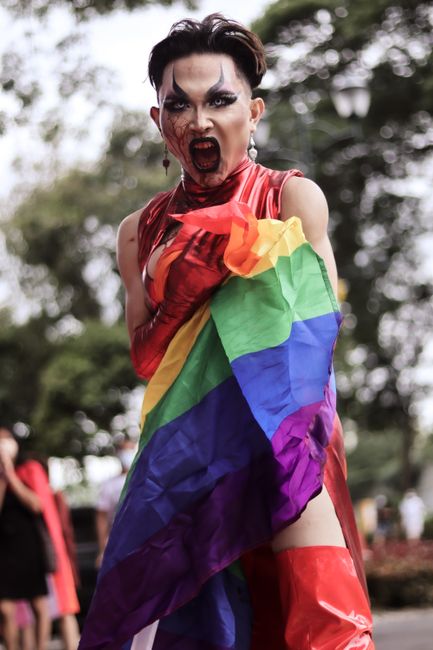
Just beyond GRHC’s doors lies Caffè Vittoria, a cozy Italian café that has been a cornerstone of Boston’s LGBTQ+ community since 1978. Patrons spill out onto the bustling Cambridge Common, their laughter mingling with the sounds of street performers and city-goers. Maria, who now works as the café’s manager, shares a story about a regular customer named Frank. Frank, a retired teacher in his seventies, would often bring along an LGBTQ+ history book to read over coffee. One day, he tearfully confessed that his son had recently come out as transgender and felt lost. The community came together for him, offering support and resources. “It’s like the café has become a safe haven,” Frank says, wiping away a single tear. “People here make me feel seen.” Caffè Vittoria is more than just a meeting spot; it’s a lifeline that reinforces the connection between history and daily life. The center’s events often spill into the café, with workshops on LGBTQ+ family law or discussions led by local advocates. Maria notes how these gatherings strengthen the community’s bonds, fostering an environment where individuals can share their stories and seek guidance. “We’re not just preserving a past,” she says, “we’re building a future.” One such event was a panel discussion titled “Queer Parents, Straight Questions.” Attendees ranged from parents of transgender children to allies seeking understanding. The conversation was raw and honest, with one parent sharing the challenges of explaining gender identity to their young nieces and nephews. Another participant, Sarah, a therapist who specializes in LGBTQ+ youth, emphasized the importance of education and support systems for families these new dynamics. “It’s about creating spaces where everyone feels they belong,” she said, her eyes filled with resolve. In the back of Caffè Vittoria, a small exhibit showcases local artists whose works reflect themes of queer love and resilience. One piece, a mixed-media portrait titled “Whispers in the Wind,” by artist Alex Chen, captures two figures intertwined under a starry night sky. The artist’s note reads: “We are all connected, no matter where we come from.” This sentiment resonates with many attendees, who find solace and inspiration in these visual narratives. The intersection of art and activism is not just confined to Caffè Vittoria but extends across Boston’s queer cultural landscape. Every year, the city hosts a pride parade that starts at Fenway Park—where GLASSQ (Gay and Lesbian Alliance Against Defamation) was founded in 1979—and winds through the streets of Beacon Hill before ending at Copley Square. As the parade passes by GRHC, it feels like a physical manifestation of the community’s evolution—from those early days of fighting for rights to now celebrating love and diversity. The pride festival that follows is a testament to how far the LGBTQ+ community has come. It features live music, food vendors serving up queer-friendly dishes, and interactive exhibits that educate attendees about various aspects of LGBTQ+ life. The highlight of the day is always the grand march, where participants of all ages and backgrounds unite under rainbow banners. For many, it’s a moment of profound pride and connection. As the sun sets over Beacon Hill, casting long shadows on the cobblestone streets, the sense of community at Caffè Vittoria deepens even more. Frank joins a group of friends for one last cup of coffee before heading home. He chats animatedly about the day’s events, his voice full of hope and determination. “This is what it means to have each other,” he says, raising his mug in a silent toast. In Boston, the interplay between queer history, cultural institutions like GRHC, and local crowd spaces like Caffè Vittoria paints a picture of resilience, love, and progress. Each step forward builds upon the stories that came before, creating a living legacy that inspires future generations to continue fighting for equality and acceptance.
About the Author
A
Ariana Santos
Staff writer at ThePinkPulse — covering LGBTQ+ news, culture, and community stories.