Cape Town after dark welcomes queer women to its rooftop bars
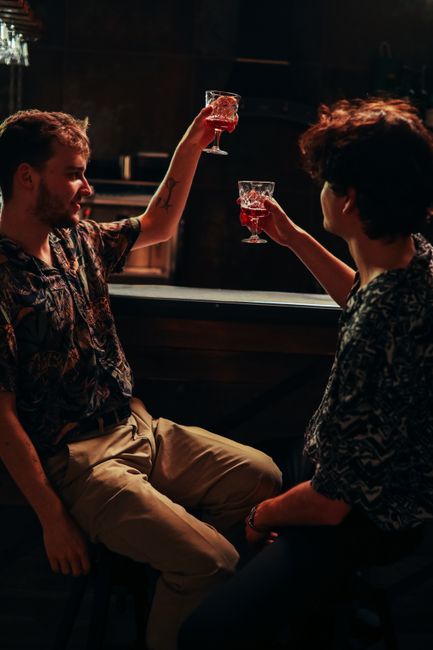
The salt air carries a mix of citrus cocktails and clove cigarettes up to the railing where a dozen women lean into each other against the city lights. From the rooftop at The High Note in De Waterkant, Table Mountain cuts a dark silhouette under a nearly full moon, and the bass
nightlife
The salt air carries a mix of citrus cocktails and clove cigarettes up to the railing where a dozen women lean into each other against the city lights. From the rooftop at The High Note in De Waterkant, Table Mountain cuts a dark silhouette under a nearly full moon, and the bass
O
Owen Huntley
Jun 7, 2026 · 5 min read
Share
X / Twitter
Facebook
Instagram
Threads
Reddit
LinkedIn
Copy Link
Email
The salt air carries a mix of citrus cocktails and clove cigarettes up to the railing where a dozen women lean into each other against the city lights. From the rooftop at The High Note in De Waterkant, Table Mountain cuts a dark silhouette under a nearly full moon, and the bass from the sound system rattles the ice in glasses. A group in leather jackets and cropped tees trades stories about the afternoon’s netball match while a bartender slides over a round of spiced rum sours for R65 each. It is just past ten on a Thursday, and the space feels claimed without any announcement. South Africa’s constitution protects queer people on paper, yet everyday life in Cape Town still requires women to read rooms and choose exits carefully. Rooftop bars have become one of the few places where that calculation loosens for an evening. The cost of entry stays modest, around R80 on themed nights, and the open-air layout reduces the closed-door tension that lingers in some ground-floor venues. For women who grew up in neighborhoods where visibility still carried risk, these hours above street level offer something steadier than a single Pride weekend. They also mark a quiet shift in who spends money after dark: the crowd skews local rather than tourist, and tips stay with Black and Coloured staff who remember the same side streets from their own teenage years. The High Note runs its weekly women’s set from nine until late, with DJ Zanele spinning Amapiano remixes that pull dancers toward the center of the floor. Last week she paused between tracks to shout out a regular who had driven in from Mitchells Plain. “She brings her whole crew every time,” Zanele said into the mic, “and they tip like they mean it.” The bar keeps a short menu heavy on local gin and ginger beer, and the manager, Fatima, posts the playlist on Instagram stories the next morning so people can find the tracks without asking. Attendance hovers around eighty on Thursdays, enough to feel full but not so packed that anyone loses sight of the exit stairs. A small stage in one corner hosts live acoustic sets on the first Thursday of each month, and the performers rotate through a list that includes poets from Observatory and a guitarist who used to busk on Long Street. Yet the same rooftops that feel open after sunset can still close ranks when the bill arrives or when the crowd tilts toward one social circle. Prices for imported spirits climb quickly past R120, and some groups book the better tables in advance, leaving walk-ups with the standing rail. A few blocks away on the same strip, a ground-floor spot that tried a similar night last year folded after two months because the landlord raised the rent once word spread. The rooftop advantage is partly architectural, partly economic: higher floors command higher drink minimums, and that filters who stays past midnight. Some women have started pooling cash for shared bottles to stretch the evening, while others head home earlier rather than stretch a single drink across three hours of music. Thursday remains the clearest bet for first-timers. Arrive before ten to claim a spot at the rail, bring cash for the cover and at least one round, and follow the venue’s Instagram for last-minute changes. Zanele’s sets are also streamed on the bar’s page the following afternoon if a ride falls through. A smaller spot in Woodstock called Salt & Sky opens its terrace on Saturdays with no cover before nine and cheaper local beers at R45; the crowd there skews slightly older and includes women who work the nearby film studios. Both places keep an events calendar pinned near the bar, and the staff will point out the next poetry night or visiting DJ without extra prompting. From the railing the mountain looks close enough to touch, yet the real distance is measured in who feels safe walking back to their car once the lights come up. These rooftops do not erase that gap, but they shorten the walk for a few hours each week.
At the Terrace on Kloof Street, Lindiwe keeps the upper deck open on Fridays with a cover that stays at R60 until eleven. She mixes her own batch of rooibos and lemon gin behind the bar and hands the first pour to anyone who mentions they parked two blocks down because the closer spots fill fast. A nurse from Groote Schuur who finishes shifts at midnight shows up with two colleagues still in scrubs under their jackets, and they trade notes on which taxi ranks run later than the apps promise. The playlist leans toward older house tracks that pull a few women onto the small patch of floor near the railing, where the city lights stretch toward the harbor. Lindiwe posts the evening totals on a chalkboard each week, showing how tips from local tables cover the sound engineer who grew up in Athlone and now lives in the same building as two of the regulars. One woman who moved from Khayelitsha two years ago says the view from this height makes the drive back feel shorter, even when the roads stay quiet past one. The same pattern repeats at smaller decks in Observatory, where acoustic nights pull poets who read pieces about block parties that used to end at dawn. These hours above the street keep adding up in ledgers that never reach the city papers, yet they mark the edges where evening spending starts to follow different routes home.
About the Author
O
Owen Huntley
Staff writer at ThePinkPulse — covering LGBTQ+ news, culture, and community stories.