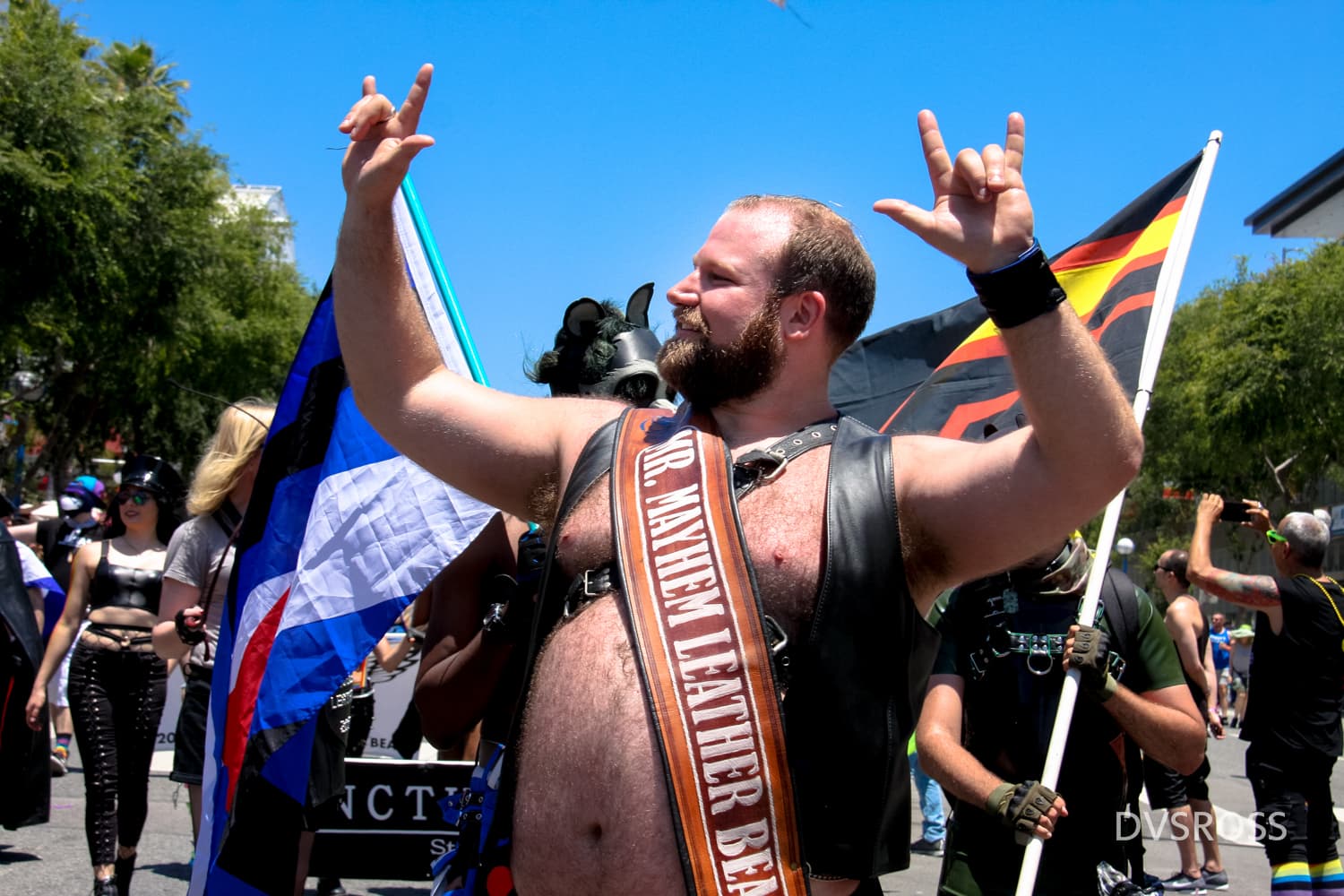
fire island afterhours scene celebrates queer resilience with wild dance floors
the lights in the pines pulse low and red after midnight, bodies packed shoulder to shoulder on the dance floor while bass rattles the wooden deck. sweat mixes with salt air, and every few minutes the crowd lets out a collective roar that rolls across the bay. someone in a harnes
nightlife
the lights in the pines pulse low and red after midnight, bodies packed shoulder to shoulder on the dance floor while bass rattles the wooden deck. sweat mixes with salt air, and every few minutes the crowd lets out a collective roar that rolls across the bay. someone in a harnes
M
Milo Cavanaugh
Jul 14, 2026 · 4 min read
the lights in the pines pulse low and red after midnight, bodies packed shoulder to shoulder on the dance floor while bass rattles the wooden deck. sweat mixes with salt air, and every few minutes the crowd lets out a collective roar that rolls across the bay. someone in a harness spins under a mirror ball, while friends link arms and stomp in time. the afterhours scene here does not pause for breath. it builds on the same energy that has kept these shores alive for decades, turning small rooms and outdoor decks into temporary sanctuaries where the volume drowns out everything else. queer resilience shows up in the choice to keep dancing when the outside world keeps testing limits. fire island has long served as a gathering point for people who face daily friction elsewhere, and the late-night floors extend that tradition into hours when most towns quiet down. personal stakes appear in the stories carried onto the floor: friends who lost housing, couples new laws, or simply anyone who needs a place to move without explanation. the political weight comes from the refusal to shrink the space, even when visibility brings pushback. advocates argue the scene functions as both escape and declaration, a reminder that joy persists alongside the harder work of organizing and surviving. that persistence matters because it refuses to let external pressure dictate the terms of community life. a bar in the pines known for its open deck draws the thickest crowds once the ferries stop running. one regular named jordan, who has been coming out for summers since the early 2010s, described the shift after two in the morning. the music gets heavier, the lighting drops further, and the dancing turns more communal. jordan recalled a recent weekend when a circle formed around a performer lip-syncing from atop a speaker, and the entire floor joined in on the chorus without prompting. the moment lasted only minutes, yet it captured the loose structure that keeps people returning. another attendee mentioned the way strangers trade water bottles and check in on each other when the heat climbs, turning the night into something more than individual release. those small exchanges accumulate into the reason the floor stays crowded until sunrise. still, the scene carries its own complications. rising costs for ferry tickets and shared houses push out some longtime visitors, leaving newer crowds that skew toward short-term party plans rather than sustained connection. one local bartender noted the difference between earlier years, when groups stayed together across multiple nights, and now, when faces change faster and conversations stay lighter. the contrast shows up in the music too, with sets that favor high-energy drops over the slower builds that once let people talk between tracks. some regulars worry the emphasis on spectacle can flatten the quieter forms of resilience that used to happen in the same rooms. the push and pull between spectacle and intimacy continues without easy resolution, and the floor absorbs both sides. head to the pines or cherry grove on a weekend when the calendar lines up with longer days, and start at any of the established spots that stay open after the main events wind down. ask at the bar for the next afterhours set or listen for the music drifting from decks along the boardwalk. follow performers and djs who post their schedules on community boards rather than commercial accounts. bring cash for drinks, keep an eye on the last ferry times, and plan to stay through at least one full cycle of the floor emptying and refilling. the payoff comes from showing up consistently enough to recognize faces and trade stories, which turns a single night into an ongoing thread. the water stays dark beyond the lights, but the beat does not let the horizon feel empty. across the bay at the ice palace the energy shifts when a local known as taylor steps up for an impromptu set that blends vintage disco with current beats. taylor who arrived on the island as a teenager in the nineties describes how the venue became a refuge during times when public expressions of identity carried heavier risks and how those early mornings of collective release helped sustain a network of support that extended beyond the summer months. the crowd responds by passing flags and banners between hands while voices rise in unison on familiar choruses creating pockets of affirmation amid the swirl of movement. such moments underscore the enduring role of these spaces in fostering solidarity that counters external narratives of division and exclusion. challenges persist as seasonal rentals climb in price and force some long term participants to limit their stays or skip seasons entirely which thins the layers of shared history on the floor. a group of friends who have returned together for fifteen years mention the loss of quiet corners where stories of personal battles once circulated freely now replaced by louder spectacles that prioritize visual impact. the tension between preservation and adaptation plays out as the night wears on and the dance absorbs these shifts without losing its core pulse. "
Share:
About the Author
M
Milo Cavanaugh
Staff writer at ThePinkPulse — covering LGBTQ+ news, culture, and community stories.