Fort Lauderdale drag nights spotlight rising trans fashion talent
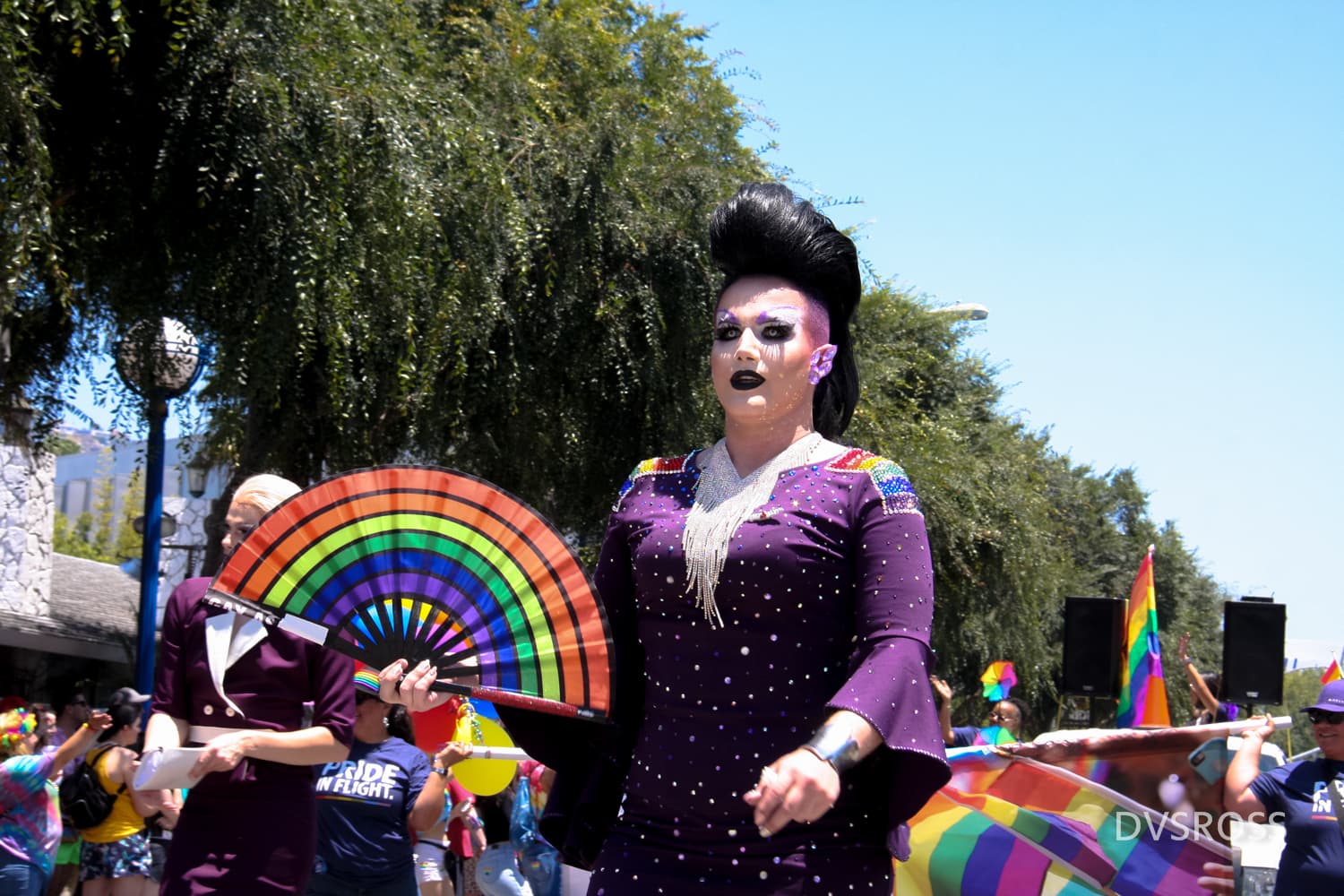
the lights hit the sequined shoulders just right at a packed club in wilton manors, where the air smells like hairspray and spilled rum. a performer in a custom-tailored blazer with exaggerated shoulders struts across the stage, fabric catching every flash from the phone cameras
nightlife
the lights hit the sequined shoulders just right at a packed club in wilton manors, where the air smells like hairspray and spilled rum. a performer in a custom-tailored blazer with exaggerated shoulders struts across the stage, fabric catching every flash from the phone cameras
V
Vivian Hernandez
Jul 10, 2026 · 5 min read
the lights hit the sequined shoulders just right at a packed club in wilton manors, where the air smells like hairspray and spilled rum. a performer in a custom-tailored blazer with exaggerated shoulders struts across the stage, fabric catching every flash from the phone cameras in the crowd. the cut emphasizes a sharp waist and flowing sleeves that trail like banners, the kind of silhouette that turns a simple walk into a statement. nearby, another artist adjusts a harness layered over sheer mesh, the details pulled from thrift finds and late-night sewing sessions. these drag nights have become the place where trans designers test new shapes without waiting for runway approval. the scene matters because fashion in these spaces moves faster than corporate schedules allow, letting trans creators shape silhouettes that reflect bodies often sidelined elsewhere. personal stakes run high when a garment signals identity in a city where local ordinances still spark debate, yet the work itself pushes back through fabric and fit. advocates argue visibility here builds networks that extend beyond nightlife, giving makers access to small commissions and peer feedback that traditional houses rarely extend. cultural weight comes from the way these looks circulate on social feeds, influencing what young trans people see as possible for their own wardrobes. political tension lingers in the background, with some performers noting that the same stages drawing crowds also attract scrutiny, yet the focus stays on craft rather than confrontation. the result is a quiet accumulation of talent that refuses to wait for external validation. wilton manors bars have hosted regular drag programming for years, and one recent evening featured a designer named alex rivera showing pieces made from repurposed denim and metallic trim. rivera, who started altering thrift jackets during the pandemic, explained how the oversized lapels came from measuring friends backstage rather than following standard sizing charts. the event pulled in a mix of locals and visitors who lingered after the show to ask about custom orders, with one regular telling me the structured pants on stage reminded them of old ballroom photos but updated for current silhouettes. another performer wore a cape constructed from layered organza that shifted color under the lights, the effect achieved by stitching together remnants from previous costumes. these details matter because they reveal the trial-and-error process that happens in real time, not in a studio with assistants. rivera mentioned collaborating with a local seamstress on reinforced hems so the garments survive multiple shows without tearing. yet the spotlight also brings complications, as some established drag performers question whether the emphasis on trans fashion risks overshadowing the broader entertainment value of the nights. one long-time host pointed out that booking decisions sometimes favor looks over lip-sync skill, creating uneven lineups where visual impact carries more weight than stage presence. this tension surfaces when newer designers arrive with polished garments but limited experience handling rowdy crowds, leading to moments where technical glitches undercut the intended effect. meanwhile, rising costs for fabric and venue fees squeeze smaller creators who lack sponsorship, forcing trade-offs between ambition and practicality. the contrast appears clearest when comparing a meticulously constructed gown that draws gasps against a simpler outfit that still lands because the performer owns the walk. these frictions do not cancel the momentum but they complicate any narrative of unbroken progress, reminding everyone involved that talent alone rarely clears every obstacle. check the weekly listings at clubs along the wilton drive strip for upcoming drag programming, then follow local makers on social platforms using hashtags tied to fort lauderdale events to spot new drops before they sell out. rivera often posts work-in-progress shots from fittings, and reaching out directly through those channels has led to small-batch orders for regulars who want similar tailoring. stop by thrift stores in the area for base pieces that can be reworked, since many of the designers featured started exactly that way. if travel plans include a weekend visit, arrive early enough to catch the pre-show crowd where conversations about upcoming collections happen organically. keep an eye on community bulletin boards near the neighborhood for pop-up announcements that do not always reach larger feeds. a single altered jacket can carry the memory of every hand that touched the fabric, turning one night into the start of someone else's pattern. at the back room of a place called the orchid lounge further down the strip another designer named samuel torres demonstrates how to attach led strips to the hems of pants so the outlines glow during blackout segments of the show. torres learned the trick from an older performer who used similar lighting on tour years ago and now adapts it for current acts that blend movement with visibility. the demonstration draws a small crowd of aspiring creators who take notes on their phones while the music from the main floor pulses through the walls. this sharing of methods strengthens ties between generations in the local scene where formal education in design often feels distant from the immediate needs of performers. later that same night torres unveils a vest made entirely from recycled festival banners its patches telling stories of past events through faded logos and frayed edges. the piece sparks conversations about sustainability in a community already accustomed to making do with limited resources. such moments highlight how the nightlife setting serves as both workshop and archive preserving techniques that might otherwise fade from view. regulars at these gatherings often return with their own modifications adding personal elements that circulate back into the collective pool of ideas.
Share:
About the Author
V
Vivian Hernandez
Staff writer at ThePinkPulse — covering LGBTQ+ news, culture, and community stories.
Support this writer
Enjoyed this story? Show Vivian Hernandez some love