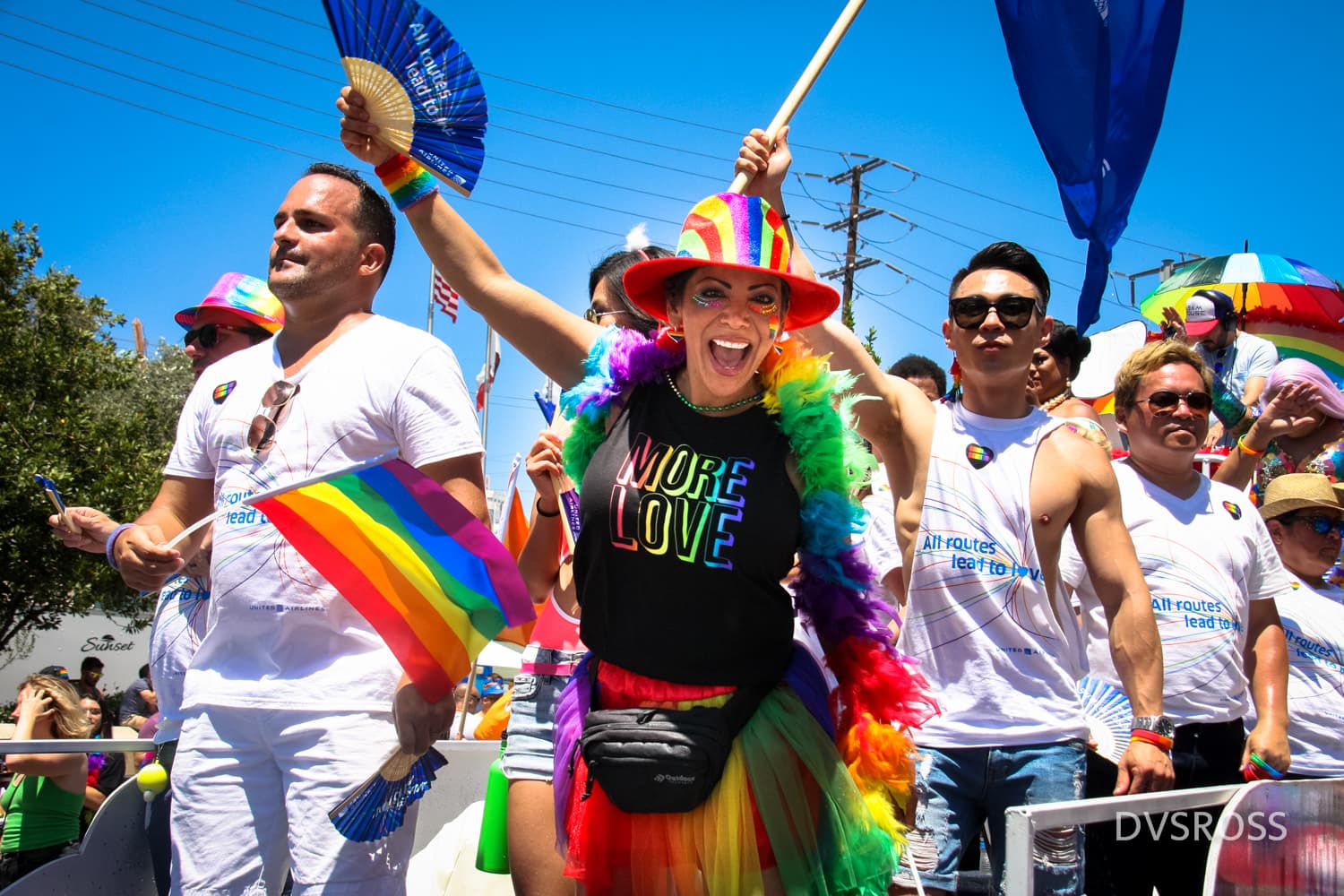
Queer Latinos Find Community In Hartford Nightlife With Latin Beats
The bass rattles the floorboards at a club in Hartford's South End. Sweat clings to skin under red lights while reggaeton tracks roll one after another. Groups of queer Latinos gather near the edge of the dance floor, trading nods and quick hugs before pulling each other into the
nightlife
The bass rattles the floorboards at a club in Hartford's South End. Sweat clings to skin under red lights while reggaeton tracks roll one after another. Groups of queer Latinos gather near the edge of the dance floor, trading nods and quick hugs before pulling each other into the
J
Juan Garcia
Jul 13, 2026 · 4 min read
The bass rattles the floorboards at a club in Hartford's South End. Sweat clings to skin under red lights while reggaeton tracks roll one after another. Groups of queer Latinos gather near the edge of the dance floor, trading nods and quick hugs before pulling each other into the swirl of movement. A woman in a sequined top shouts a lyric in Spanish and her friends answer back in unison, their voices cutting through the heavy beat. Someone orders another round of beers and passes them down the line without breaking the rhythm. Hartford's Latin population has grown steadily in recent decades, yet queer members of that community often describe feeling pulled between two worlds that do not always overlap. Nightlife built around Latin sounds offers a space where language, music, and shared references create an immediate shorthand. Advocates argue this matters because smaller cities like Hartford lack the scale of dedicated queer Latin venues found in larger metros, leaving people to build their own pockets of belonging. The personal stakes show up in conversations about family acceptance and mental health, where a single night out can shift a sense of isolation into something closer to kinship. Political undercurrents add pressure too, as local policies on immigration and anti-discrimination laws affect who feels safe showing up and staying visible. The Russian Lady draws a steady mix on Latin music nights. One regular named Luis, who grew up in the Frog Hollow neighborhood, described how the spot became a weekly anchor. He arrives early to claim a corner table, then watches the room fill with familiar faces from nearby towns. A bachata set pulls him onto the floor with friends he met two years ago at the same bar. He noted that the music lets everyone drop the careful phrasing required at work or with certain relatives. The crowd stays until close, spilling onto the sidewalk in small clusters that keep talking long after the doors shut. Luis said the value lies in repetition, the same faces showing up week after week until strangers become people you can text when something goes wrong. Still, the scene carries limits that surface once the lights come up. Not every Latin night draws the same crowd, and some evenings skew heavily straight or tourist-driven, thinning the queer presence. A few people mentioned feeling watched when they dance too close or speak openly about partners. One complication comes from venue choices themselves, since many spots book Latin acts only on slower weeknights to avoid clashing with bigger mainstream events. That scheduling pushes some regulars to choose between the music they want and the larger, more mixed crowds they find on weekends. The result is a patchwork rather than a single reliable hub, forcing people to track multiple calendars and sometimes travel to neighboring towns for the right combination of beats and acceptance. If you want to find the same energy, start by checking the calendar at The Russian Lady and nearby spots in the South End for Latin nights. Ask the bartenders which evenings pull the queer crowd, then show up early enough to claim a spot near the sound system. Follow local organizers on social media who post about pop-up events and house parties that rotate between apartments and rented halls. Bring a friend the first time, buy a drink for someone new, and stay long enough to learn a name or two. That single step turns an anonymous room into the start of a circle you can return to. The music keeps playing even when the crowd thins. A final song drifts out the open door as people head toward their cars or the bus stop, already planning the next night they will meet again. At la paloma on windsor street the thursday salsa night pulls in a smaller group that lingers past midnight. Elena, who works days at a bakery in parkville, steps onto the floor with her cousin and two friends from east hartford. The band plays older tracks that echo the music her parents listened to at home, yet the room allows a different kind of closeness when she rests her hand on a partner's waist. Conversations shift between english and spanish depending on who joins the circle near the bar. Elena mentions how these evenings give her space to talk about family tensions without the usual pauses or explanations. The owner keeps the lights low and the playlist steady, letting the same dozen people return each week and fill the corners with stories from recent trips back to puerto rico or the dominican republic. Outside the door a few dancers share cigarettes and trade numbers before the last train leaves, carrying the night forward into quiet streets.
Share:
About the Author
J
Juan Garcia
Staff writer at ThePinkPulse — covering LGBTQ+ news, culture, and community stories.