London’s LGBTQ+ Nightlife Shines Bright with New Bars and Venues
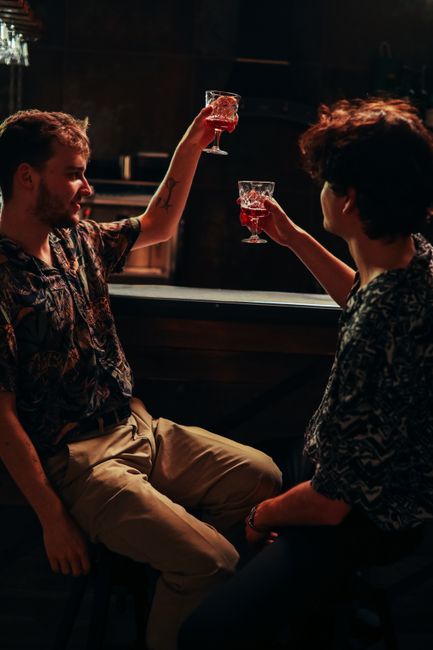
The lights at The Rose & Thorn in Hackney Wick pulsed low and amber last Saturday, catching on sequined jackets and the rims of gin glasses sweating onto reclaimed wood tables. A saxophone player leaned into a cover of an old Sade track while the crowd moved in loose clusters, so
nightlife
The lights at The Rose & Thorn in Hackney Wick pulsed low and amber last Saturday, catching on sequined jackets and the rims of gin glasses sweating onto reclaimed wood tables. A saxophone player leaned into a cover of an old Sade track while the crowd moved in loose clusters, so
L
Lily Greenwood
Jun 7, 2026 · 6 min read
Share
X / Twitter
Facebook
Instagram
Threads
Reddit
LinkedIn
Copy Link
Email
The lights at The Rose & Thorn in Hackney Wick pulsed low and amber last Saturday, catching on sequined jackets and the rims of gin glasses sweating onto reclaimed wood tables. A saxophone player leaned into a cover of an old Sade track while the crowd moved in loose clusters, some dancing, others trading stories over plates of jerk plantain. The new spot, open only six weeks, already draws a mix of East London locals and those who have driven in from further out, all chasing the same thing: a room that feels like it was built for them without apology. What makes these openings matter runs deeper than another night out. London’s queer scene has long served as a pressure valve for people pushed to the edges by housing costs, workplace silence, and the slow creep of laws that still treat difference as optional. When a new bar appears with visible trans staff and a door policy that does not wink at harassment, it creates space where people can test out versions of themselves that daytime life often clips short. That matters for the teenager from Croydon who arrives alone, for the couple negotiating an open relationship, and for the older regulars who remember when every venue felt like it could vanish overnight. The stakes are not abstract; they show up in the way someone stands taller after an evening where no one asked them to explain their pronouns or their history. The Rose & Thorn sits two streets back from the canal, its front painted a deep plum that reads almost black after dusk. Owner Lena Patel, who spent years running sound at smaller clubs in Dalston, designed the layout so the bar itself forms a wide U, forcing strangers to stand shoulder to shoulder without feeling trapped. On a recent Thursday she hosted an open-mic night that pulled in a poet from Brixton and a drag king doing impressions of 1980s newscasters. Patel stood at the end of the bar afterward, counting tips and talking about the £4.50 pints she keeps on offer until 10 p.m. to undercut the West End prices. “People come for the first time because they heard the music was good,” she said. “They come back because nobody side-eyed them when they ordered a round for their ex and their new partner in the same sentence.” Yet the shine is not uniform. While newer rooms court younger crowds with themed nights and social-media reach, several long-running spots in Soho report thinner midweek numbers and higher rents that force them to book corporate private hires just to cover the month. The contrast shows up most clearly on a Tuesday when The Rose & Thorn is still half full at midnight but the older bar two stops away on the Central line has already locked its doors at eleven. Some regulars argue the newer venues trade depth for volume, offering polished playlists instead of the raw, sometimes messy energy that once defined late nights in Vauxhall. Others point out that the polished rooms are the only ones that can afford the security detail required after recent incidents of street harassment near closing time. The result is a scene that feels both more visible and more segmented than it did five years ago. Start with the Thursday open-mic at The Rose & Thorn if you want to test the temperature without committing to a full weekend. Arrive before nine to catch the cheaper pints and the early sets; the canal path from Hackney Central station takes twelve minutes on foot and is well lit. If you prefer something with more dancing, check the calendar at Velvet Orchid in Shoreditch for their monthly live-band night that starts at ten and runs until the licensing allows. Follow Patel on the venue’s Instagram for last-minute guest-list drops, and keep an eye on the listings board at the bar itself where handwritten flyers for smaller parties often appear before they hit the apps. Bring cash for the tip jar if the music lands with you. Some nights the room empties slowly, one conversation trailing another until the lights come up and the saxophone case clicks shut. Outside, the street still smells of rain on warm pavement, and the last taxis idle at the corner while people decide whether the evening is finished or simply moving elsewhere.
The next stop is Velvet Orchid in Shoreditch, a venue that has been a fixture for over two decades but now finds itself squeezed by newer, trendier spots. On a recent Saturday night, the bar was bustling with energy as patrons swayed to live bands playing everything from jazz to indie rock. The owner, Sam Patel (no relation to Lena), leaned against the bar, sipping a glass of wine while chatting with a group of regulars. "We've seen our numbers drop over the years," he said, gesturing toward the crowd. "But people still trust us for that raw, late-night vibe. It’s not about the music; it's about what the place feels like after hours." Outside Velvet Orchid, the streets were alive with the chatter of people spilling out onto the pavement, their laughter mingling with the sounds of nearby clubs. A group of friends from Brixton paused for a moment to exchange stories and plans before heading home. For them, these venues were more than just nightlife; they were safe havens where they could express themselves without judgment. As the night wore on, the room at Velvet Orchid thinned out, but the atmosphere remained electric. The saxophone player from The Rose & Thorn showed up to jam with a local jazz ensemble, adding an unexpected twist to the evening's musical offerings. The bar was more than just a space for dancing and drinking; it was a microcosm of London’s queer community, where people from all walks of life could come together to be who they were without fear. The contrast between the old and new venues is stark but not necessarily negative. Each plays its part in keeping the city's nightlife vibrant and diverse. While The Rose & Thorn attracts those seeking a modern, inclusive experience, Velvet Orchid offers a more traditional, community-focused setting. Both are vital pieces of London’s cultural fabric, each contributing to the richness of what makes the city unique. As the night concluded, the last patrons left, and the bar staff began cleaning up. Lena from The Rose & Thorn stood by her door, watching as the rain-soaked streets slowly came alive again. She smiled, knowing that tomorrow was another day with new faces and new stories waiting to be told in a space designed for them.
About the Author
L
Lily Greenwood
Staff writer at ThePinkPulse — covering LGBTQ+ news, culture, and community stories.