Midtown's Still the Move: A Local's Guide to Atlanta
Atlanta's LGBTQ epicenter isn't a secret anymore, but there's still plenty worth knowing before you land. Here's what actually matters when you're planning a trip to Midtown.
Travel
Atlanta's LGBTQ epicenter isn't a secret anymore, but there's still plenty worth knowing before you land. Here's what actually matters when you're planning a trip to Midtown.
#Atlanta#Midtown#LGBTQ travel#local guide
R
Ryan Salazar
Apr 24, 2026 · 4 min read
Share
X / Twitter
Facebook
Instagram
Threads
Reddit
LinkedIn
Copy Link
Email
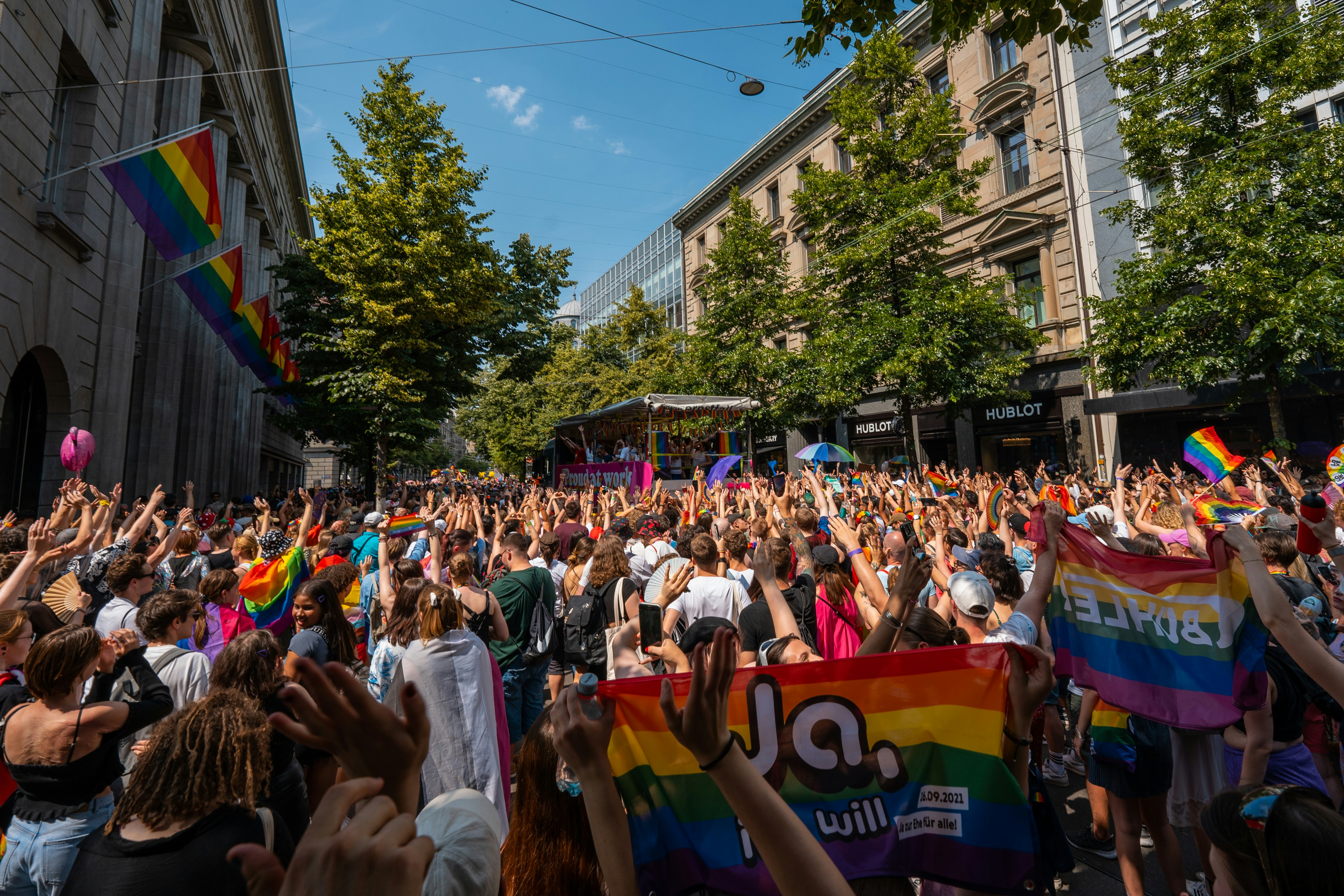
The rainbow flags on Peachtree Street aren't going anywhere, and neither are the crowds. Midtown remains Atlanta's undisputed LGBTQ nerve center—the place where most visitors will spend their time, where the bars cluster like grapes, where the foot traffic on weekends turns the neighborhood into an open-air party. But knowing where to go and knowing where to *actually* go are two different things, especially in a neighborhood that's been gentrifying faster than anyone can keep track of.
Start with the obvious: Midtown is bounded by Ponce de Leon to the south and roughly the connector to the north, with Peachtree Street running straight through like an artery. On any given Friday night, the sidewalks pulse with people moving between venues, sizing each other up, deciding where the energy is better. The neighborhood has a particular rhythm that changes by the hour. Late afternoon is brunch and shopping. Midnight is peak debauchery. Sunday is recovery and reflection.
Here's what matters: First, abandon the idea that you need to hit every bar. A lot of visitors show up with a list they pulled from somewhere online, determined to check boxes. That's exhausting and expensive. Instead, pick one or two spots and actually *settle in*. Talk to people. Watch the show. The neighborhood reveals itself to people who stay put long enough to watch it happen, not to those rushing from venue to venue like they're collecting stamps in a passport.
Second, come during the week if you can. This sounds counterintuitive, but it's the insider move. Weekends bring out-of-towners and suburban transplants, sure, but they also bring aggressive pricing, watered-down drinks, and a particular kind of performative energy that can feel exhausting. Wednesday or Thursday night in Midtown has a different texture—people are there because they actually want to be, not because the calendar told them to. The bartenders have time to chat. The crowd has real regulars mixed in with tourists. You'll meet actual Atlantans instead of just other visitors.
Third, eat something substantial before you drink. This is practical advice, but it's also a philosophy. Midtown's food options range from the legitimately good to the aggressively mediocre, and a lot of bars lean heavily on the latter. There's a Cuban spot in the area that does solid food at reasonable prices—the kind of place where you can sit down, actually eat, and not feel like you're being fleeced. Find a restaurant you like and go back to it. Don't rely on late-night drunk food as your primary sustenance strategy.
Now, the insider tip that actually matters: Don't sleep on the side streets. While outlets like The Advocate cover national LGBTQ travel trends, the real Atlanta story is off Peachtree itself. Walk down Juniper Street. Check out what's happening on the blocks that don't make the official lists. Some of the most interesting spaces in Midtown aren't the flashiest ones. They're the places where you'll find actual community—small bars, quieter corners, spots where people have been going for years. These places aren't trying to be Instagram-famous. They're just trying to exist and serve the people who show up.
The neighborhood has changed a lot in the past five years. Some longtime spots have closed. New money has moved in. Rents have climbed. But Atlanta's LGBTQ scene isn't fragile the way some cities' are. It's got depth. It's got history. Midtown isn't going anywhere, and neither is the community that built it.
One more thing: be respectful of the neighborhood itself. Midtown has residents who aren't there for the party. There are families, older folks, people who just want to live their lives without a parade of drunk people blocking the sidewalk at 2 a.m. The LGBTQ community fought for the right to exist openly in this neighborhood. That means actually existing here responsibly, not just treating it like a theme park.
The bars will be there. The music will be loud. The crowd will be beautiful and messy and complicated. That's Midtown. That's Atlanta. The point of coming here isn't to consume the experience as quickly as possible. It's to actually be in a place where you can be yourself, where thousands of other people are doing the same thing, where that's just the baseline assumption. That's what makes it worth the trip.
Come on a weekday. Eat real food. Pick a spot and stay awhile. Walk the side streets. Talk to strangers. Watch how the neighborhood actually works when it's not performing for out-of-towners. That's when Midtown stops being a destination and starts being a place you actually understand.
Tags:#Atlanta#Midtown#LGBTQ travel#local guide
About the Author
R
Ryan Salazar
Staff writer at ThePinkPulse — covering LGBTQ+ news, culture, and community stories.