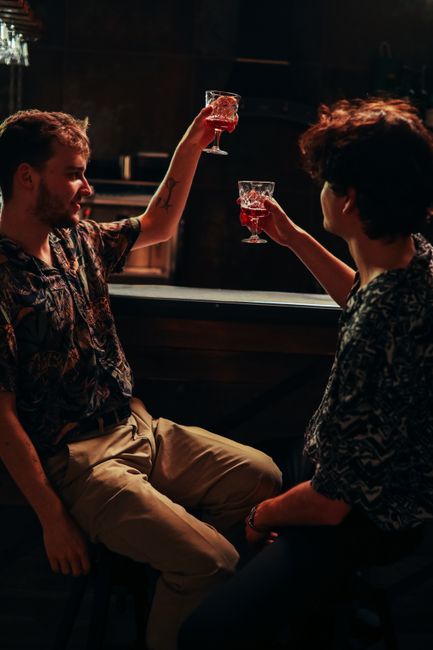
milan's queer nightlife shines bright with underground parties and drag takeovers
The neon lights of Via Sant’Orso flicker to life as the sun sets over Milan’s nightlife district. The air is thick with anticipation—every beat drops like a punchline, and every entrance feels like a declaration. Tonight, queer energy pulses through the veins of La Fata, an under
nightlife
The neon lights of Via Sant’Orso flicker to life as the sun sets over Milan’s nightlife district. The air is thick with anticipation—every beat drops like a punchline, and every entrance feels like a declaration. Tonight, queer energy pulses through the veins of La Fata, an under
A
Aisha Ramos
Jun 5, 2026 · 5 min read
Share
X / Twitter
Facebook
Instagram
Threads
Reddit
LinkedIn
Copy Link
Email
The neon lights of Via Sant’Orso flicker to life as the sun sets over Milan’s nightlife district. The air is thick with anticipation—every beat drops like a punchline, and every entrance feels like a declaration. Tonight, queer energy pulses through the veins of La Fata, an underground club in the heart of the city. Why this matters: In a place where conformity often reigns supreme, Milan’s queer nightlife stands as a defiant beacon. These spaces aren’t just about having fun; they’re about reclaiming one’s identity and celebrating difference. When you step into La Fata, you enter a world where every face tells a story of self-discovery and resilience. This isn't just a night out—it's a cultural statement. At the entrance to La Fata, DJ Mira takes the stage. With her vibrant energy, she cuts through the crowd like a laser beam, setting the tone for what’s to come. "Tonight," she yells over the thumping bass, "we’re turning this club into a celebration of our queerness!" The response is electric. People link arms and spin in a circle, their movements synchronized yet unique—each a testament to the diversity within us all. But queer nightlife isn’t just about the party; it’s also about pushing boundaries and sparking conversations that challenge societal norms. Just down Via San Vittore, there's another scene unfolding at the Drag Bar on Corso Buenos Aires. Here, performers like Drag Queen Bianca are taking over, not just entertaining but also advocating for equality. "Tonight," Bianca declares with a flourish, "we’re showing the world that queer is powerful and beautiful." Her words resonate as she leads patrons in a call-and-response chant about acceptance. The contrast between these two venues brings to light both the vibrancy of queer nightlife and its challenges. While La Fata thrives on inclusivity and dance, Drag Bar faces issues with visibility and funding. Despite being a hub for local LGBTQ+ youth, it struggles to secure long-term space due to discriminatory zoning laws. This struggle isn’t just about physical locations but also about the broader cultural acceptance of queer identities. As the night wears on, the energy at La Fata doesn't wane; instead, it amplifies. The music blares louder, and the crowd swells with more bodies, each one a reflection of Milan’s diverse queer community. But even as we revel in this space, we must acknowledge that these venues are often precarious. Queer nightlife is essential for representation and community building but faces constant threats of gentrification and closure. So, what can you do? Start by supporting local LGBTQ+ bars and clubs like La Fata. Attend events hosted by organizations fighting for queer rights, such as the upcoming Drag Bar fundraiser on the 15th at 8 PM. Follow hashtags like #MilanQueerNightlife or #LGBTQplusMilan to stay informed about community news and events. Every small step counts in keeping these vibrant spaces alive. In this city of contrasts—where luxury meets struggle, fashion meets function—Milan’s queer nightlife shines as a symbol of resilience and celebration. As the night winds down, the last dance is a promise that tomorrow will bring more light to this underground world.
Amidst the pulsating beats and swirling lights of La Fata, an unexpected moment of intimacy breaks through the crowd. Two young men, Alex and Marco, share a slow dance under the neon stars, their hands gently cradling each other’s waists. For a brief moment, they are simply two hearts beating in sync, free from the pressures of societal judgment. Nearby, a group of elderly women perform an impromptu square dance to a song by Nina Simone, their laughter and joy infectious. Their energy resonates with a timeless queer resilience that has stood through generations. As midnight approaches, La Fata’s management announces a special performance: a live stream from New York City’s legendary Stonewall Inn. The club fills with anticipation as the connection is established, and patrons join in the virtual dance party alongside those across the ocean. The intersection of local and global queer culture is palpable, reminding everyone that this vibrant scene is part of something much larger. The night begins to wane, and La Fata starts to wind down. As people filter out into the cool night air, the club’s resident visual artist, Luca, begins setting up for a collaborative mural on Via Sant’Orso. The walls are adorned with messages of love and resistance written in various languages—testaments to the multilingual nature of queer identity in Milan. Luca works alongside a group of local artists and community members, each contributing a piece that reflects their personal experiences or wishes for the future. By dawn, the mural stands as a striking symbol of the night’s celebration. Down Via San Vittore, Drag Bar remains open, hosting its morning café hour. Regulars pour in to catch up over coffee and pastries, their conversations veering from politics to personal triumphs. Today, there’s an extra sense of purpose as several patrons share stories about the impact of the Drag Bar’s recent fundraising efforts. The funds have helped a local LGBTQ+ youth center buy essential supplies and hold workshops on mental health. For many, this moment underscores the real-world importance of these nightclubs beyond just being places to party. As the sun rises, casting a golden glow over Milan, the promise of another day filled with queer vitality and resilience shines through. The neon signs of Via Sant’Orso flicker like dreams, marking the beginning of yet another chapter in this vibrant cultural movement. In the heart of Milan’s nightlife district, these spaces continue to thrive as beacons of acceptance, community, and celebration—proof that even in a city where conformity can seem all-encompassing, queer voices will not be silenced.
About the Author
A
Aisha Ramos
Staff writer at ThePinkPulse — covering LGBTQ+ news, culture, and community stories.