nashville's underground queer nightlife scene thriving despite challenges
In the dimly lit corner of the Lower Broadway district, a hush falls over the crowd as the last notes of an indie band fade into the night air. The lights flicker to life above, casting an array of neon hues across the faces gathered at Café Luna, a small, intimate space hidden a
nightlife
In the dimly lit corner of the Lower Broadway district, a hush falls over the crowd as the last notes of an indie band fade into the night air. The lights flicker to life above, casting an array of neon hues across the faces gathered at Café Luna, a small, intimate space hidden a
J
Jordan Garcia
Jun 6, 2026 · 5 min read
Share
X / Twitter
Facebook
Instagram
Threads
Reddit
LinkedIn
Copy Link
Email
In the dimly lit corner of the Lower Broadway district, a hush falls over the crowd as the last notes of an indie band fade into the night air. The lights flicker to life above, casting an array of neon hues across the faces gathered at Café Luna, a small, intimate space hidden away from the bustling streets above. Inside, the atmosphere is electric; the mix of leather jackets and sequined shirts, combined with the rich scent of aged wood and freshly brewed coffee, creates a sensory cocktail that is both welcoming and slightly intimidating. Why this matters: Nashville has long been known as a city where musicians dream of making it big, but for many LGBTQ+ individuals in the community, Café Luna represents more than just another spot on the nightlife circuit. It's a sanctuary where identities are celebrated without judgment, where folks can dance freely without fear of backlash or misunderstanding. In a town where straight, cisgender norms often dominate, these underground spaces serve as vital touchstones—safe havens that keep the queer spirit alive and thriving. The heart of this scene beats in a small alley off 12th Avenue South, near the historic Printer’s Alley. Here, Café Luna has been a cornerstone for over two decades, hosting weekly drag nights and open mic events. Last Thursday, the event was particularly special. Jordan, one of the café's regulars, took to the stage with a fierce performance that had the audience roaring in approval. "This place is more than just a venue; it’s a community," Jordan said after her set. "Every time I step into Café Luna, I feel seen and heard." However, beneath this vibrant surface lies a reality that challenges the very existence of these spaces. The city's rapidly rising real estate costs are putting pressure on small businesses like Café Luna to raise prices or close their doors entirely. Many have already succumbed to gentrification’s relentless advance, leaving fewer options for LGBTQ+ patrons seeking refuge from the mainstream. In contrast, a block away, the more established venues like Nashville Pride Nightclub continue to operate with robust security measures and high cover charges. For many, these spaces feel unwelcoming or unattainable, especially given the financial strain on individuals in the community. "It’s a catch-22," explains Alex, who works part-time at Café Luna while balancing a full-time job elsewhere. "We need to stay open for our core community, but we can’t afford not to raise prices." This tension between affordability and accessibility is emblematic of broader issues facing LGBTQ+ nightlife in Nashville and beyond. As gentrification spreads, it threatens the unique character of these underground scenes—places that have historically played a critical role in fostering queer identity and expression. For those looking to support this vital community, there are several steps you can take. First, consider becoming a regular at Café Luna or other similar venues, spreading the word about their importance, and supporting them through donations if possible. Second, follow organizations like Nashville Queer Nightlife Alliance on social media for updates on events and advocacy efforts. Together, we can ensure that these spaces remain not just places to party but also critical nodes in our community's fabric. In Café Luna’s dimly lit corner, the music continues, a reminder of resilience and the enduring power of queer culture against all odds.
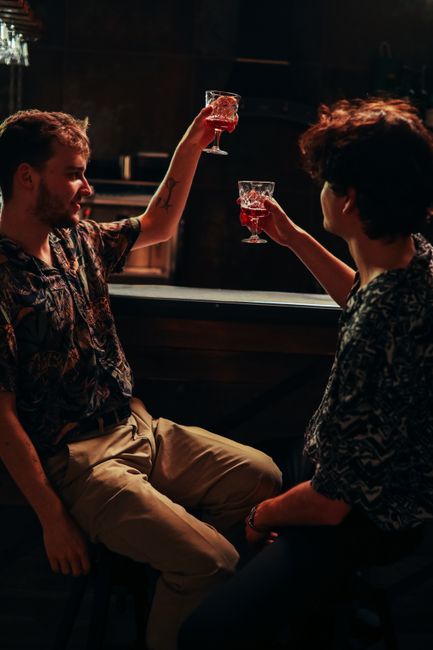
A few doors down from Café Luna, in an equally quaint and unassuming space, is another sanctuary for LGBTQ+ individuals: The Glasshouse. This cozy bar offers a similar atmosphere of inclusivity, with regular poetry nights and film screenings that celebrate queer stories. On this particular Thursday night, the bar was buzzing as patrons perused local art pieces displayed on the walls. Among them, a framed photograph caught Jordan's eye—a candid shot of a group of friends from Café Luna at last year’s Pride Parade. The image was a reminder of the broader community and the support they provided one another. Alex, who has become increasingly involved in the local nightlife scene, noticed Jordan lingering by the display. "Hey, you look like you're reminiscing," Alex said, pouring them both a shot of their favorite whiskey blend. As they clinked glasses, Jordan shared stories about the night at Café Luna, her voice filled with emotion. "It's places like this that make me feel like I belong. But it’s also hard to see these spaces disappear due to rising costs." Alex nodded in agreement. "You know, The Glasshouse is hosting a special event next week. They’re planning an open mic night for drag performers and spoken word artists from across the city. It could be a real boost for local talent, especially those who might not have the resources to perform elsewhere." The mention of the upcoming event sparked excitement in Jordan’s eyes. "That sounds amazing! I’m going to make sure everyone I know knows about it too. Maybe even try my hand at an open mic sometime—never thought I would, but who knows?" As they finished their drinks and parted ways, the night outside had turned colder, but inside The Glasshouse, the warmth of community continued to thrive. Outside the walls of both these spaces, the real estate market continued its relentless push, with more and more small venues being forced out by rising costs or gentrification. Yet within them, a sense of belonging and connection persisted, providing essential support for LGBTQ+ individuals their identities in Nashville. The city's nightlife scene was not just about parties or performances; it was about resilience and unity. Each venue represented a piece of the larger puzzle that kept the queer community alive and thriving, even amidst the challenges posed by urban development. As Jordan stepped out into the night, she couldn’t help but feel grateful for these sanctuaries and hopeful for their future.
About the Author
J
Jordan Garcia
Staff writer at ThePinkPulse — covering LGBTQ+ news, culture, and community stories.