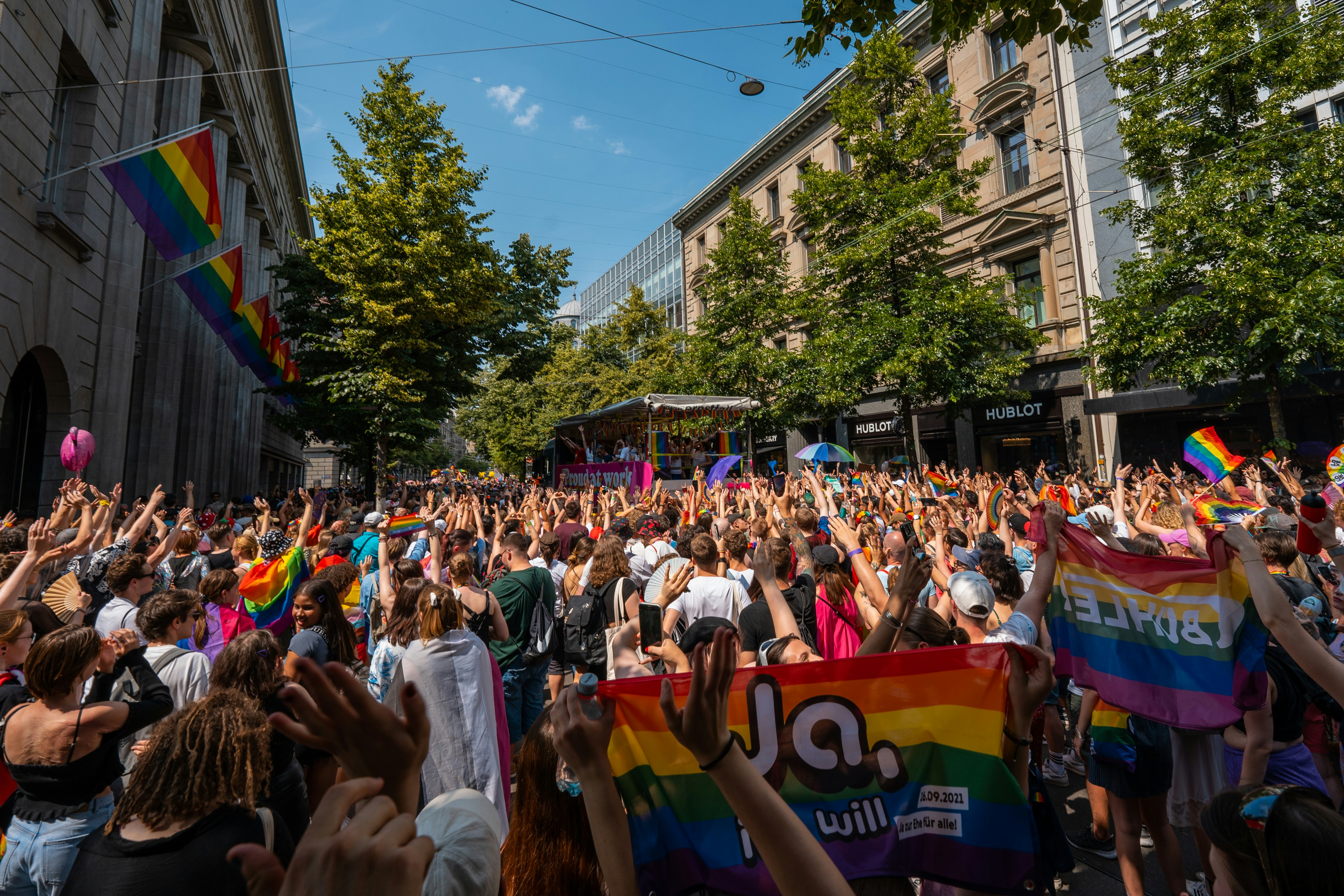
The block between Church and Spruce on Wilton Drive isn't pretending to be something it isn't. It's where queer Nashville actually lives, works, and argues about everything from drag to development.
Nightlife
The block between Church and Spruce on Wilton Drive isn't pretending to be something it isn't. It's where queer Nashville actually lives, works, and argues about everything from drag to development.
#Nashville#LGBTQ nightlife#Wilton Drive#gay bars#local scene
E
Ethan Harris
Jun 6, 2026 · 4 min read
Share
X / Twitter
Facebook
Instagram
Threads
Reddit
LinkedIn
Copy Link
Email
On a Friday night, Wilton Drive between Church and Spruce looks like what happens when a neighborhood stops performing for tourists and starts living for itself. The sidewalks are crowded but not packed, the bars are loud but not aggressively so, and the people walking between venues know each other well enough to call out greetings but not well enough to stop and chat for twenty minutes. This is the closest thing Nashville has to a gay quarter—not because anyone designed it that way, but because over decades, queer businesses and residents simply chose to cluster here, and the city eventually caught up.
The thing about this particular stretch is that it refuses the kind of sanitized, Instagram-ready presentation that defines so much of Nashville's downtown. There are no rainbow flags hung at geometric angles by marketing consultants. There are no "heritage" plaques explaining the history of gay nightlife. There's just a neighborhood where gay people have built their lives, and the infrastructure followed.
For someone visiting Nashville or new to the area, understanding this block means understanding how the city's LGBTQ community actually operates. It's not a theme park. It's not a destination you hit between bachelorette parties and hot chicken stands. It's where gay Nashville handles its business, celebrates, mourns, and argues about what comes next as development pressures mount and rents climb.
The first concrete recommendation: spend an evening at Tradewinds, the leather bar that's been operating in this neighborhood since 1974. The bar doesn't cater to first-timers or people looking for a "scene." It's a working bar for a specific community within the community, which makes it the most honest space on the block. The crowd is older, the music is chosen by people who actually know what they're doing, and there's zero tolerance for the kind of performative behavior that defines newer gay nightlife in other cities. Walk in on a Friday and you'll understand something crucial about Nashville's gay culture: it's built by people who stayed, not people passing through.
Second recommendation: grab dinner at a Cuban spot in the area before heading out. The neighborhood doesn't have a single iconic gay restaurant—which is actually interesting, because it means people eat where they want rather than where gay tourists are supposed to eat. Find whatever's open, sit down, and listen to the conversations around you. This is where you'll learn what's actually happening politically in Nashville's queer spaces, what the real tensions are, and why certain people aren't speaking to other certain people.
Third recommendation: if you're there on a weekend, catch a show at a drag venue on the strip. But go early, before the bachelorette parties arrive. Watch the local queens perform for an audience that knows them, has seen their growth, and isn't there to experience "drag" as a novelty. The difference between watching drag in Nashville versus watching it in a city where it's been commodified is the difference between watching someone's art and watching someone's job.
The insider tip: the real power in this neighborhood isn't at the bars. It's in the nonprofit organizations, community centers, and advocacy groups that operate out of offices you'll never notice unless someone points them out. This is where Nashville's queer infrastructure actually lives—the organizations that handle HIV services, legal advocacy, youth outreach, and political organizing. The bars are the social layer, but the organizations are the nervous system. If you want to understand what Nashville's LGBTQ community is actually working on, ask a bartender where the offices are.
What makes this block different from similar spaces in other cities is its resistance to gentrification mythology. There's no narrative here about "reclaiming" or "revitalizing" a neighborhood. Gay people didn't discover Wilton Drive and make it fabulous. They moved here because it was affordable and nobody else wanted it, then they built something that worked. Now that Nashville is expensive and everyone wants it, that original logic no longer applies to new arrivals, which creates genuine tension between longtime residents and newcomers.
Walk this stretch and you'll see evidence of that tension everywhere. There are long-established bars next to new cocktail lounges. There are old apartment buildings where people have lived for decades next to new construction marketing itself to young professionals. There are business owners who've been here since the '90s watching their rent triple. There are younger queer people who can't afford to live in the neighborhood where they want to be.
This is what makes the block worth visiting: it's not a postcard. It's a real neighborhood with real problems, real people, and real history. The bars are good because the people running them know their customers and don't need to perform. The food is good because people eat where they want. The community is strong because it was built by necessity, not marketing.
If Nashville's LGBTQ scene feels different from other cities—less polished, less corporate, more argumentative, more genuinely social—this block is why. It's the physical manifestation of a community that chose function over fashion and stayed long enough to actually build something. That's not going to look as good in a social media post as some other neighborhoods in other cities, but it's significantly more real.
Come on a Friday night and stay until midnight. Talk to people. Ignore the tourists. Watch how the neighborhood actually works when the people who live there are the ones in charge.
Tags:#Nashville#LGBTQ nightlife#Wilton Drive#gay bars#local scene
About the Author
E
Ethan Harris
Staff writer at ThePinkPulse — covering LGBTQ+ news, culture, and community stories.