New Orleans Pride Foundation Keeps the Movement Moving
While national LGBTQ outlets cover politics from Washington, the New Orleans Pride Foundation is doing the unglamorous work of keeping queer New Orleans alive year-round. Here's how a small team manages to fund dozens of organizations, support trans residents, and plan the city's biggest annual gathering—all on a shoestring budget.
Community
While national LGBTQ outlets cover politics from Washington, the New Orleans Pride Foundation is doing the unglamorous work of keeping queer New Orleans alive year-round. Here's how a small team manages to fund dozens of organizations, support trans residents, and plan the city's biggest annual gathering—all on a shoestring budget.
#New Orleans Pride Foundation#LGBTQ nonprofits#community support#trans resources#local organizing
W
Winston Chen
Apr 7, 2026 · 4 min read
Share
X / Twitter
Facebook
Instagram
Threads
Reddit
LinkedIn
Copy Link
Email
Every March, the New Orleans Pride Foundation's office gets busier. The phones ring more. The emails multiply. By June, when the foundation's flagship Pride Festival draws tens of thousands to the festival grounds in the French Quarter, the staff is running on caffeine and conviction. But the real work—the work that actually matters to queer New Orleanians—happens in the quiet months between festivals, when nobody's watching and the cameras aren't rolling.
The foundation exists because Pride in New Orleans isn't a corporate sponsorship opportunity or a weekend getaway destination. It's an annual moment when the city's LGBTQ residents, many of them struggling, many of them isolated, get to see themselves reflected back in the streets they walk every day. The foundation's job is to make sure that moment keeps happening, and more importantly, to make sure the community survives the other eleven months of the year.
Founded in 1995, the New Orleans Pride Foundation operates as a 501(c)(3) nonprofit that funds LGBTQ organizations across the city, manages the annual Pride Festival, and provides direct support to queer residents in crisis. The numbers are modest by national standards—the foundation works with a fraction of the budget that larger metropolitan pride organizations command—but the impact is concentrated and urgent. In a city where housing instability, addiction, and poverty disproportionately affect LGBTQ people, the foundation's grants have become a lifeline for smaller organizations that don't have access to wealthy donors or corporate partnerships.
The foundation currently distributes grants to organizations serving queer youth, trans residents, people living with HIV, and LGBTQ seniors. One of its most critical programs supports trans and nonbinary people navigating healthcare, legal documentation, and housing. In Louisiana, where healthcare access is already limited and trans-related care can be hard to find, the foundation's support has enabled organizations to offer free legal name changes, hormone therapy referrals, and housing assistance. For many trans New Orleanians, these services aren't luxuries—they're the difference between stability and homelessness.
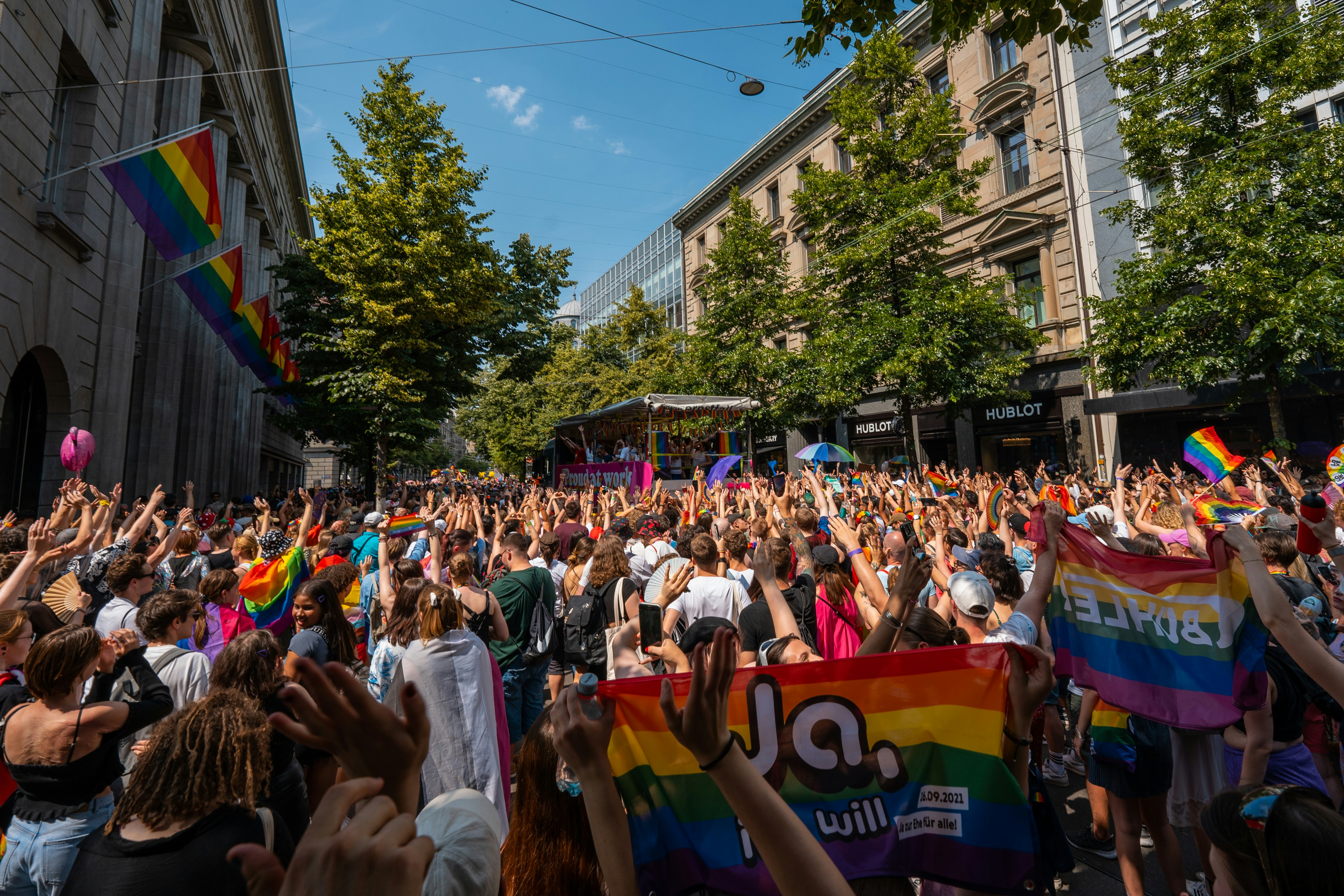
The foundation also runs the annual Pride Festival itself, which has grown into the largest gathering of LGBTQ people in the state. The festival brings music, performance, political speeches, and vendor booths to the French Quarter for a weekend in June. It's chaotic and commercial and messy and necessary. Drag queens perform on stages. Political candidates court the queer vote. Local restaurants and bars set up booths. Families walk through with kids. The festival is never going to be pure or radical—it's too big, too public, too entangled with the city's tourism economy. But it's also real. It's not a performance for outsiders. It's a gathering of people who actually live here, who actually have to navigate housing discrimination and healthcare gaps and workplace harassment in this specific city.
While outlets like The Advocate have covered Pride from a national angle, focusing on the biggest festivals in the biggest cities, the real story is happening in New Orleans where a tiny nonprofit is keeping an entire community's infrastructure from collapsing. The foundation's staff is lean. The budget is tight. The work is endless.
That work includes the foundation's youth programs, which serve LGBTQ teens in a state where conversion therapy isn't explicitly banned and school environments can range from tolerant to actively hostile. The foundation's support has enabled organizations to run drop-in centers, provide mental health support, and offer job training for queer young people who might otherwise face unemployment or family rejection. In Louisiana, where youth homelessness rates are higher than the national average and LGBTQ youth face even steeper risks, these programs are survival infrastructure.
The foundation also maintains relationships with the city's bars, restaurants, and nightlife venues that have historically provided community gathering spaces for queer New Orleanians. These aren't abstract concepts—they're the actual places where people meet, where relationships form, where community happens. The foundation's work includes supporting these venues and the business owners who operate them, recognizing that commercial spaces have always been where queer people gathered when nowhere else was available.
There's also the complicated reality of running Pride in a city where many queer residents are poor, where many are people of color, and where gentrification is constantly threatening to price out the communities that made the city's queer culture possible in the first place. The foundation has to navigate questions about who gets included in Pride, who gets to profit from it, and how to keep the festival accessible to the people it theoretically exists to serve. These aren't questions with clean answers. The foundation wrestles with them every year.
The foundation's staff includes people who've been doing this work for decades, people who've watched the city transform through the AIDS crisis, through Katrina, through waves of gentrification and tourism boom. They're not trying to create a brand or build a national reputation. They're trying to keep the lights on for the organizations that actually serve queer New Orleanians, and to make sure that once a year, the city acknowledges the people who live here.
That's the work. Not the Instagram photos from Pride. Not the national headlines. The quiet, persistent, underfunded work of keeping a community alive in a city that has always been complicated about who belongs and who doesn't. The New Orleans Pride Foundation doesn't have a slick marketing campaign or a viral moment. It has a mission and a community that depends on it staying focused on what actually matters.
Tags:#New Orleans Pride Foundation#LGBTQ nonprofits#community support#trans resources#local organizing
About the Author
W
Winston Chen
Staff writer at ThePinkPulse — covering LGBTQ+ news, culture, and community stories.