fire island beaches in new york offer queer couples rare privacy for intimacy
the sand still holds the day's warmth under bare feet as the last ferry lights fade against the horizon. waves roll in with a steady hush, their foam catching the pink of a sky that's already giving way to dusk. couples move in pairs along the edge of the water, towels spread in
relationships
the sand still holds the day's warmth under bare feet as the last ferry lights fade against the horizon. waves roll in with a steady hush, their foam catching the pink of a sky that's already giving way to dusk. couples move in pairs along the edge of the water, towels spread in
M
Mia Greenwood
Jul 9, 2026 · 4 min read
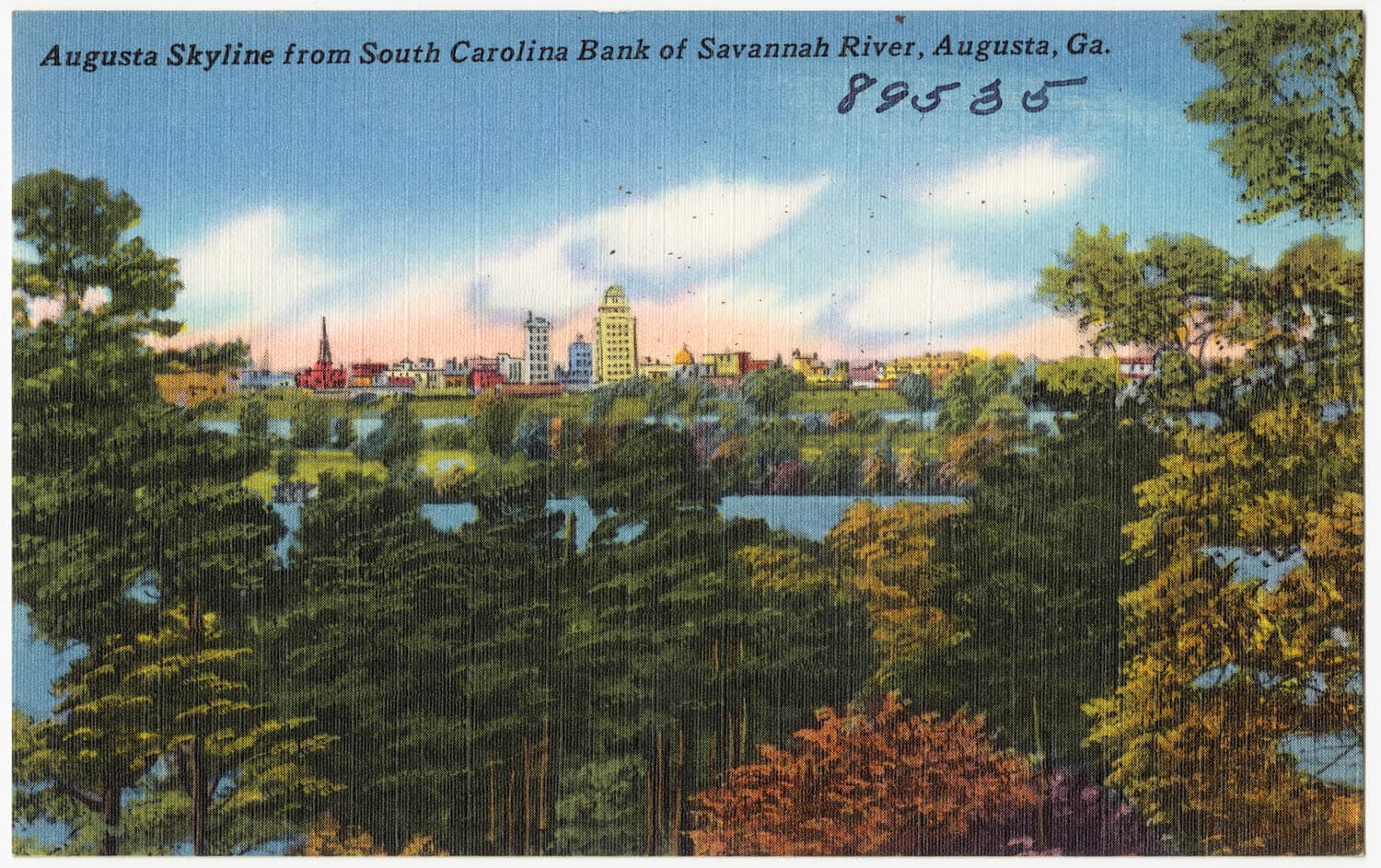
the sand still holds the day's warmth under bare feet as the last ferry lights fade against the horizon. waves roll in with a steady hush, their foam catching the pink of a sky that's already giving way to dusk. couples move in pairs along the edge of the water, towels spread in the lee of low dunes where scrub pine offers a screen from the boardwalk path. one pair lingers near a driftwood log, hands linked loosely, the space between them narrowing only when the beach empties further. salt air mixes with the faint scent of sunscreen and distant bonfire smoke, while gulls wheel overhead without much interest in the ground below. the light thins quickly once the sun drops, turning the ocean surface into a dark mirror that reflects nothing but the empty stretch ahead. privacy like this feels earned on fire island, where the barrier beach itself creates natural pockets away from the denser crowds of manhattan or even the ferry terminals back on the mainland. advocates argue that queer couples still face scrutiny in many public settings, from parks in brooklyn to cafes in the east village, and the need for moments without an audience carries real weight after years of visibility campaigns that sometimes left little room for retreat. personal stakes show up in quiet choices, like deciding whether to hold hands on a subway or wait until reaching a place where the rules feel softer. recent reporting suggests many still weigh the risk of unwanted attention, especially when intimacy means more than just proximity. for those who grew up family expectations or workplace assumptions, a stretch of shoreline that asks little in return offers a reset that city blocks rarely provide. the political layer sits underneath too, with access to these shores tied to ferry schedules and seasonal economics that favor those already comfortable traveling in pairs. cherry grove sits on the eastern side of the island, its wooden walkways leading straight to the oceanfront where the pines community picks up a few miles west. jordan, a regular who splits time between the two areas, described one afternoon when the tide had pulled back enough to leave a wide shelf of packed sand. "you can set up just beyond the first dune ridge and hear only the water," they said, noting how the wind carries voices away before they reach the next group. the spot draws people who want the same low-key setup, towels angled toward the surf rather than the path, and conversations that stay between the two people sharing the blanket. jordan mentioned seeing the same faces on weekday visits, folks who time their trips to avoid weekend boat arrivals that swell the population for a few hours. the rhythm there favors early evenings, when the light softens and the boardwalk empties enough for a short walk without crossing paths with day-trippers still sorting their bags. yet the same geography that creates those pockets also limits them once summer peaks or storms shift the sand. the western end near the lighthouse draws more mixed groups, including families who arrive via different routes and stake out space closer to the ferry drop-off. a sudden wind can flatten the dunes that once gave cover, pushing everyone toward the same narrow strip of beach. one visitor recalled a day when fog rolled in thick enough to muffle sound but not enough to hide movement, turning the usual separation into accidental closeness with strangers. access itself complicates the picture, since reaching the quieter stretches requires planning around ferry runs that fill fast on clear weekends and leave little margin for last-minute changes. the privacy on offer works best for those who already know the tides and the local patterns, while newcomers can find themselves clustered with everyone else near the main access points. planning starts with the ferry from sayville on the south shore, which drops riders at the grove or the pines depending on the route chosen. once on the island, stick to the ocean side paths rather than the bay side for fewer eyes, and aim for midweek arrivals when the crowds thin after the lunch ferry. local queer networks in manhattan sometimes share informal updates on conditions through word of mouth at spots like the monster in greenwich village or events hosted by groups that organize island meetups. following the seasonal shifts matters more than any single map, since the beach itself changes with each nor'easter and the best stretches move accordingly. checking in with people who split time between the city and the island gives a clearer sense of which days reward the trip and which ones send visitors back to the boardwalk earlier than planned. the horizon stays empty long after the last couple packs up, the only markers left behind a line of footprints that the next tide will smooth away.
Share:
About the Author
M
Mia Greenwood
Staff writer at ThePinkPulse — covering LGBTQ+ news, culture, and community stories.