The night air in the Movie Colony district carries the faint tang of creosote and citrus from backyard trees as a line of people spills from the unmarked side door of the Saguaro Social Club. Inside, a low stage holds a lone keyboard player whose slow cover of a 90s house track g
nightlife
The night air in the Movie Colony district carries the faint tang of creosote and citrus from backyard trees as a line of people spills from the unmarked side door of the Saguaro Social Club. Inside, a low stage holds a lone keyboard player whose slow cover of a 90s house track g
L
Lila Nevada
Jun 6, 2026 · 5 min read
Share
X / Twitter
Facebook
Instagram
Threads
Reddit
LinkedIn
Copy Link
Email
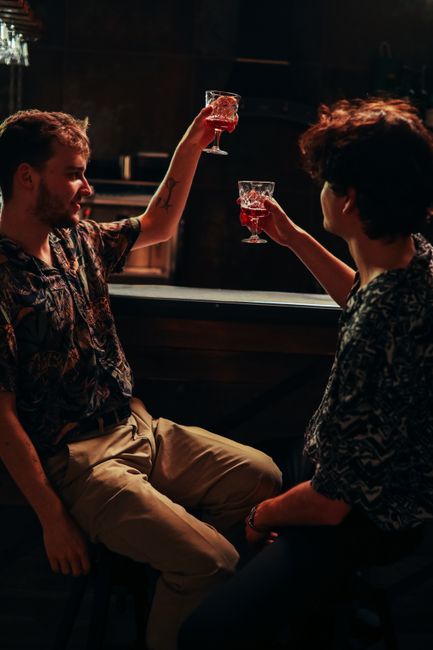
The night air in the Movie Colony district carries the faint tang of creosote and citrus from backyard trees as a line of people spills from the unmarked side door of the Saguaro Social Club. Inside, a low stage holds a lone keyboard player whose slow cover of a 90s house track gives way to faster beats once the clock hits eleven. Patrons in everything from vintage western shirts to mesh tanks lean against the bar, where a single string of warm bulbs throws just enough light to catch the condensation on highball glasses. No velvet rope separates the dance floor from the small seating area, and the mix of laughter and conversation stays loud enough to drown out the occasional desert wind rattling the windows. Palm Springs has long sold itself on the visibility of its central corridor, yet the real test of a city’s queer life lies in whether spaces survive once the tour buses leave. These peripheral rooms matter because they keep room for locals priced out of the main strip’s rising rents and for visitors tired of curated photo opportunities. They also function as informal archives: older regulars trade stories about earlier decades when the same neighborhoods hosted underground parties that never made the guidebooks. At a moment when state-level restrictions on public gatherings keep surfacing, the continued existence of these spots offers proof that community habits can outlast official tolerance. Personal stakes appear in the simple act of showing up without explanation, a relief for anyone whose daily life elsewhere still requires translation. One such room sits two blocks off North Indian Canyon in a converted 1950s motor-court office now called the Echo. On Thursday nights the owner, Marcus Hale, runs a rotating set of live soundtracks that range from Latin freestyle to early synth pop. Hale, who moved from Phoenix eight years ago after closing a smaller venue there, keeps the cover at ten dollars and donates the first hour’s bar proceeds to a rotating list of local health funds. Last week a visiting musician from Tijuana joined the keyboard player for an impromptu bilingual set that stretched past two in the morning; regulars still mention the moment when the room sang along to a cumbia version of a Whitney Houston track. Hale’s rule is simple: no requests for songs that charted after 2005 unless the artist is in the room. The policy forces a shared reference point that newer arrivals learn quickly or ignore at their own risk. Yet the same decentralization that protects these rooms also leaves them exposed. A few blocks east, the once-weekly queer film night at the old Rancho Cinema folded last spring after the landlord doubled the lease to court a craft-cocktail chain. Some promoters have responded by moving events to private homes in the Deepwell neighborhood, where word-of-mouth lists replace public flyers and attendance caps keep the gatherings under twenty people. The shift trades volume for safety but narrows who hears about the nights in the first place. At the same time, a handful of Palm Canyon venues have begun advertising “neighborhood nights” that import DJs from Echo and charge triple the original cover, a reminder that visibility can quickly turn into extraction when the money flows back toward the main drag. Start at the Echo on a Thursday, arrive by ten thirty to claim one of the low stools along the back wall, and stay long enough to catch Hale’s short speech thanking the health-fund recipients before the last set. If the crowd feels too familiar after a couple of visits, drive twenty minutes north to the Thursday pop-up at the Desert Edge Motel in Desert Hot Springs, where the same promoters run a smaller dance floor on the old pool deck and keep the bar prices under eight dollars. Follow the Instagram account @moviecolonydispatch for same-day location changes and for the short audio clips Hale posts the morning after each night; the account also lists the handful of house parties that open their doors when motel bookings fall through. Bring cash and a reusable cup, both of which cut down on the single-use plastic that piles up faster than the venues can recycle it. The desert keeps its own clock once the sun drops, and the rooms that last longest are the ones that still let the night air move through an open door without charging extra for the view.
A few blocks north in downtown Palm Springs, The Wrist Room maintains its own rhythm. Owned by local DJ and promoter Lila Martinez, it opens every Saturday night at eight o’clock sharp to a mix of regulars and newcomers drawn by the word-of-mouth buzz and the promise of free entry. Inside, the space feels both intimate and expansive—a small dance floor surrounded by mismatched furniture, with dim overhead lights casting an amber glow over vintage photographs and vinyl records lining the walls. Lila’s set blends deep house beats with retro funk, and her DJ booth doubles as a makeshift bar where patrons can purchase drinks from a limited selection of non-alcoholic options to keep the room lively without overpowering the atmosphere. Lila, who has been running The Wrist Room for nearly five years, believes in creating spaces that feel safe and welcoming. “We’re not just a club; we’re a community center,” she says with a smile, her eyes twinkling as she watches the crowd sway to the music. She has turned the venue into a hub where local artists perform and DJ sets often culminate in impromptu dance-offs that push the boundaries of what’s expected from a night out. The Wrist Room’s significance extends beyond its physical presence; it serves as a platform for emerging talent, providing a stage for performers who might otherwise struggle to gain recognition in larger venues. Each week brings new faces—musicians, painters, and poets—who share their work with the crowd, fostering an environment of mutual support and creativity. Despite the challenges posed by fluctuating attendance and changing city regulations, Lila remains optimistic. “The key is keeping it organic,” she explains. “We don’t need thousands to fill the room; we just need enough people who believe in what we’re doing.” Her philosophy resonates with the ethos of the other peripheral rooms in Palm Springs, where visibility isn’t about reaching a wide audience but rather about building meaningful connections within a tight-knit community.
About the Author
L
Lila Nevada
Staff writer at ThePinkPulse — covering LGBTQ+ news, culture, and community stories.