policy
T
May 1, 2026 · 3 min read
Share
X / Twitter
Facebook
Instagram
Threads
Reddit
LinkedIn
Copy Link
Email
By Helen Chen
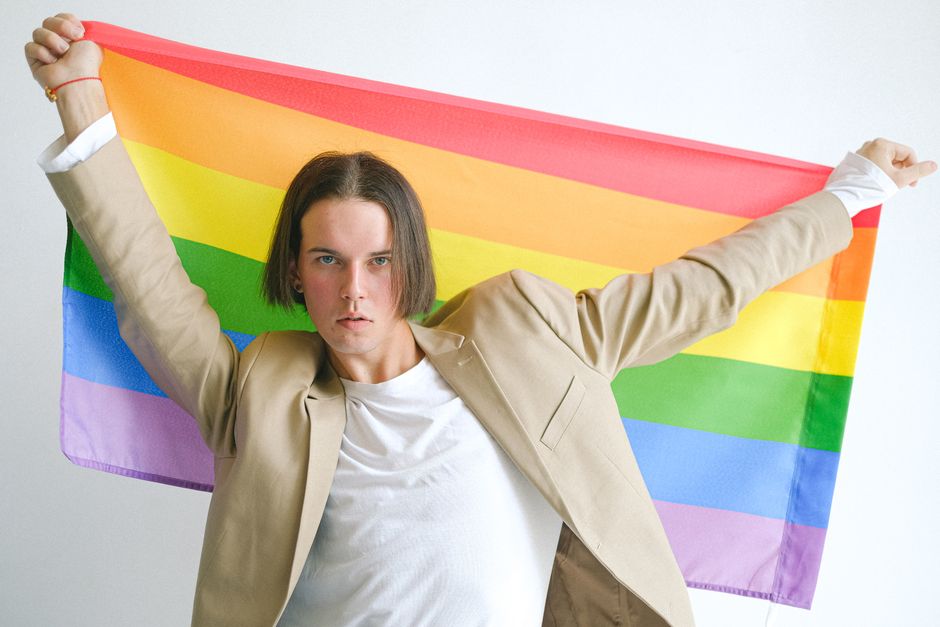
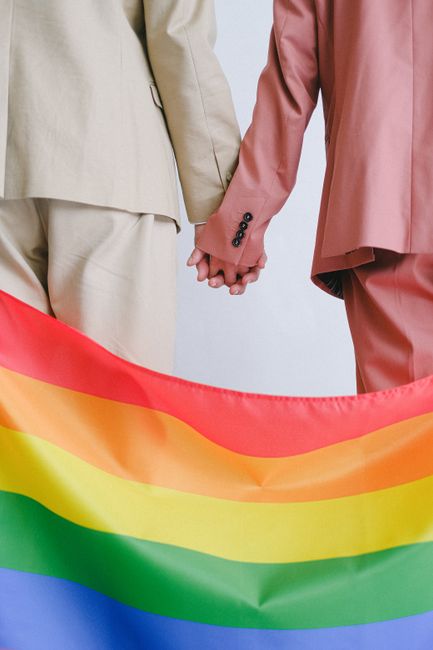
As I stroll through the streets of Portland, I'm reminded why this city is a beacon of hope for LGBTQ+ individuals and allies. From the colorful murals adorning building facades to the rainbow flags waving high above, it's clear that our Rose City is proud to be a place where love knows no bounds. But behind the scenes, policy decisions are either empowering or polarizing, leaving some in our community feeling left out of the equation.
As someone who calls Portland home and has been involved in local LGBTQ+ organizations for years, I've found that the city's commitment to inclusivity is genuine – but there's still work to be done. Take, for instance, the City Council's decision to pass a resolution supporting transgender students' right to use the restroom corresponding with their gender identity. This move sent a powerful message to the community and was met with widespread applause from advocates.
However, not all policies have received such accolades. Some critics argue that the city's handling of gentrification has disproportionately affected low-income LGBTQ+ individuals and communities of color, pushing them further away from the very resources they need to thrive. It's a sensitive topic, indeed, but one that must be addressed if we're serious about creating a more just and equitable society.
So, what can be done to ensure that Portland remains a beacon of hope for all LGBTQ+ individuals? For starters, it's essential that our city councilors and policymakers work closely with community organizations to better understand the needs and concerns of marginalized groups. This includes amplifying the voices of Black, Indigenous, People of Color (BIPOC) LGBTQ+ individuals who are often left out of mainstream conversations.
Another crucial step is addressing the issue of gentrification head-on. This might involve implementing policies that prioritize affordable housing, supporting small businesses owned by LGBTQ+ individuals and BIPOC entrepreneurs, and ensuring that community resources are accessible to all – regardless of income or zip code.
As I look around this vibrant city, I'm reminded of the countless stories of resilience and determination that have shaped Portland's LGBTQ+ community. From the earliest days of the AIDS epidemic to the more recent struggles for marriage equality and transgender rights, our community has always found ways to adapt, to thrive, and to push forward in the face of adversity.
So, what's next for Portland's LGBTQ+ community? For me, it means continuing to amplify marginalized voices, supporting local businesses that reflect our values, and working with policymakers to create a more just and equitable society. It also means celebrating our community's rich history and culture – from the iconic drag shows at Darcelle's to the inclusive spaces offered by organizations like Q Center.
As I wrap up this article, I'm filled with hope and excitement for what the future holds for Portland's LGBTQ+ community. Whether you're a long-time resident or just visiting our beautiful city, know that there's always something new to explore, someone new to meet, and a story waiting to be told.
Support this writer
Enjoyed this story? Leave a tip to show your appreciation
—
No ratings yet
Rate this article
Sign in to leave a rating
The Conversation (0)
Sign in to join the conversation
Sign In