Raleigh Celebrates Pride with NBA Stars and Community Events
On a crisp evening in early June, Raleigh’s downtown is aglow with a kaleidoscope of lights and colors, a far cry from the usual muted tones. The streets are alive with the hum of excited voices and the rhythmic thud of feet on pavement, as thousands gather at Fayetteville Street
entertainment
On a crisp evening in early June, Raleigh’s downtown is aglow with a kaleidoscope of lights and colors, a far cry from the usual muted tones. The streets are alive with the hum of excited voices and the rhythmic thud of feet on pavement, as thousands gather at Fayetteville Street
#pride-month#pride-2026#this-week
L
Lily Vasquez
Jun 9, 2026 · 5 min read
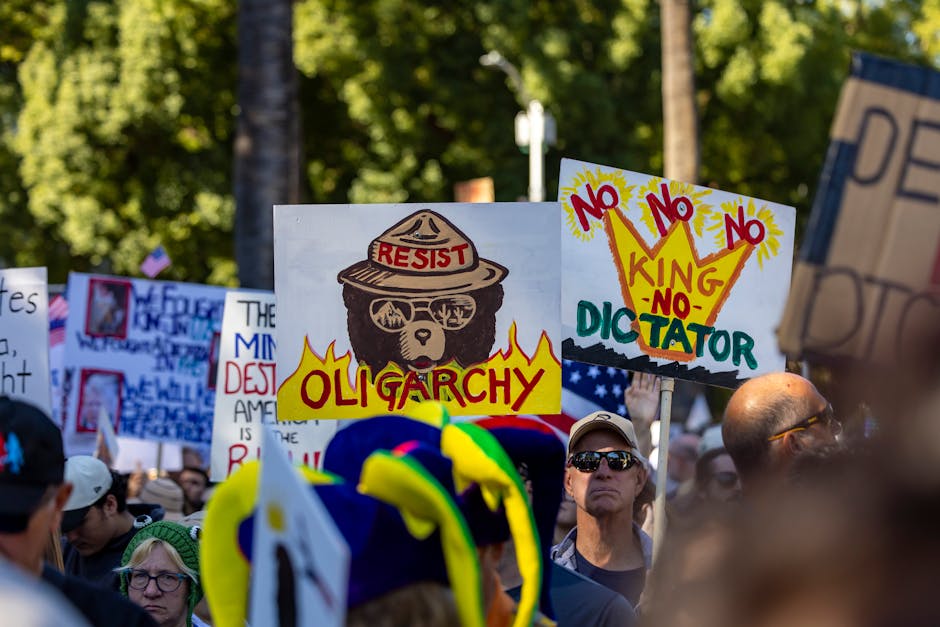
On a crisp evening in early June, Raleigh’s downtown is aglow with a kaleidoscope of lights and colors, a far cry from the usual muted tones. The streets are alive with the hum of excited voices and the rhythmic thud of feet on pavement, as thousands gather at Fayetteville Street for the city's annual Pride Celebration. Amidst the sea of rainbow flags and beaming faces, NBA stars dribble through the crowd, their presence a testament to the intersection of sports and social justice. Why this matters? In an era where LGBTQ+ rights are still under siege in many parts of the country, Raleigh’s celebration is more than just a party—it's a defiant statement against discrimination. The event brings together not only local residents but NBA players from across the nation, each adding their voice to the choir for equality and acceptance. This intersection of sports and activism underscores how important it is that athletes use their platform to advocate for marginalized communities. At the heart of it all stands Carmelo Anthony, who’s mingling with fans and signing autographs. “We’re here because basketball is more than just a game—it’s a way to bring people together,” he says, his voice clear above the din. The crowd murmurs in agreement, drawn by his warm personality and fierce commitment to social issues. Nearby, the streets buzz with the sounds of live music and vendors selling everything from artisanal goods to Pride-themed merchandise. But as the celebration reaches its peak, there’s a complication. A small group of protesters begins to march through the festivities, their signs reading “Stop NBA Player Political Activism.” The contrast is stark; while one side celebrates unity and inclusion, another voices opposition, questioning whether athletes should use their platforms for political causes. This tension highlights the broader societal debate about where public figures draw the line between personal beliefs and professional conduct. Despite this counter-take, the majority of attendees remain undeterred. They see these players as role models, individuals who’ve leveraged their fame to stand up against injustice. For many, the NBA has become a beacon of hope for LGBTQ+ rights, with stars like Anthony using their influence to push for change both on and off the court. As the night draws to a close, there’s an invitation extended: “Join us at our after-party at City Hall tonight from 7 PM onwards. It’ll be a space where we continue this dialogue, foster connections, and celebrate our shared values.” The organizers are clear about their intentions—this isn’t just about the party; it’s about building community. For those looking to stay involved, there are numerous ways to support local LGBTQ+ initiatives and follow the players’ activism. Follow @RaleighPride on social media for updates on future events, and consider donating to local organizations like the LGBT Center of North Carolina. Each action can contribute to making Raleigh a more welcoming place. In the end, as the last lights flicker off in downtown Raleigh, the message is clear: sports and activism are not mutually exclusive. In fact, they’re often intertwined, creating a powerful narrative that resonates far beyond the basketball court. The NBA stars in Raleigh tonight are just one chapter in this ongoing story of progress and unity.
At City Hall, where the after-party was set up, the energy remains high and dynamic, pulsating through every corner of the venue. Inside, a DJ spins a mix of pop hits and party anthems that keep the crowd dancing well into the night. As the evening progresses, more NBA players make their way to the stage for an impromptu Q&A session. Klay Thompson, known for his off-court activism, takes center stage and shares stories about his journey from basketball star to community leader. His presence resonates deeply with the audience, many of whom have followed his personal and professional life through social media. Near the food station, a local LGBTQ+ organization has set up a booth where they're distributing information on various support services and volunteer opportunities. The staff is friendly and enthusiastic, eager to connect with the attendees who are genuinely interested in making a difference. One young woman, Sarah, stops by the booth and fills out a survey about her experience at the celebration. She shares her story of coming out as LGBTQ+ in a conservative community and how NBA players like Thompson have inspired her to be more vocal about her identity. The party winds down slowly, with many lingering to chat or simply enjoy the company of new friends. As the clock strikes midnight, fireworks light up the night sky above the city hall, creating a spectacle that mirrors the joy and hope felt by those inside. The organizers announce a raffle for tickets to an upcoming basketball game, which garners loud cheers from the crowd. One of the prizes is a meet-and-greet with Carmelo Anthony himself. The after-party continues until well past 2 AM, but the excitement doesn't fade. Instead, it shifts into something more introspective and communal as people share their stories and dreams over small plates of late-night snacks. A group of teenagers sit on a couch near the back, discussing how they plan to use their newfound energy and visibility to advocate for LGBTQ+ rights in their own communities. As dawn begins to break and the last guests start to leave, the organizers gather to evaluate the success of the event. They note that the turnout was impressive, with over 150 attendees representing a wide range of backgrounds. The feedback they've received is overwhelmingly positive, indicating that this celebration has played a crucial role in fostering greater understanding and acceptance. For those who couldn't make it to the party but still want to be part of the movement, there are various ways to stay involved. Local organizations have created social media groups where people can share resources, stories, and upcoming events. A hashtag #PrideInRaleigh has gained traction, with posts from players, activists, and everyday citizens coming together to show their support. As the first rays of sun rise over Raleigh, casting a warm glow over the city, it’s clear that this night has left an indelible mark on its participants. The intersection of sports and activism continues to grow stronger, providing a platform for voices often silenced. For now, though, everyone is content in their newfound connections and shared purpose, looking forward to the next steps in this ongoing journey towards equality and acceptance.
Share:
Tags:#pride-month#pride-2026#this-week
About the Author
L
Lily Vasquez
Staff writer at ThePinkPulse — covering LGBTQ+ news, culture, and community stories.