golden state warriors pride night celebrates inclusive queer fans in san francisco
the chase center crowd pulsed with rainbow flags and team jerseys on a humid san francisco evening, the arena lights catching on sequined caps and leather jackets alike. fans filed past security with deliberate steps, some pausing to adjust pins on their bags while the smell of p
events
the chase center crowd pulsed with rainbow flags and team jerseys on a humid san francisco evening, the arena lights catching on sequined caps and leather jackets alike. fans filed past security with deliberate steps, some pausing to adjust pins on their bags while the smell of p
D
Derek Wilson
Jul 13, 2026 · 4 min read
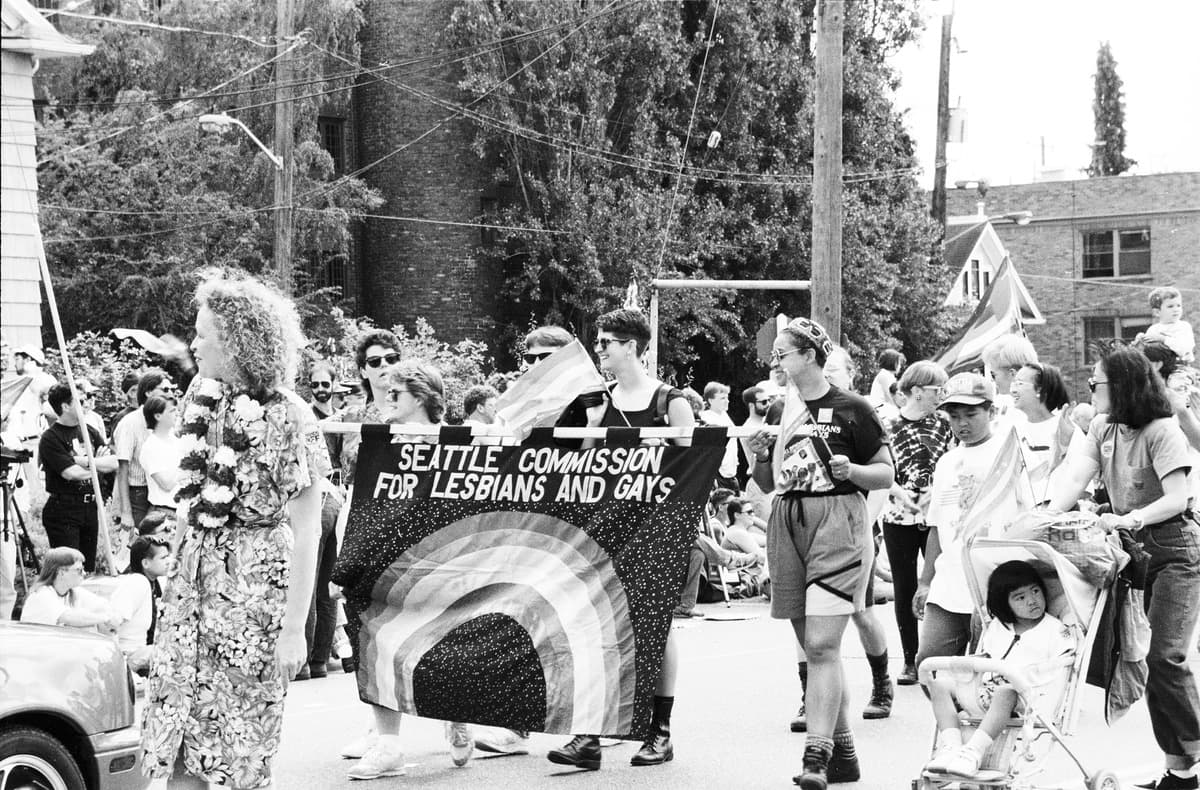
the chase center crowd pulsed with rainbow flags and team jerseys on a humid san francisco evening, the arena lights catching on sequined caps and leather jackets alike. fans filed past security with deliberate steps, some pausing to adjust pins on their bags while the smell of popcorn mixed with faint traces of cologne from the concourse. on the court below, players warmed up under the same roof that usually hosts high-stakes matchups, but tonight the energy leaned toward shared glances and quick hugs between strangers who recognized each other from previous games or local meetups. this gathering matters because it sits at the intersection of a sports franchise and a city long shaped by queer visibility. san francisco's history with advocacy stretches back decades, yet professional basketball has only recently opened more space for those identities without framing them as exceptions. advocates argue that moments like pride night push teams to consider how their venues serve as public stages, where acceptance can feel tangible rather than abstract. personal stakes surface too when younger attendees see players acknowledge them through simple gestures, such as pregame videos or themed merchandise. the political layer remains steady, as some local voices note ongoing debates over how institutions balance commercial appeal with genuine inclusion rather than surface-level nods. near the main entrance, a group clustered around a table run by a local organizer named marisol rivera, who handed out wristbands while chatting with regulars from the mission district. she pointed toward a nearby section where several fans had gathered, one of them describing how the night gave his nephew a first chance to wear a warriors jersey without hesitation in public. the arena itself, perched along the waterfront with its views of the bay, hosted a short on-court recognition that drew scattered applause mixed with cheers. rivera mentioned earlier conversations with team staff about keeping the focus on community input instead of polished productions, and one attendee nearby added that the setup felt less like a corporate checklist and more like an extension of neighborhood events he already knew. yet complications linger beneath the visible enthusiasm. some longtime supporters in the castro have questioned whether arena events truly reach beyond ticket-holding crowds, pointing out that higher costs can limit access for those who follow the team through bars and watch parties instead. a counter-take came from a fan who recalled past seasons where pride messaging appeared only after external pressure, suggesting the current approach still carries traces of caution from management wary of alienating other demographics. this tension plays out in smaller ways too, like debates over which community groups receive official nods versus independent gatherings that happen regardless of team involvement. the result leaves room for skepticism even among those who show up, as the night highlights both progress and the uneven pace at which institutions adapt. if the scene draws you in, start by checking the warriors official site for upcoming community nights and cross-reference with local listings from the castro merchants association for watch parties that often follow games. reach out through their fan forums or follow accounts like the bay area queer sports coalition for updates on smaller events that pair with arena dates. a concrete next step involves stopping by a spot like the mix in the castro on game nights to connect with others tracking these initiatives, then looping back to team social channels with specific feedback on what worked or fell short. the lights dimmed on the court after the final buzzer, leaving fans to filter out toward the ferries and streets where conversations picked up again under streetlights. one group lingered near the exit, already planning the next meetup without needing another formal invitation. the group made their way toward the castro, gathering at a longtime bar called harveys where owner patrick nelson poured drinks and recalled how the venue had hosted postgame watch parties since the early two thousands. nelson described a recent shift in which team affiliated events started drawing in folks who previously stuck to private gatherings, though he noted the conversations often circled back to questions of authenticity versus optics in corporate sports outreach. one regular, a teacher named elena cruz, shared stories of her students finding role models through the pride initiatives yet wondering about the persistence of barriers in youth sports programs across the bay area. these exchanges highlighted the ways san francisco's queer community has long used public spaces to build solidarity, from street fairs to arena nights, even as economic pressures and shifting city demographics test those bonds. outside on the sidewalk, another cluster formed around a street performer singing old anthems that once echoed at protests, pulling in passersby who connected the basketball event to broader fights for visibility that began decades earlier in the same neighborhoods. after the songs faded some attendees mentioned plans for a larger rally the following week at city hall to push for more inclusive policies in local athletics.
Share:
About the Author
D
Derek Wilson
Staff writer at ThePinkPulse — covering LGBTQ+ news, culture, and community stories.