Sao Paulo’s Queer Nightlife Defines Gender Fluidity In Every Club Beat
The pulsating rhythm of São Paulo’s Queer Nightlife defines gender fluidity in every club beat, a vibrant canvas where bodies move freely and identities blur into something new. The city's gay bars and nightclubs are not just places to dance; they are sanctuaries for exploring on
nightlife
The pulsating rhythm of São Paulo’s Queer Nightlife defines gender fluidity in every club beat, a vibrant canvas where bodies move freely and identities blur into something new. The city's gay bars and nightclubs are not just places to dance; they are sanctuaries for exploring on
E
Ethan Harris
Jun 6, 2026 · 5 min read
Share
X / Twitter
Facebook
Instagram
Threads
Reddit
LinkedIn
Copy Link
Email
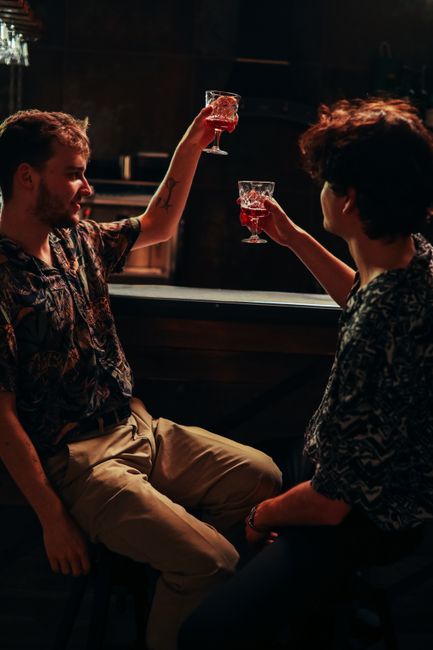
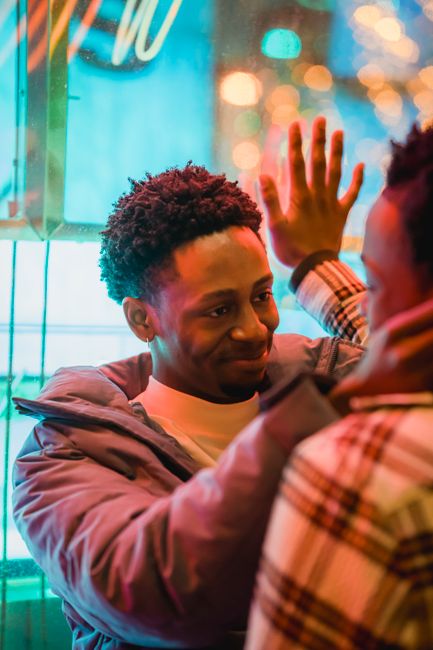
The pulsating rhythm of São Paulo’s Queer Nightlife defines gender fluidity in every club beat, a vibrant canvas where bodies move freely and identities blur into something new. The city's gay bars and nightclubs are not just places to dance; they are sanctuaries for exploring one’s essence without judgment. The bass drops like thunder on the packed floor of Cidade de Luz, an intimate venue tucked away in Berrini. Here, under a sea of flashing lights, people wear masks of all kinds—some with vibrant painted faces, others in full drag that might make a runway veteran blush. The air is thick with perfume and sweat, and it feels like the world outside fades away as one becomes part of this collective celebration. Why does this matter? Beyond the sheer joy of dancing until dawn, São Paulo's queer nightlife is vital for challenging rigid gender norms. It provides a space where everyone can experiment and express themselves freely, defying expectations that have long constrained trans and non-binary individuals. In Cidade de Luz, I met Sofia, who runs one of the many drag nights here. "We create our own rules," she said with a confident smile as she sprayed glitter onto a performer’s face. "Here, you can be anything or nothing—whichever feels right in that moment." Yet, this vibrant scene is not without its complications. While Cidade de Luz thrives, other clubs are less welcoming to trans and non-binary patrons. A visit to Bar do Pau provides stark contrast. As I entered the smoky room filled with patrons wearing more conventional attire, a security guard eyed me warily. When I asked if they had any gender-neutral bathrooms, he shook his head grimly. “Not tonight,” he muttered before turning back to his colleagues. The disparity in inclusivity highlights the ongoing struggle for equal access and representation within São Paulo’s queer community. Back at Cidade de Luz, as the night waned into early morning, I witnessed a dance-off where participants performed moves inspired by their favorite pop culture icons—from Lady Gaga's fierce stage presence to RuPaul's dazzling charisma. Each move was imbued with personal meaning, showcasing how pop culture can serve as both inspiration and a form of resistance against societal norms. These performances are more than just entertainment; they are acts of rebellion that redefine gender fluidity in the most visible ways possible. For those looking to experience this vibrant scene firsthand, Cidade de Luz is just one of many venues worth exploring. Consider starting your night with a visit to Bairro Alto, where smaller clubs like Sesc Pompeia offer more intimate atmospheres and diverse programming. Keep an eye out for upcoming events hosted by local artists and activists who aim to push boundaries further. As I left Cidade de Luz under the morning sun, the club’s neon lights still burned brightly in my memory. The night had been a reminder that gender fluidity isn't just about clothes or makeup; it's about breaking free from societal constraints and embracing your true self wherever you are.
Walking down Paulista Avenue towards Vila Madalena, I stumbled upon Café do Bairro, a cozy spot that feels like stepping into another world. The air inside is filled with the aroma of freshly brewed coffee and the soft murmur of voices from a nearby poetry reading event. Here, the walls are adorned with black-and-white portraits of LGBTQ+ activists and artists, their faces a silent testament to the struggles and triumphs of the community. As I sipped on my coffee, I struck up a conversation with Luisa, a local artist who has been part of this scene for over a decade. "Café do Bairro is more than just a place," she said, her eyes sparkling as she spoke. "It’s a meeting point for ideas and creativity, where we share stories and dreams that challenge the status quo." Luisa mentioned an upcoming event at Café do Bairro—a drag brunch hosted by some of the city’s most talented performers. Curious, I decided to attend, eager to witness firsthand how these events contribute to the cultural fabric of São Paulo. The next Saturday morning found me walking into a buzzing space filled with laughter and chatter. The tables were adorned with platters of gourmet sandwiches and pastries, while the air was thick with the scent of floral arrangements. Drag queens in extravagant gowns and wigs took turns performing skits and singing songs that reflected their journey through life. One performer, Maria, shared a poignant story about finding her true self after years of hiding behind societal expectations. Her voice was strong as she sang a cover of “Respect” by Aretha Franklin, resonating with the crowd and highlighting the importance of self-acceptance. The event was not just entertainment; it was a celebration of resilience and empowerment. Afterward, I had the chance to chat with some of the performers backstage. Each shared their unique story of how they found their voice in this local crowd. For many, these events are more than performances—they are lifelines that connect them to others who understand their journey. As the day drew to a close, I realized that Café do Bairro and venues like Cidade de Luz play a crucial role in creating a space where individuals can express themselves freely without fear of judgment. These places foster a sense of belonging and provide platforms for stories that challenge traditional gender norms. In São Paulo, the nightlife scene is not just about having a good time—it’s about building a community that celebrates diversity and inclusivity. The night spilled into dawn as I made my way back to Cidade de Luz, the neon lights still flickering brightly in the early morning sky. The city continued to pulse with life, its vibrant queer nightlife continuing to push boundaries and redefine what it means to be fluid in gender identity.
About the Author
E
Ethan Harris
Staff writer at ThePinkPulse — covering LGBTQ+ news, culture, and community stories.