Toronto's Queer Quarter: A Pride-Packed LGBTQ+ Travel Guide
The late afternoon sun slants across Church Street, catching on sequins and leather as a saxophone player outside a corner cafe riffs through a slowed-down version of "I Will Survive." Inside the Aurora Collective, steam rises from oat-milk cortados while two women in matching le
travel
The late afternoon sun slants across Church Street, catching on sequins and leather as a saxophone player outside a corner cafe riffs through a slowed-down version of "I Will Survive." Inside the Aurora Collective, steam rises from oat-milk cortados while two women in matching le
L
Lily Vasquez
Jun 5, 2026 · 4 min read
Share
X / Twitter
Facebook
Instagram
Threads
Reddit
LinkedIn
Copy Link
Email
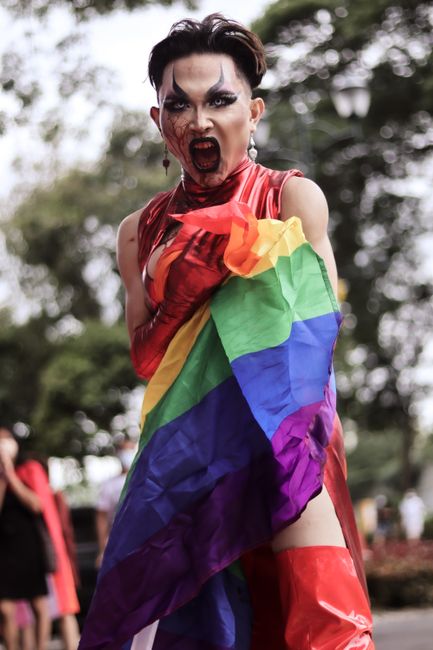
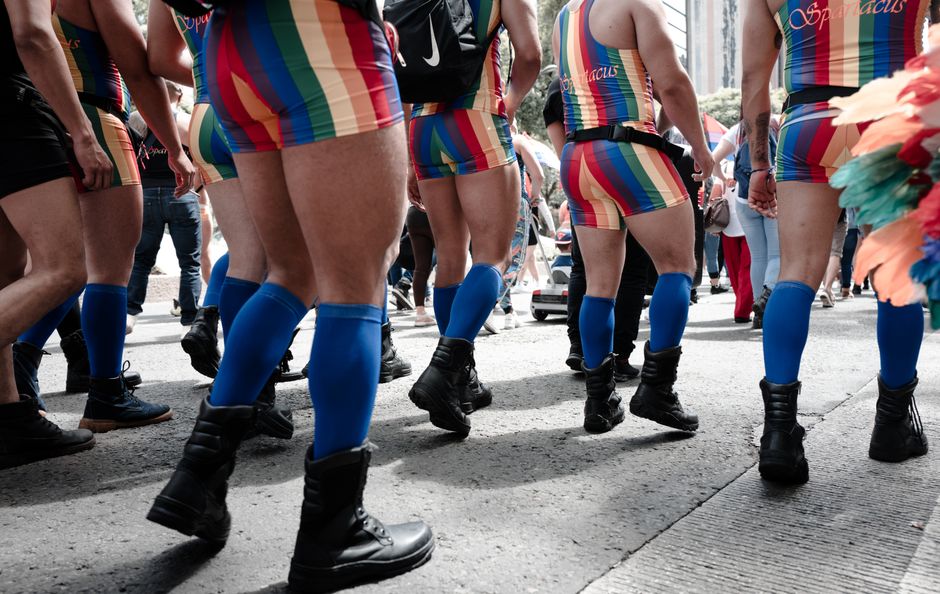
The late afternoon sun slants across Church Street, catching on sequins and leather as a saxophone player outside a corner cafe riffs through a slowed-down version of "I Will Survive." Inside the Aurora Collective, steam rises from oat-milk cortados while two women in matching leather vests debate the merits of a new queer poetry zine over the clink of ceramic. A block away, the bass from Shadow Bar pulses through open doors, mixing with the scent of grilled halloumi from a pop-up stall run by a former line cook who now caters exclusively for weekend brunches in the Village. Toronto's Church-Wellesley district has long served as a fixed point for LGBTQ+ travelers seeking more than rainbow flags slapped on corporate windows. The neighborhood's density of queer-owned businesses and community spaces creates an immediate sense of continuity for visitors who arrive after years of smaller-city isolation or outright hostility back home. Events here do not merely celebrate identity; they sustain networks that have withstood municipal funding cuts, rising rents, and shifting political winds at both provincial and federal levels. For many, walking these blocks means stepping into a living archive of protests that began in the 1970s and continue in quieter forms today, whether through mutual-aid pop-ups or late-night strategy sessions in bookshop basements. The personal stakes surface quickly in conversation: a traveler from Halifax might describe finally seeing a partner hold their hand without scanning for trouble, while a local notes how the same sidewalks once hosted vigils that shaped national conversations on same-sex marriage. These layers turn a weekend visit into something closer to temporary membership in an ongoing project of visibility and care. One recent Thursday evening at the Pink Lantern, a narrow bar tucked between a falafel spot and a vintage clothing store, owner Marcus Rivera stood behind the counter pouring pints of local lager at eight dollars each. Rivera, who opened the Lantern in 2018 after years running pop-up nights in borrowed kitchens, hosts a weekly "Thrift and Thirst" event where drag performers auction secondhand garments to raise funds for newcomer housing. On this night, performer Luna Vesper held up a beaded jacket while describing its previous owner, a 1980s activist who had marched against the bathhouse raids. Bids climbed from twenty to seventy-five dollars within minutes, and the crowd of roughly sixty people, a mix of locals and visitors from Detroit and Chicago, clapped between sips. Rivera later pulled a small notebook from his apron and jotted a reminder to restock the non-alcoholic ginger beer, noting that sales of the four-dollar mocktails had doubled since he added them last spring. The event ended at eleven with a spontaneous group photo on the sidewalk, the flash illuminating the rainbow-painted crosswalk that the city installed after sustained pressure from neighborhood groups. Yet the same stretch of blocks reveals friction beneath the surface. Gentrification has pushed several longstanding venues toward higher rents, forcing some to shorten hours or relocate farther east. A new craft-cocktail lounge opened last year with fifteen-dollar drinks and minimalist lighting that clashes with the older, louder establishments still serving five-dollar shots until 2 a.m. Regulars at Woody's, the decades-old sports bar two blocks south, grumble that the influx of short-term visitors drawn by social-media posts sometimes crowds out quieter community nights. One bartender there, who asked not to be named, described turning away a bachelor party that arrived wearing matching "Pride Squad" T-shirts and expecting the space to function as a photo backdrop rather than a neighborhood hangout. These tensions surface most clearly during the annual Pride festival, when corporate sponsors line the main stage while smaller collectives operate side stages funded by door donations. The contrast does not cancel the district's appeal; it simply requires visitors to choose their entry points with some awareness of who benefits from their cover charge or coffee order. Start with a Thursday night at the Pink Lantern for the auction, then walk two blocks to the 519 community center on Church Street for its free Wednesday drop-in hours from 6 to 9 p.m., where staff can point newcomers toward current reading groups or legal-clinic schedules. Reserve a table at the Aurora Collective for weekend brunch, where the halloumi plate runs twelve dollars and the zine rack rotates monthly selections from local presses. Follow the Instagram account @villageafterdark for same-day announcements of pop-up readings or film screenings, and check the bulletin board inside Glad Day Bookshop for listings of walking tours led by longtime residents. These steps place a traveler inside the daily rhythms rather than the marketed highlights. The saxophone player packs up as the sky darkens, leaving the final notes hanging above the crosswalk where someone has taped a fresh flyer for next month's housing-fund drive.
About the Author
L
Lily Vasquez
Staff writer at ThePinkPulse — covering LGBTQ+ news, culture, and community stories.