Wilton Manors Realtors Chart New Ground on Transition Support
Two local real estate professionals are quietly reshaping how LGBTQ clients navigate home buying in South Florida. What started as a conversation about inclusivity has become something more concrete: a commitment to understanding the specific financial and legal needs of trans homebuyers.
News
Two local real estate professionals are quietly reshaping how LGBTQ clients navigate home buying in South Florida. What started as a conversation about inclusivity has become something more concrete: a commitment to understanding the specific financial and legal needs of trans homebuyers.
#Real Estate#Trans Issues#Wilton Manors#Housing#LGBTQ Business
G
Grace Petersen
Jun 3, 2026 · 4 min read
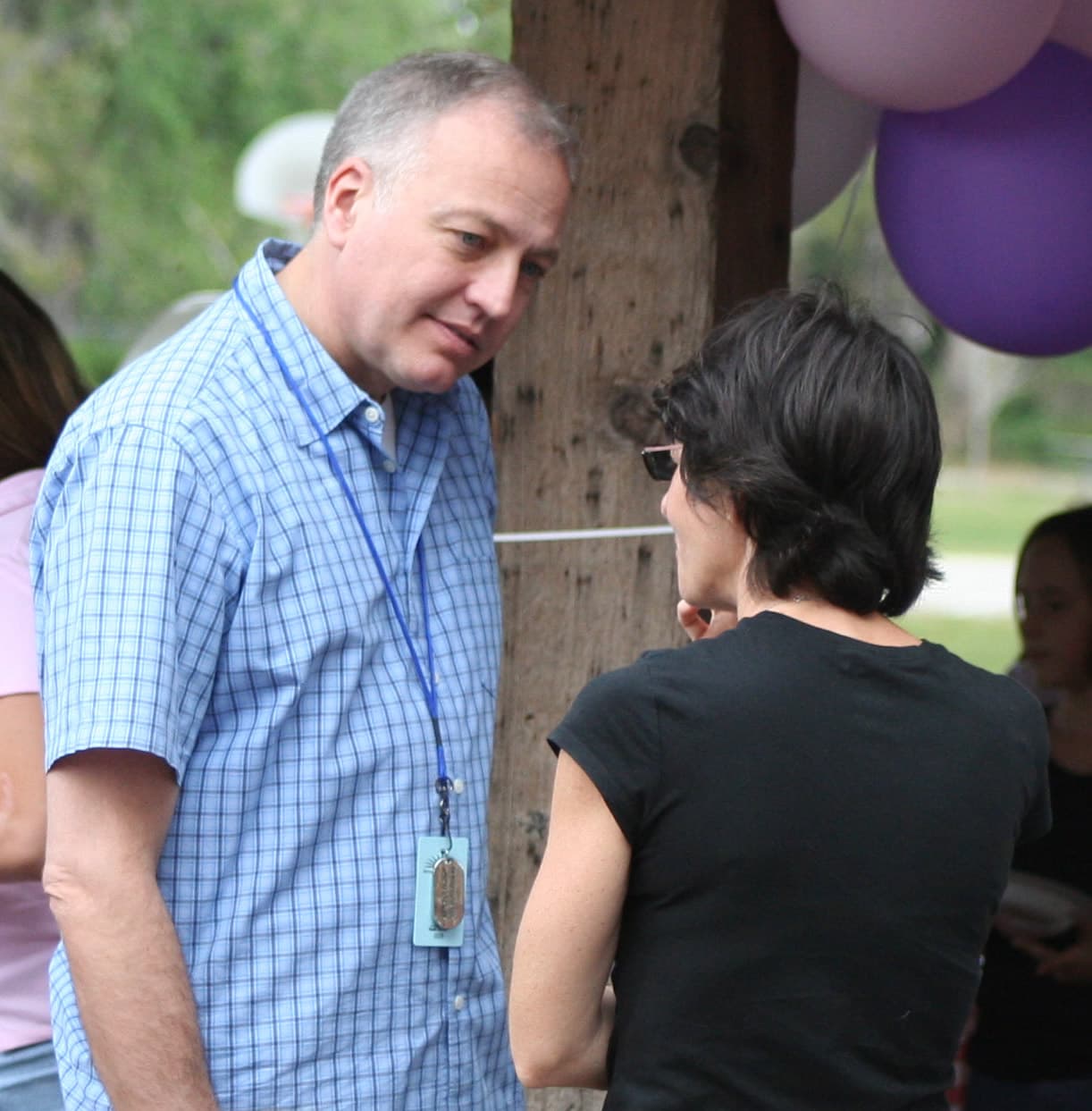
Michael Marvici sits across from a client in his NE 26th Street office, and the conversation isn't about square footage or property taxes. It's about name changes, documentation timelines, and the gap between legal identity and mortgage applications—the friction points that make buying a home feel like navigating a maze designed by people who never had to walk it.
Wilton Manors has long positioned itself as LGBTQ-friendly real estate territory. The town's reputation draws queer buyers from across South Florida who want to settle somewhere that doesn't require them to code-switch or hide. But friendly and actually equipped are two different things. And for trans clients navigating the mortgage process, the difference between those two states can mean the difference between approval and rejection, between moving forward and being stuck.
Marvici, who works with RE/MAX Experience at 1103 NE 26th Street, and Maggie Dunne, also at the same address, have been quietly developing a framework for how to handle these transactions. It's not flashy work. It doesn't get picked up by national outlets like The Washington Blade or Queerty—those outlets cover the big policy fights in Sacramento and Washington. But here in Wilton Manors, this is the real fight: one client, one mortgage, one opportunity to either remove barriers or reinforce them.
The issue surfaces the moment a trans buyer's paperwork enters the system. Mortgage lenders require documentation that matches across multiple agencies: Social Security Administration, IRS, lenders themselves. A name change in Florida is straightforward on paper—a court petition, a filing fee, publication in a newspaper—but the timeline creates complications. Someone might have legally changed their name six months ago but still appear in Social Security records under their deadname. Banks see the mismatch and flag it. Some lenders won't proceed. Others demand explanations. The process stalls.
Dunne has worked with clients who've experienced exactly this kind of stalling. "It's not malice," she explained during a recent conversation. "It's systems that weren't built with trans people in mind. The lender sees a discrepancy and doesn't have a protocol for it. So they default to 'no' because 'no' is safe." That default affects real people trying to build equity in Wilton Manors, trying to plant roots in a community that's supposed to be theirs.
What Marvici and Dunne have started doing is simpler than it should have to be: they're calling ahead. Before a trans client's application hits a lender's desk, they're having conversations with loan officers, walking them through what they'll see, providing context. They're explaining that a name change and a Social Security update happening in different months is normal, expected, and not a red flag. They're treating the lender as someone who needs education rather than someone who needs to be fought.
It's preventative work. It's not revolutionary. But in an industry where trans clients have historically had to either hide their identity or brace for rejection, it's a shift.
The conversation between Marvici and Dunne started informally—conversations at industry events, comparing notes about client experiences. Both had noticed patterns. Both had seen deals slow down or stall. Both had watched clients absorb the emotional weight of being treated as unusually risky because their paperwork didn't fit the template. At some point, informal comparison became intentional strategy.
They're not the only realtors in Wilton Manors working with LGBTQ clients. But they're among the few explicitly developing protocols for trans-specific issues. And they're doing it without much fanfare, without a press release or a ribbon-cutting ceremony. Just two professionals deciding that their expertise should include understanding their clients' actual lives.
Wilton Manors itself has the infrastructure for this kind of work. The town has a reputation as a place where LGBTQ people can simply exist—where you can walk down Wilton Drive without performing for an audience, where local businesses from Hormonal to Ink Addiction II to The Little Crystal Shop have built customer bases that reflect the community's actual composition. The realtors working here are operating in that same ecosystem.
But reputation and infrastructure aren't the same as systematic change. Marvici and Dunne's work suggests that even in a gay-friendly town, the systems that actually move money and property—mortgages, title companies, lenders—still operate on assumptions built for a narrower set of lives. The gap between "Wilton Manors is LGBTQ-friendly" and "Wilton Manors is a place where trans people can easily buy homes" is still real. It's just smaller than it used to be, at least for the clients these two are working with.
What's notable isn't that this work is happening. What's notable is how quietly it's happening, how unglamorous it is, how much it resembles the actual work of building an inclusive community—which is mostly about showing up, asking questions, and then doing the unglamorous labor of changing how systems operate, one transaction at a time. There's no hashtag for that. There's no moment of viral recognition. There's just a client who gets approved for a mortgage, who closes on a house on a Wilton Manors street, who becomes part of the community not as a symbol but as a resident.
That's the real work. That's what happens when professional expertise meets actual solidarity.
Share:
Tags:#Real Estate#Trans Issues#Wilton Manors#Housing#LGBTQ Business
About the Author
G
Grace Petersen
Staff writer at ThePinkPulse — covering LGBTQ+ news, culture, and community stories.