Atlanta Pride Festival Returns With Expanded Sports Village
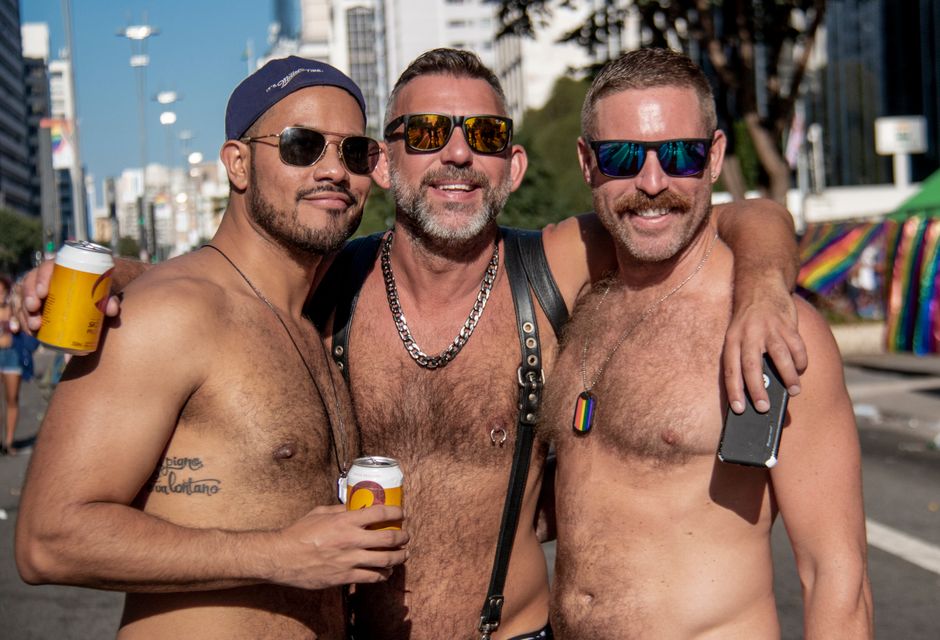
This October, Atlanta's largest LGBTQ celebration will debut a dedicated sports and recreation zone, bringing together queer athletes, teams, and fans for a weekend that goes far beyond the parade. The expansion signals a shift in how the city's Pride event engages its athletic community.
Community
This October, Atlanta's largest LGBTQ celebration will debut a dedicated sports and recreation zone, bringing together queer athletes, teams, and fans for a weekend that goes far beyond the parade. The expansion signals a shift in how the city's Pride event engages its athletic community.
#Atlanta Pride#sports#LGBTQ athletics#community events#flag football
V
Vivian Hernandez
Jun 5, 2026 · 4 min read
Share
X / Twitter
Facebook
Instagram
Threads
Reddit
LinkedIn
Copy Link
Email
The roar of a crowd, the smell of concessions, the unmistakable energy of people gathered around something they care about—these are the things that define sports fandom. This October, Atlanta Pride Festival is banking on the fact that queer people love sports just as much as anyone else, and the organizers are putting money and real estate behind that conviction.
For the first time, Atlanta Pride will feature a dedicated Sports Village, a multi-day activation that occupies its own footprint within the larger festival grounds. The space will host everything from flag football tournaments to volleyball competitions, showcase tables from local LGBTQ-affiliated sports leagues, and feature panels with queer athletes who've made their mark at regional and national levels.
It's a significant move for a festival that, while always inclusive of queer athletes, has historically centered its programming around music, art, and the main parade. The Sports Village represents an acknowledgment that Atlanta's LGBTQ community includes serious athletes, weekend warriors, and people who simply want to watch sports without constantly scanning the room for acceptance.
Atlanta's queer sports scene has grown quietly over the past decade. Recreational leagues for softball, basketball, and bowling have built steady followings. Social sports organizations have expanded their rosters. What's been missing is a major public platform where these athletes and teams could celebrate what they do without apology or explanation. Pride has always been about visibility, but visibility for queer athletes in Atlanta has often meant showing up to existing spaces rather than having dedicated ones created for them.
"We heard from community members that there was appetite for this," says a festival organizer involved in planning the Sports Village. "People wanted to see their teams represented, wanted to bring their families to watch games, wanted to know where other queer athletes were hanging out. The festival was already a place where that happened organically, but not in any structured way."
The flag football tournament will likely draw the most attention. Teams from across Georgia and neighboring states have already expressed interest in competing. Unlike traditional football, flag football is less about size and strength and more about speed, strategy, and coordination—a sport that's gained enormous popularity in queer communities nationwide. Atlanta's version will run over two days, with matches scheduled throughout the afternoon and early evening. Spectators can watch from bleachers set up specifically for the tournament, or grab food and drinks from nearby vendors and catch games casually.
Volleyball will occupy another corner of the Sports Village. A four-on-four tournament format keeps matches quick and engaging for both players and onlookers. The sport has deep roots in queer culture, dating back decades, and Atlanta's volleyball community—both the organized leagues and the beach players who gather informally—has been eager for a Pride platform.
There will also be a bowling section, though organizers are still finalizing details about whether that will involve actual lanes or a more casual social setup. A local bowling alley in the area has been in conversations with Pride organizers about logistics.
The showcase tables are perhaps the most important component, even if they lack the immediate spectacle of competition. Local LGBTQ sports organizations will staff booths where people can learn about joining leagues, upcoming seasons, and social events. For someone new to Atlanta or new to queer sports, these tables are often the entry point. They're where friendships start, where people discover community, where isolation transforms into belonging. The festival is essentially creating a marketplace of connection.
Panels featuring queer athletes will run throughout the weekend. Details about specific participants are still being finalized, but organizers have indicated they're targeting people with compelling stories—athletes who came out publicly, athletes who've advocated for trans inclusion in sports, athletes who've built coaching careers, athletes whose queer identity was never the biggest part of their story but is certainly part of it.
The timing of the Sports Village's debut is worth noting. Nationally, queer athletes and trans athletes in particular face increasing scrutiny and legal challenges. State legislatures are passing restrictive laws. Sports organizations are making policy decisions that affect trans participation. Meanwhile, community-level sports—the leagues where most people actually play—have become more inclusive and more visible. Atlanta Pride's decision to celebrate and amplify local queer sports feels like a deliberate counter-statement: this is where queer athletes belong, in their own communities, with their own people, without qualification.
Atlanta itself has a complicated relationship with sports. The city is home to professional teams across all major leagues, yet it's also a place where participation sports—the kind regular people play—have sometimes felt disconnected from the city's broader cultural identity. The queer sports community has built something different, something rooted in participation rather than spectatorship, in access rather than gatekeeping. The Sports Village is essentially bringing that ethos into the largest public gathering of LGBTQ people in Georgia.
For queer athletes in Atlanta, October's Pride Festival will feel different this year. They'll see themselves reflected not just in the crowd but in the official programming. They'll be able to compete, to watch, to belong without having to navigate spaces designed for everyone except them. They'll have a village of their own, right in the middle of the city.
Tags:#Atlanta Pride#sports#LGBTQ athletics#community events#flag football
About the Author
V
Vivian Hernandez
Staff writer at ThePinkPulse — covering LGBTQ+ news, culture, and community stories.
Support this writer
Enjoyed this story? Show Vivian Hernandez some love