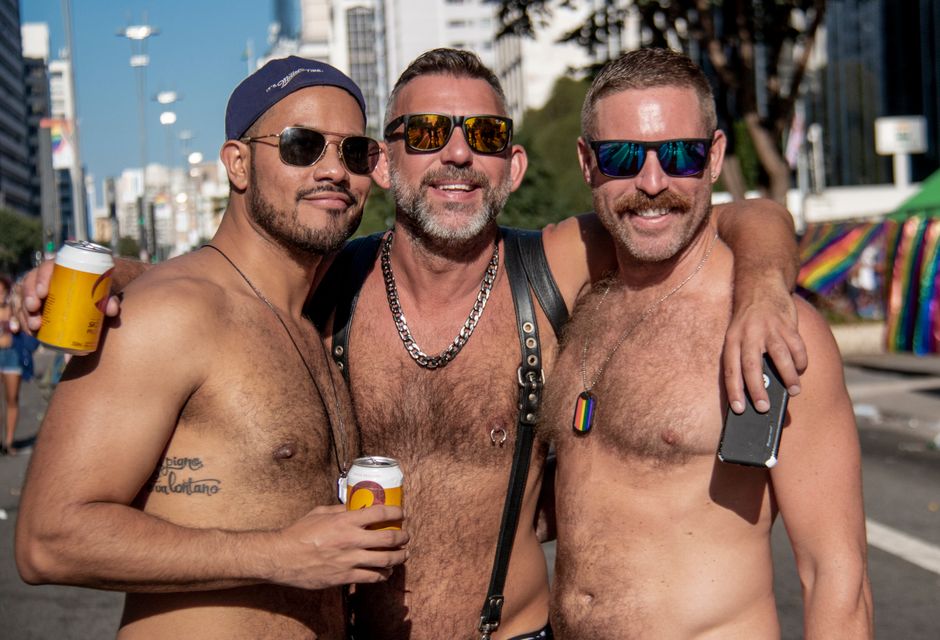
The Austin LGBTQ recreational sports league is launching its spring season with volleyball, softball, and flag football teams ready to compete. Here's what to expect from the city's most organized queer athletic community.
Community
The Austin LGBTQ recreational sports league is launching its spring season with volleyball, softball, and flag football teams ready to compete. Here's what to expect from the city's most organized queer athletic community.
#sports#lgbtq#austin#spring#recreation
M
Mia Greenwood
Jun 5, 2026 · 5 min read
Share
X / Twitter
Facebook
Instagram
Threads
Reddit
LinkedIn
Copy Link
Email
Every Sunday morning at Zilker Park, a group of Austin queers shows up to play flag football like their lives depend on it. The catches are real. The trash talk is legendary. The friendships that form on those fields stick around long after the season ends. This spring, the Austin LGBTQ recreational sports league is expanding its offerings and doubling down on what makes athletic community in this city different from the rest.
The league, which has operated in Austin for years, functions as both a competitive outlet and a social infrastructure for queer adults who might not otherwise cross paths. A software engineer playing flag football meets a nurse on a volleyball team. A teacher and a bartender discover they're both on the same softball roster. These aren't throwaway social connections—they're the backbone of how Austin's LGBTQ community actually sustains itself outside bars and Pride events.
"We're not here to be the best athletes in the city," one longtime league member explained. "We're here because we want to be around our people while doing something that matters. Competition is the excuse, not the point."
The spring season launches with flag football teams already forming rosters. Flag football in Austin has become the league's most popular sport, probably because it requires no prior experience, accommodates varying fitness levels, and delivers the kind of controlled chaos that makes for good stories afterward. Games happen Sunday mornings at Zilker, and the vibe is deliberately low-pressure despite the scoreboard. New players are actively recruited. Experienced players mentor without condescension. Teams rotate through fields, and the whole operation moves with the kind of efficiency that only happens when people actually care about showing up for each other.
Volleyball rounds out the spring schedule with indoor courts booked across Austin. The league maintains a mix of recreational and intermediate skill levels, which means players don't get locked into a single competitive tier. Someone can start in recreational volleyball, improve their game, and move up without the ego battles that plague some athletic communities. The league's structure acknowledges that people's lives change. Jobs shift. Injuries happen. Schedules get complicated. The response is flexibility, not punishment.
Softball teams typically dominate the league's summer season, but spring rosters are already being discussed. Austin's weather makes spring softball less forgiving than summer play—unpredictable rain, cooler temperatures, occasional wind that wreaks havoc on fly balls. Still, the season draws serious competitors alongside casual players who just want to be outside with friends.
What distinguishes this league from other recreational sports organizations in Austin is the explicit commitment to inclusion that doesn't stop at admitting LGBTQ players. The league actively recruits trans athletes, non-binary participants, and allies. Team captains receive education about pronouns and inclusive language. Bathrooms and changing facilities are treated as spaces where everyone should feel secure, not an afterthought. These policies exist because the league's leadership understands that athletic spaces have historically excluded queer people, and they're building something deliberately different.
The social component extends beyond games. Team dinners happen regularly. Post-game hangs at bars on Rainey Street or elsewhere in town become standing traditions. Players celebrate birthdays together, show up for each other during breakups, and maintain friendships that transcend the sport itself. One team has been playing together for over a decade, a remarkable stability in a city where people move constantly.
Registration for spring season is straightforward, and the league actively seeks new players. No tryouts. No cuts. The barrier to entry is genuinely low, which means people who've spent years avoiding sports because they feared judgment or exclusion suddenly find themselves on a field, discovering they actually enjoy competitive play in a context where their queerness isn't an obstacle but a shared foundation.
Austin's weather in spring makes outdoor sports manageable in ways that summer doesn't allow. By June, heat and humidity push games earlier in the morning or into evening slots. Spring offers a sweet spot where games can happen at reasonable hours without participants melting. The league capitalizes on this window, packing multiple sports into the season and maximizing participation.
The league also maintains connections with other LGBTQ athletic organizations across Texas. Players occasionally travel to Dallas or San Antonio for tournaments. These regional competitions create opportunities for friendships to extend beyond Austin's city limits, building a broader network of queer athletes across the state. The community strengthens when it connects outward.
For queer people in Austin who grew up being picked last in gym class, or worse—being excluded entirely because of who they were—the league represents something radical: a space where athletic participation isn't conditional on hiding. Where being trans doesn't mean sitting on the sidelines. Where being out isn't a liability. Where showing up and trying matters more than being the best.
The spring season represents renewal, which carries particular weight for LGBTQ communities. After months of winter, people are ready to move, to be outside, to reconnect with others. The league provides structure and purpose for that impulse. Games happen. Friendships deepen. New people discover that athletic community can actually be theirs.
Austin's queer sports league operates on a simple principle: show up, play hard, treat people well, and stick around. The spring season is when that principle gets tested and renewed, when new players join and returning veterans remember why they keep coming back. It's not complicated. It's just people who understand that sometimes the most radical thing you can do is play a game with your community on a Sunday morning and call it what it is: belonging.
Tags:#sports#lgbtq#austin#spring#recreation
About the Author
M
Mia Greenwood
Staff writer at ThePinkPulse — covering LGBTQ+ news, culture, and community stories.