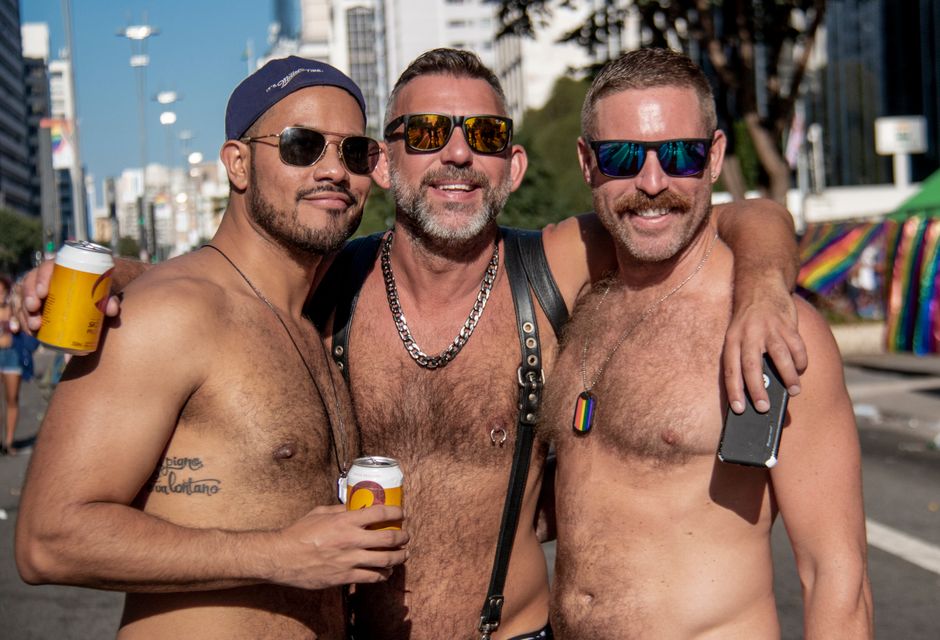
The International Imperial Court System's Las Vegas chapter raises thousands annually for local LGBTQ causes through drag pageantry and community organizing. This year's fundraiser benefits organizations fighting immigration detention and supporting trans youth.
Community
The International Imperial Court System's Las Vegas chapter raises thousands annually for local LGBTQ causes through drag pageantry and community organizing. This year's fundraiser benefits organizations fighting immigration detention and supporting trans youth.
The stage at a downtown Las Vegas venue fills with sequins, feathers, and the kind of theatrical energy that only decades of queer tradition can produce. This is the International Imperial Court System at work—an institution that has quietly sustained LGBTQ community fundraising and mutual aid across North America for fifty years, with Las Vegas playing an increasingly central role in its mission.
The Imperial Court isn't a single organization but rather a loosely connected network of drag performance troupes and community leaders organized around a rotating "emperor" and "empress" system. Each year, Las Vegas's chapter coordinates a series of fundraising events and pageants that generate thousands of dollars for local LGBTQ causes. The specifics shift annually based on community need, but the structure remains constant: elaborate drag performances, community voting, and a commitment to direct action and financial support for people in crisis.
This year, the Las Vegas chapter is directing fundraising efforts toward two distinct causes. The first is immigration detention support—specifically, aid for LGBTQ people caught in ICE custody who face particular vulnerabilities in the federal detention system. The second is local trans youth services, including support for young people navigating medical transition, family rejection, and housing instability. Both causes reflect real, immediate needs in Las Vegas's LGBTQ community.
The immigration piece is not abstract. Las Vegas sits roughly 400 miles from the California border and serves as a hub for people moving between the Southwest and the rest of the country. When LGBTQ immigrants face detention—whether due to visa status issues, green card complications, or other immigration matters—they often end up in facilities far from their support networks. The Imperial Court's fundraising goes directly to bail funds, legal support, and post-release aid for detained community members.
While outlets like the Washington Blade have covered immigration detention as a national policy issue, the real work of keeping people alive and out of cages happens locally. Las Vegas's chapter understands this. The money raised at their events doesn't disappear into a national nonprofit bureaucracy; it goes to specific individuals with specific needs, processed through community networks that know those people by name.
The trans youth component of this year's fundraising addresses a different but equally urgent crisis. Las Vegas has a significant trans youth population, many of whom face family homelessness after coming out. Local organizations working with trans young people have documented housing instability, lack of access to gender-affirming healthcare, and severe mental health crises. The Imperial Court's contribution directly funds services that fill gaps in existing social services—emergency housing vouchers, healthcare navigation support, and peer support groups.
The Imperial Court's fundraising model relies on the performance tradition itself. Drag pageants, costume contests, and performance competitions draw crowds of hundreds, with ticket sales and donations funding the cause. The pageants also serve a social function beyond money-raising: they create visibility for the court's leadership and provide performance opportunities for queer people across the gender spectrum. The titles—emperor, empress, and various specialty crowns—come with genuine community recognition and responsibility.
What makes the Las Vegas chapter distinct is its willingness to adapt its fundraising focus to local conditions rather than defaulting to national LGBTQ causes. The chapter meets regularly to assess community needs, consult with local organizations serving LGBTQ people, and determine where money can have the most direct impact. This responsiveness has made the Imperial Court a trusted institution within Las Vegas's LGBTQ networks, not just a party venue.
Supporting the Imperial Court's work is straightforward. The chapter coordinates regular fundraising events throughout the year—primarily drag pageants and community gatherings that function as both social occasions and fundraisers. Attending these events directly supports the cause; ticket sales and door donations go toward the identified community needs. For people unable to attend events, direct donations to the Las Vegas chapter are possible through community organizations working on immigration and trans youth issues.
The beauty of the Imperial Court system is that it refuses to separate entertainment from activism. The sequins and theatrical excess aren't window dressing for serious work—they are the serious work. Drag performance has always been a form of resistance and community building for queer people. The Imperial Court harnesses that tradition explicitly, transforming entertainment into resource generation for people in crisis.
Las Vegas's queer community has a particular relationship with the Imperial Court. The city's history of underground gay culture, its role as a destination for queer people seeking anonymity and freedom, and its current status as a major LGBTQ population center all converge in the court's work. The chapter operates at the intersection of Vegas's party culture and its genuine mutual aid networks—using one to fund the other.
The 2024 fundraising cycle represents an important moment for the court's work. Immigration detention and trans youth homelessness are not problems that will solve themselves. Federal policy shifts unpredictably. Local services remain underfunded. In this context, the Imperial Court's commitment to direct resource transfer—from people with money to people in need, with minimal administrative overhead—matters deeply.
The next fundraiser is an opportunity to participate in a tradition that stretches back decades while supporting immediate, concrete community needs. It's also a chance to witness queer Las Vegas at its most unapologetically itself: theatrical, generous, and utterly committed to keeping its own alive.