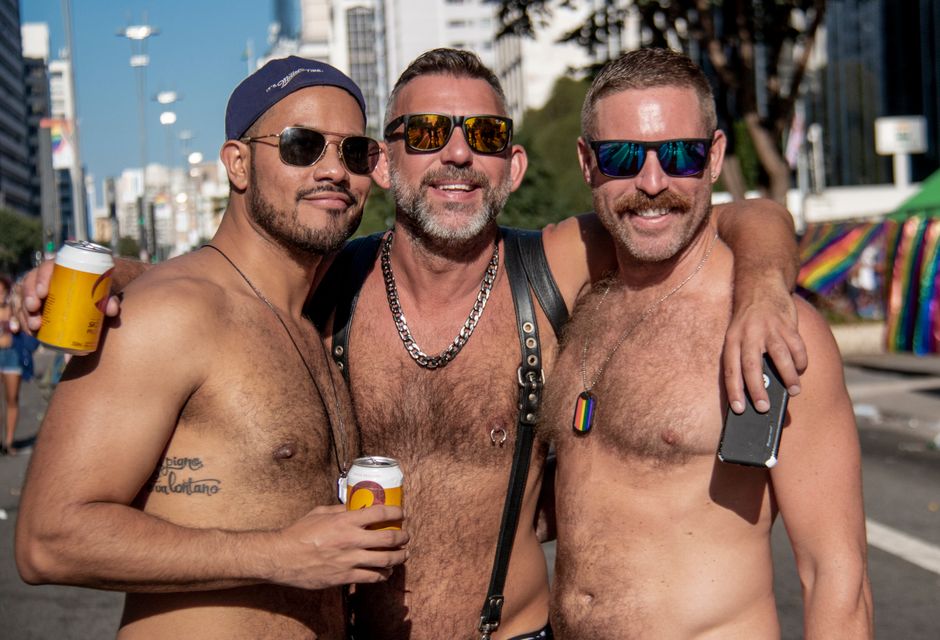
Las Vegas Pride Festival Returns With Expanded Footprint
After a year of scaled-back celebrations, Las Vegas Pride is reclaiming Downtown with a two-day festival that stretches across multiple blocks and brings back the parade route locals thought they'd lost. Organizers are banking on the return to signal something bigger: that this city's queer community isn't shrinking, it's regrouping.
Community
After a year of scaled-back celebrations, Las Vegas Pride is reclaiming Downtown with a two-day festival that stretches across multiple blocks and brings back the parade route locals thought they'd lost. Organizers are banking on the return to signal something bigger: that this city's queer community isn't shrinking, it's regrouping.
#Las Vegas Pride#downtown Las Vegas#LGBTQ events#community organizing
D
Derek Wilson
Jun 7, 2026 · 4 min read
Share
X / Twitter
Facebook
Instagram
Threads
Reddit
LinkedIn
Copy Link
Email
The parade route down Las Vegas Boulevard has been cordoned off before. What's different this year is that organizers are betting the community still shows up when the city's infrastructure finally catches up to its ambitions.
Las Vegas Pride 2024 unfolds across two days in downtown Las Vegas with the parade, live entertainment, vendor booths, and community organizations occupying the same stretch of street that used to feel routine and now feels like a reclamation project. The festival represents the first full-scale return to the traditional format after years of pandemic disruptions and venue complications that forced organizers to get creative about where and how Las Vegas's largest queer gathering could actually happen.
The logistics alone tell a story about how much the community has had to fight for visibility in a city that markets itself as anything goes. Downtown Las Vegas has long been the geographic and spiritual center of queer life in the valley—it's where the bars cluster, where history lives in the bones of old casinos, where transgender sex workers have worked the same blocks for decades, where drag queens have run circles around tourists since before the internet made it fashionable. Yet hosting a major Pride festival there requires negotiating with city planners, business improvement districts, and the kind of bureaucratic machinery that doesn't move fast or without friction.
This year's festival is being organized by a coalition that includes longtime community advocates who've been running Pride events in Las Vegas for years, often with minimal city support and maximal community labor. They've secured permits for street closures, coordinated with local bars and restaurants to extend their outdoor spaces, and lined up performers and speakers who actually live in Las Vegas rather than flying in for a one-night appearance. That distinction matters. Booking local talent means the money stays here, and it means the celebration reflects what queer Las Vegas actually looks like rather than what some national touring circuit thinks it should look like.
The parade itself kicks off in the morning, moving south through downtown with contingents from the major gay bars on Wilton Drive and in the downtown corridor, floats from local LGBTQ nonprofits, and marching groups from community organizations. Police and fire departments typically participate, which in Las Vegas means something different than in other cities—the relationship between law enforcement and queer communities here is complicated by decades of police action against transgender women and sex workers on the very streets the parade travels through. Some community members actively protest police participation. Others see it as a necessary pragmatism. The tension is real and the festival organizers don't pretend otherwise.
What makes this year's event different beyond the parade's return is the expanded vendor area. Local drag performers are running booths alongside nonprofits focused on HIV prevention and testing. Small business owners who cater to the queer community have secured spots. The kind of economic activity that used to happen primarily inside bars on a single night is now spread across two days and multiple blocks, which means more people can participate without having to spend money at venues, which matters for people with limited income or who don't drink.
The entertainment lineup includes performances from drag queens who've built their entire careers in Las Vegas rather than touring through. It includes local musicians and DJs whose names are known in the bars and clubs but rarely make it into broader media coverage. It includes community speakers whose work—harm reduction, housing advocacy, trans health access—doesn't make headlines but keeps people alive.
The festival runs from afternoon into evening both days, which is a deliberate choice. Afternoon hours mean families can attend. Older queer folks who don't stay out past midnight can participate. The programming is structured to be intergenerational in a way that most nightlife-focused Pride events simply aren't.
There's also a deliberate emphasis on acknowledging Las Vegas's specific queer history. Downtown isn't just where Pride happens—it's where queer Las Vegas has always lived, worked, survived, and thrived, often invisibly to the broader city. The festival organizers have made space for historians and archivists to share stories about the bars that used to be there, the performers who defined eras, the people who were arrested and harassed and who kept showing up anyway. That's not sentimental nostalgia. It's a political act in a city that prefers to erase its own history in favor of the next big thing.
The logistics are still complicated. Street closures require coordination with traffic management. Vendor fees have to be affordable enough that community organizations can participate. Sound permits limit what performances can happen and when. The city's tourism infrastructure is built around moving people into casinos, not gathering them on streets for political expression. Every element of the festival requires negotiation with systems that weren't designed with queer community needs in mind.
Yet the festival persists. It comes back. It gets bigger in some ways and smaller in others, reflecting where the community actually is rather than where organizers wish it would be. This year's return to the full parade format signals that Las Vegas's queer community has decided it's worth the fight to claim this particular street, this particular time, as belonging to them. In a city obsessed with erasure and reinvention, that's the most radical thing a Pride festival can do.
Tags:#Las Vegas Pride#downtown Las Vegas#LGBTQ events#community organizing
About the Author
D
Derek Wilson
Staff writer at ThePinkPulse — covering LGBTQ+ news, culture, and community stories.