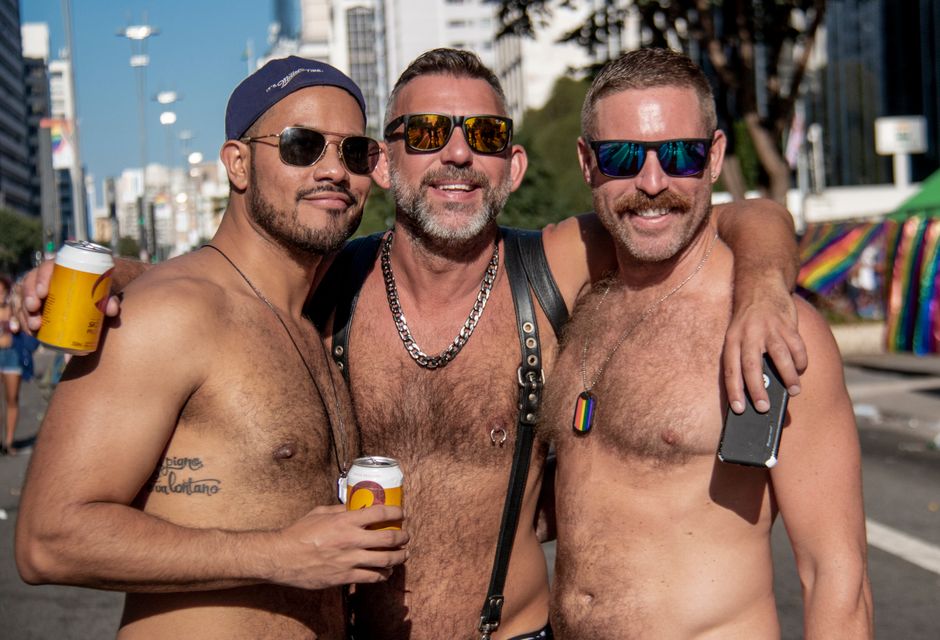
A new generation of openly gay and trans athletes is reshaping Los Angeles sports, from amateur leagues to professional rosters. They're not waiting for permission—they're rewriting the rules.
Community
A new generation of openly gay and trans athletes is reshaping Los Angeles sports, from amateur leagues to professional rosters. They're not waiting for permission—they're rewriting the rules.
#LGBTQ athletes#Los Angeles sports#soccer#inclusion#queer community
D
David Brown
Jun 6, 2026 · 5 min read
Share
X / Twitter
Facebook
Instagram
Threads
Reddit
LinkedIn
Copy Link
Email
On any given Saturday morning, a soccer pitch in Los Angeles fills with players who've spent years hiding parts of themselves. Now they're running harder than ever, but for a different reason: they're finally running as themselves.
The rise of openly LGBTQ athletes in Los Angeles represents something more than representation—it's a fundamental shift in how the city's sports culture operates. While national headlines fixate on culture war battles and legislative crackdowns in other states, Los Angeles has quietly become a place where queer athletes can actually build careers, join teams, and compete without their sexuality becoming the story.
That wasn't always the case. Even a decade ago, the calculus for LGBTQ athletes in LA was brutal. Stay closeted or face isolation. Keep your head down or become a lightning rod. The informal rules were everywhere, even if nobody spoke them aloud. Teammates would exchange looks. Coaches would make "jokes." Opponents would test you differently. The psychological toll was immense—not because of overt discrimination necessarily, but because of the constant surveillance of self.
Today's landscape looks different, though it's far from perfect. LA has become home to several LGBTQ-focused recreational sports leagues that operate with genuine infrastructure and community backing. These aren't afterthoughts or charity cases. They're legitimate athletic organizations where players show up to compete seriously, to improve, to win.
What's shifted is partly demographic. Los Angeles has always attracted queer people seeking reinvention and escape from smaller towns. But what's new is that some of those people now want to stay in sports instead of choosing between their identity and their athletic life. They're also aging up—many are in their thirties and forties, established in their careers and their identities, refusing to compartmentalize anymore.
Joe Martinez, a midfielder for one of LA's gay soccer leagues, spent his twenties playing on straight teams while maintaining an exhausting double life. "I was good at soccer," he says, "but I was better at pretending." At 34, he switched to playing on a team where everyone knew he was gay and nobody cared. "The irony is I'm a better player now," he says. "When you're not managing your identity, you have more mental space for the actual game."
That phenomenon—queer athletes actually performing better once they stop hiding—should be obvious, but it's rarely discussed in mainstream sports coverage. The energy spent on concealment is enormous. The relief of dropping that weight is palpable. LA athletes report faster reaction times, better communication with teammates, and genuine joy in competition for the first time in years.
The professional sphere has moved slower. LA's major league teams—the Dodgers, Lakers, Rams, Galaxy—have made public gestures toward inclusion. Pride nights happen. Rainbow flags appear. But the actual number of openly gay and trans athletes on rosters remains vanishingly small. The culture within professional locker rooms, particularly in football and baseball, hasn't transformed as dramatically as recreational sports have. Money, tradition, and old power structures move slowly.
Yet even there, cracks are widening. Players on LA teams have come out during their careers. Front offices have hired openly gay staff in visible roles. The conversation isn't happening just at the margins anymore. A player on a local professional team recently spoke to a reporter about the importance of seeing himself reflected in his sport. That wouldn't have happened five years ago.
What's particularly interesting about Los Angeles is the city's general indifference to manufactured outrage. In other cities, a player coming out becomes a referendum on morality and tradition. In LA, it's often treated as news for about forty-eight hours, then life moves on. That relative cultural indifference is actually liberating. It means athletes can exist without becoming symbols or martyrs or cautionary tales. They can just be athletes who happen to be queer.
The recreational leagues have become spaces where something more radical is happening. Teams are integrated across gender lines in ways that force people to rethink assumptions about athletic ability and body type. Trans athletes are competing openly. Nonbinary people are playing alongside straight allies who showed up because they wanted to play good soccer, not because they were making a political statement. The politics happen by accident, through the simple fact of existing together.
Coaches and league organizers have had to develop actual policies around inclusion rather than relying on "just be cool about it" vibes. That's hard work. It means addressing harassment when it happens. It means having uncomfortable conversations. It means sometimes telling people who've been in the community for years that their language is outdated. But it also means building something that actually functions.
One of the most significant developments is the emergence of trans male athletes in competitive leagues. They've had to navigate complex questions about fairness and biology while also just wanting to play their sport. Some leagues have developed thoughtful policies based on hormone levels and time in transition rather than blanket rules. Other leagues are still figuring it out. But the fact that the conversation is happening locally, with input from the athletes themselves, represents genuine progress.
The young queer athletes coming up in Los Angeles now have role models. They see people they recognize playing on teams, competing seriously, being respected for their athletic ability. That changes the calculus entirely. Instead of a choice between identity and sport, they get to integrate both. They get to play as themselves from the start.
That's not a small thing. In conservative states right now, LGBTQ kids are losing sports opportunities. They're being forced into impossible choices. Meanwhile in Los Angeles, a kid can grow up in a system where being queer and being an athlete aren't contradictory. That's not just better for individuals—it's better for the actual quality of sports, because it means more talent, more diversity of body types and strategies, and teams that function as genuine communities rather than collections of people hiding parts of themselves.
The work isn't done. Professional sports in LA still have distance to travel. Harassment still happens in recreational leagues. Transphobia exists. But the trajectory is clear. Los Angeles is becoming a place where queer athletes don't have to choose.
Tags:#LGBTQ athletes#Los Angeles sports#soccer#inclusion#queer community
About the Author
D
David Brown
Staff writer at ThePinkPulse — covering LGBTQ+ news, culture, and community stories.