Portland's Trans Youth Rally Draws Hundreds to City Hall
On a gray March afternoon, Portland's trans community and their allies packed City Hall to demand the state protect medical privacy. The gathering was part of a broader resistance movement—one that national outlets are only beginning to cover.
Community
On a gray March afternoon, Portland's trans community and their allies packed City Hall to demand the state protect medical privacy. The gathering was part of a broader resistance movement—one that national outlets are only beginning to cover.
On a gray March afternoon, Portland's trans community and their allies packed City Hall to demand the state protect medical privacy. The gathering was part of a broader resistance movement—one that national outlets are only beginning to cover.
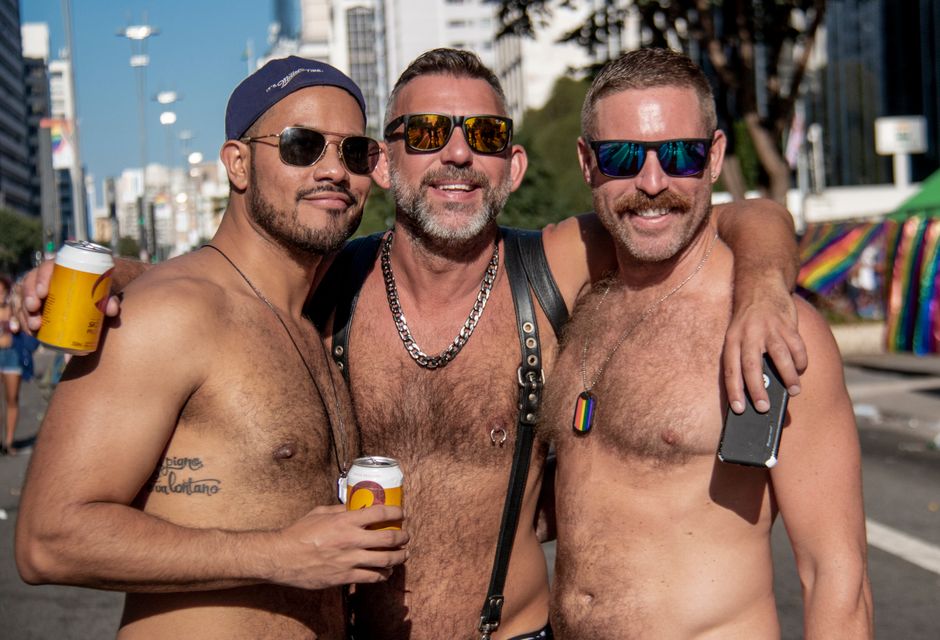
The event drew hundreds of people, from teenagers in their first Pride outfits to grandparents holding hand-painted signs. The energy was urgent but not panicked—people knew what was at stake, and they showed up anyway. This is what local resistance looks like in Portland right now: unglamorous, determined, and absolutely necessary.
The rally centered on a specific threat. The Trump administration, backed by a federal court order from a Texas judge, has been demanding that states surrender private medical records of trans youth. While outlets like the Washington Blade were covering the national story, here in Portland the real work was happening on the ground: organizing, showing up, making noise in the corridors of power that actually affect people's lives.
Oregon's Attorney General made clear the state would not comply with the demand. That statement alone might sound like bureaucratic routine to people outside Portland, but for the trans teenagers and young adults gathered at City Hall, it meant something concrete. It meant their doctors' files wouldn't be handed over to federal authorities. It meant the state was drawing a line.
Portland's trans community has spent years building infrastructure for exactly this moment—the kind of moment when you need to mobilize fast and you need people to show up. That infrastructure was visible in the crowd. There were representatives from local youth organizations, community health centers that serve trans patients, and grassroots groups that operate mostly through word-of-mouth and social media. They weren't wearing matching t-shirts or carrying professionally printed materials. They were there because they'd been called, because they understood the stakes, because this is their city and these are their people.
One speaker after another took the mic to explain what medical privacy means in practical terms. A parent talked about her trans son's right to confidentiality—the same confidentiality that straight kids get without question. A healthcare provider discussed how fear of government surveillance keeps trans youth from seeking care, which means infections go untreated, mental health crises go unaddressed, and people suffer in silence. These weren't abstract arguments. They were rooted in what Portland's trans people have experienced, what they fear, what they've already lost.
The rally also served as a reminder of Portland's particular position in the current political moment. Oregon's state government has been clear about its stance on trans rights. That clarity matters. It creates a buffer, however temporary, for the people who live here. But buffers can be fragile, and everyone at City Hall understood that. The federal government's demand wasn't random. It was targeted. And if Oregon gave in, other states would follow, and the precedent would ripple outward.
What struck observers was the intergenerational nature of the gathering. Older queer people who'd lived through the AIDS crisis and the early years of marriage equality stood beside teenagers for whom trans rights have always been central to their understanding of queerness. There was no sense of one generation lecturing another. Instead, there was a kind of mutual recognition: we've fought before, we're fighting now, we'll fight again if we have to.
The city's leadership showed up, too. That matters in a place like Portland, where elected officials have largely aligned themselves with LGBTQ protections. But alignment on paper and alignment in the streets are different things. The presence of city council members and state legislators at City Hall wasn't theater—it was a signal that this issue has political weight in Portland, that ignoring it would have consequences.
The rally also revealed something about how Portland's trans community operates. There's no single organization running the show. Instead, there's a network of groups—some formal, some loose collectives—that coordinate when necessary and operate independently otherwise. That distributed model has advantages. It's harder to disrupt, harder to co-opt, and it reflects the reality that trans people in Portland aren't monolithic. They have different needs, different priorities, different ways of understanding resistance.
For anyone paying attention to national LGBTQ politics, Portland's rally was a case study in how local power actually works. The federal government makes demands. States respond. Cities and organizations mobilize. People show up. The arc of that process isn't guaranteed to bend toward justice—but without the showing up, without the local infrastructure, without the willingness to pack a room on a gray afternoon, it definitely won't.
The question now is what comes next. The state has said it won't comply with the federal demand. But the Trump administration has shown it's willing to push, to litigate, to weaponize the courts against trans people. Portland's trans community and their allies will need to stay organized, stay visible, stay ready to fill City Hall again if necessary. The rally wasn't a victory lap. It was a statement of intent: we live here, we're not going anywhere, and we're watching.
For the trans teenagers who stood in that crowd, for the parents and grandparents and friends who came to support them, the afternoon meant something specific. It meant that their city had their back—at least for now, at least in this moment. In the current political climate, that's not a small thing. It's everything.