sitges' queer carnival sets the stage for summer fun
Under the golden glow of the setting sun, Sitges’ narrow cobblestone streets pulse with the rhythm of a million feet and the hum of electric guitars. A kaleidoscope of colors—both literal and metaphorical—swirl through the air like confetti, caught by the salty breeze that carrie
entertainment
Under the golden glow of the setting sun, Sitges’ narrow cobblestone streets pulse with the rhythm of a million feet and the hum of electric guitars. A kaleidoscope of colors—both literal and metaphorical—swirl through the air like confetti, caught by the salty breeze that carrie
Z
Zoe Ramos
Jun 5, 2026 · 5 min read
Share
X / Twitter
Facebook
Instagram
Threads
Reddit
LinkedIn
Copy Link
Email
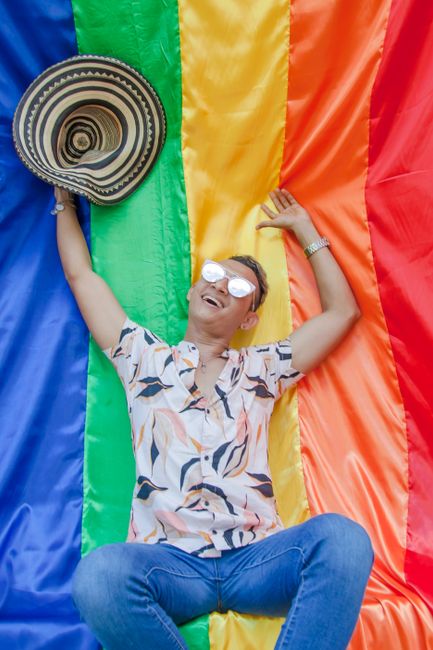
Under the golden glow of the setting sun, Sitges’ narrow cobblestone streets pulse with the rhythm of a million feet and the hum of electric guitars. A kaleidoscope of colors—both literal and metaphorical—swirl through the air like confetti, caught by the salty breeze that carries whispers of the sea. Every corner teems with energy, as if the very fabric of the town is alive, ready to embrace the festivities that are about to unfold. The queer carnival in Sitges is more than just a festival; it’s a statement. It’s a declaration of joy and defiance, a rebellion against the mundane norms that often confine us. For LGBTQ+ people around the world, this event isn’t merely entertainment—it's a form of liberation, a space where we can be our true selves without fear of judgment or rejection. The stakes are high because these few days in Sitges mirror the struggle for acceptance and equality that extends far beyond its shores. At the heart of it all is the iconic Sitges Carnival Parade, a spectacle of glitter and grit that has been a cornerstone of LGBTQ+ culture since 1972. As I stroll through the crowd with my camera, capturing the energy, I run into Maria, a radiant drag queen who’s just finished her performance at one of the many pop-up bars lining the main street. “This is where we come to reclaim our stories,” she says with a laugh, her voice echoing with a mix of pride and defiance. The parade’s floats are a testament to this spirit—each one a vibrant tableau that reimagines history through a queer lens, from Frida Kahlo to Freddie Mercury. But the carnival isn’t without its complications. As much as Sitges celebrates difference and diversity, it also highlights the challenges faced by marginalized communities within even the most accepting of spaces. I meet up with Alex, a local LGBTQ+ activist who’s been working on ensuring that this year’s event is inclusive for all attendees, regardless of their economic status. “It’s important to acknowledge that while Sitges prides itself on its welcoming atmosphere, there are still those who might not have the means to fully participate,” he says, gesturing towards a group of young women huddled around a food truck offering vegan tamales. The contrast is stark—on one hand, the spectacle and joy; on the other, the struggle for basic access. For the reader looking to experience this vibrant scene, I’d recommend starting with the opening hours of the main parade. Grab your ticket in advance (prices vary but are reasonably affordable), and arrive early enough to secure a spot where you can fully appreciate the spectacle. Don’t miss out on trying some of the local delicacies at the food stalls; they range from traditional Spanish dishes to creative fusion cuisine that reflects Sitges’ unique blend of cultures. As the night deepens, head over to one of the many LGBTQ+ clubs in the neighborhood. La Carihuela, a cozy bar known for its drag shows and live music, is a must-visit. The atmosphere here is warm and welcoming, filled with laughter and the sound of heels clicking on polished wooden floors. It’s the kind of place where you can truly let your guard down. The close of the evening finds me back at the beach, watching as the last rays of sunset paint the sky in hues of orange and pink. The crowd disperses slowly, but the energy lingers, carried away by the cool night breeze. This isn’t just a celebration; it’s a reminder that while we have come far, there is still much work to be done. As I make my way back home through the quiet streets, I can’t help but think of Maria’s words: “This is where we reclaim our stories.” And for one magical week in Sitges, they do just that.
As I wander through the narrow alleys after the parade, I find myself at El Faraón, an old cinema transformed into a makeshift screening room for LGBTQ+ films. The walls are adorned with posters of classic queer movies, and the air is filled with the scent of popcorn. A group of young attendees gather around the screen, eagerly awaiting the start of their chosen film. The cinema feels like a small sanctuary within this vast celebration. Maria introduces me to Sofia, a filmmaker who’s showcasing her latest documentary about the LGBTQ+ community in Sitges. “This festival is not just about having fun; it’s also about storytelling and giving a voice to those whose stories might otherwise go untold,” she says, her eyes reflecting both passion and purpose. The screening begins with a clip from *Paris is Burning*, followed by Sofia’s film, which captures the vibrant spirit of Sitges through intimate interviews and stunning footage. After the film, we step outside into the cooler evening air, where I’m greeted by the sound of live music from La Lluna, a cozy bar just down the street. The neon sign flickers in rhythm with the beat, drawing in revelers who are already well into their night. Inside, the atmosphere is electric, filled with the mingling sounds of laughter and conversation. I catch up with Alex again, who’s now coordinating a flash mob outside La Lluna. “We want to celebrate diversity and inclusion by bringing people together through dance,” he explains as we watch the crowd begin to gather around us. The energy builds quickly as performers take the stage, their movements fluid and expressive. It’s a testament to the power of community and shared experience. As the night draws to a close, I find myself standing on the beach again, this time watching the full moon rise over the Mediterranean. The sky is painted with stars, and the sea reflects them like scattered diamonds. The crowd has thinned out, but there’s still a palpable sense of magic in the air. I think about all that I’ve witnessed—celebrations, struggles, joy, and resilience. For many, Sitges isn’t just a destination; it’s a beacon of hope and a place where they feel truly seen and heard. As I make my way home under the moonlight, I’m filled with gratitude for this experience, knowing that these few days in Sitges are part of something much larger—a global movement towards acceptance and equality.
About the Author
Z
Zoe Ramos
Staff writer at ThePinkPulse — covering LGBTQ+ news, culture, and community stories.