The Mission District remains San Francisco's most visibly queer neighborhood, but gentrification and rising rents are forcing longtime LGBTQ institutions and residents out. What stays, what's leaving, and what it means for the community.
Community
The Mission District remains San Francisco's most visibly queer neighborhood, but gentrification and rising rents are forcing longtime LGBTQ institutions and residents out. What stays, what's leaving, and what it means for the community.
#Mission District#gentrification#queer culture#housing#LGBTQ history
H
Hannah Taylor
Jun 7, 2026 · 5 min read
Share
X / Twitter
Facebook
Instagram
Threads
Reddit
LinkedIn
Copy Link
Email
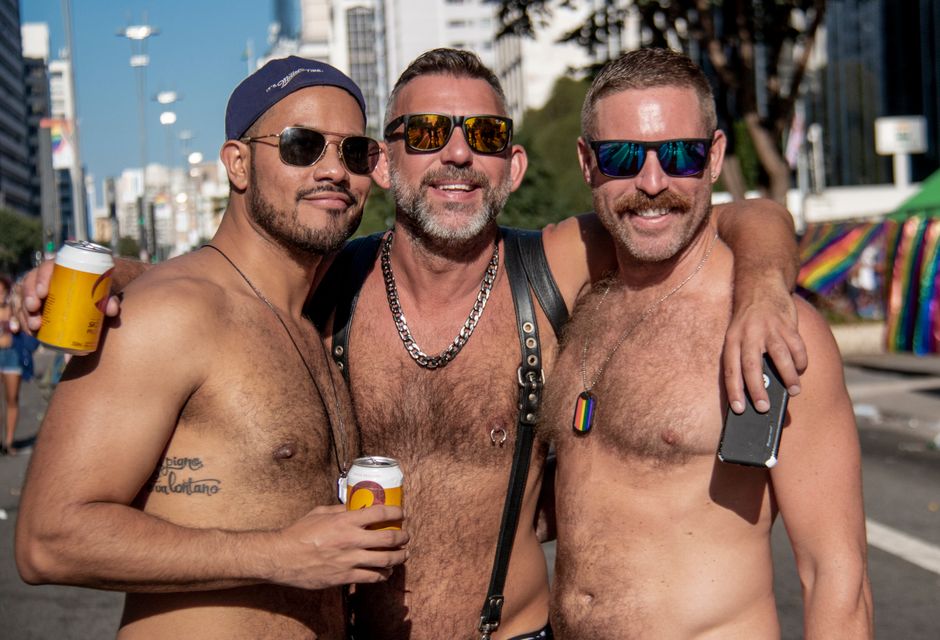
On a Friday night, the Mission pulses with the kind of sexual and gender diversity that makes San Francisco's reputation as a queer city actually mean something on the ground. Walk down Valencia Street and you'll see drag queens smoking outside bars, trans folks clustered on corners, butches in leather, femmes in heels, and everyone in between moving through the neighborhood like they own it—which, increasingly, they don't.
The Mission has been San Francisco's most visibly queer neighborhood for decades, the place where LGBTQ people came when they couldn't live openly elsewhere, where they built institutions, culture, and community. But the Mission is also the most expensive neighborhood in the city right now, and that equation—queerness plus visibility plus cultural cachet plus location—has made it a target for real estate speculation. Long-term queer residents and business owners are being displaced at accelerating rates. The neighborhood that gave San Francisco its queer identity is being hollowed out by the very visibility that made it matter.
This isn't abstract. It's happening in real time, in specific buildings, to specific people.
Consider the bars. The Mission has always had bars—they were where queer people gathered when they couldn't gather anywhere else, where community formed, where identity got forged in conversation and connection. A bar on Valencia Street still draws a mixed crowd of queer folks every night, bodies pressed together in the kind of intimate chaos that defines San Francisco's queer nightlife. But the landlords know what the real estate is worth now. Rents spike. Bars close. New ones open briefly before the cycle repeats.
The same pressure hits restaurants and cafes. A Cuban spot in the area has served the neighborhood for years, feeding queer folks and families and workers. These places matter because they're where community happens—not in some abstract sense, but in the actual gathering of bodies, the repetition of showing up, the relationships that form across a counter or a table. When they disappear, something material disappears with them.
The Mission's queer history is also its Latino history, and increasingly those are being treated as separate stories. But they're not. The neighborhood's queerness was always entangled with its Latinidad. Many of the earliest visible queer communities in San Francisco were queer Latinos. The drag culture, the street life, the particular flavor of queer politics that emerged here—all of it was shaped by Latino culture, by immigrant communities, by working-class people of color. That intersection is what made the Mission distinctive. That intersection is what's being erased.
Real estate speculation doesn't care about history. It cares about square footage and projected returns. A landlord doesn't see a queer bar as a cultural institution; they see a tenant paying below-market rent in a building that could generate much higher revenue. The logic is relentless. The building on 16th Street that housed a queer business for twenty years gets sold to developers. The longtime tenant can't match the new asking price. The space sits empty for months while the developer figures out what to put there—usually something more profitable, something aimed at the new residents moving in, something with less history and less community attachment.
What makes this moment particularly grim is that the Mission's visibility as a queer neighborhood is what's being used to justify its transformation. The neighborhood is desirable precisely because it has queer culture, queer nightlife, queer residents. But that desirability is being weaponized against the very people who created it. The neighborhood becomes a commodity. The queerness becomes an aesthetic, a marketing tool. Real queer people—especially queer people of color, especially queer immigrants, especially queer people without significant wealth—become obstacles to the neighborhood's "development."
So what remains? What's worth paying attention to?
First: the street life itself. The Mission's queerness isn't confined to buildings or businesses. It's in the way people move through the neighborhood, in the conversations on corners, in the drag queens who still work the streets, in the sex workers and street queens and trans folks who occupy public space with a kind of defiant visibility. This is the most threatened form of queer culture because it's the hardest to monetize and the easiest for police to target. But it's also the most real, the most rooted in actual queer survival and community care.
Second: the restaurants and bars that have managed to stay, that have built enough community loyalty to survive rent increases, that continue to function as gathering places. These aren't museums. They're not preserving the past. They're actively maintaining the present, the ongoing possibility of queer people gathering in shared space.
Third: the political organizations and mutual aid networks that have formed in response to displacement. The Mission has always been a place where queer politics get forged. That continues, even as the neighborhood changes. Queer folks in the Mission are organizing around housing, around police violence, around immigration, around the specific ways that gentrification affects queer communities of color.
Here's the insider reality that most coverage misses: the queer community in the Mission isn't disappearing because it wants to. It's being forced out. And the people being forced out are the ones who built the culture that made the neighborhood matter in the first place. The drag queens, the trans folks, the queer immigrants, the sex workers, the people without generational wealth—they're the ones losing ground.
The Mission will probably remain visibly queer for a while. The reputation is too established, the cultural momentum too strong. But it will be a different kind of queerness—more affluent, more assimilated, more palatable to the people moving in. The queer culture that made San Francisco actually queer, that insisted on visibility and refusal and radical difference, that culture is being systematically displaced. The neighborhood that was supposed to be a haven is becoming a monument to the queer people it no longer has room for.
Tags:#Mission District#gentrification#queer culture#housing#LGBTQ history
About the Author
H
Hannah Taylor
Staff writer at ThePinkPulse — covering LGBTQ+ news, culture, and community stories.