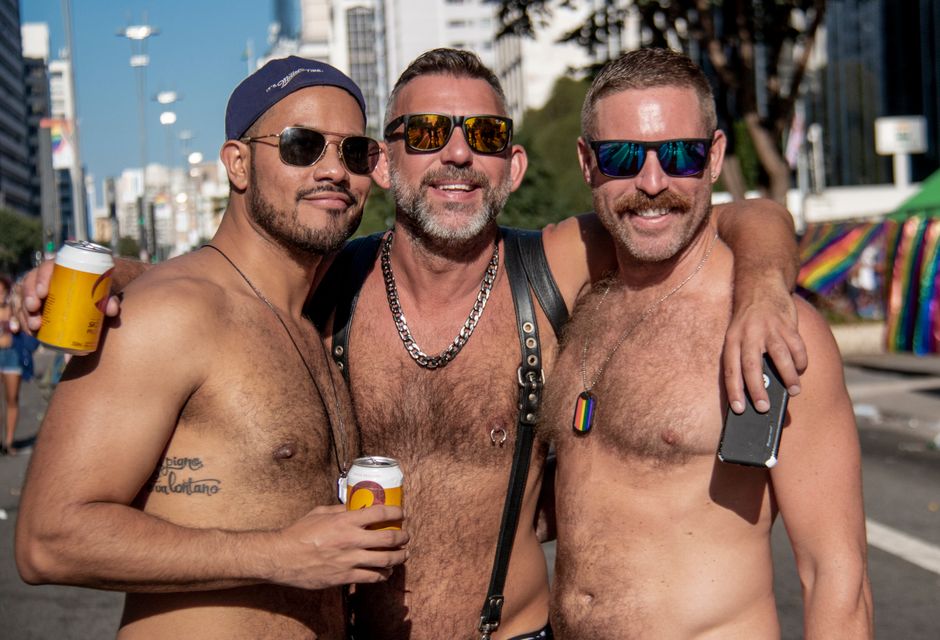
While Florida strips Pride funding and Christian schools dodge trans athletes, West Hollywood remains the place where LGBTQ Los Angeles still shows up, still organizes, still refuses to disappear. The neighborhood's institutions—bars, nonprofits, community centers—are aging but unshakeable.
Community
While Florida strips Pride funding and Christian schools dodge trans athletes, West Hollywood remains the place where LGBTQ Los Angeles still shows up, still organizes, still refuses to disappear. The neighborhood's institutions—bars, nonprofits, community centers—are aging but unshakeable.
#West Hollywood#LGBTQ Los Angeles#Community Infrastructure#Queer History
O
Owen Huntley
Jun 7, 2026 · 4 min read
Share
X / Twitter
Facebook
Instagram
Threads
Reddit
LinkedIn
Copy Link
Email
The gym on Santa Monica Boulevard has the same mirrored walls and cable machines it had in 1987. The bartender at the corner tavern knows regulars by name. The community center two blocks away still hosts support groups on Tuesday nights. West Hollywood isn't fashionable anymore—it's functional, which might be the only thing that matters right now.
This is the Los Angeles neighborhood where LGBTQ people built something that lasted. Not Instagram-friendly, not destination-worthy in the way travel magazines frame it, but genuinely functional. While Ron DeSantis guts Pride funding in Florida and Christian schools sue their way out of playing against trans athletes, West Hollywood's institutions keep operating with the unglamorous persistence of something that knows it might be needed tomorrow.
The neighborhood sits on the border between Los Angeles and West Hollywood proper, the unincorporated pocket that has its own city government and its own rules. That municipal independence matters. When California passes protections, West Hollywood implements them without the bureaucratic friction of larger city systems. When federal policy shifts—which it will, depending on who occupies the White House—West Hollywood has already built the legal scaffolding to resist.
The bars still matter more than outsiders understand. They're not party destinations anymore. They're infrastructure. A man in his seventies sits at the bar on a Tuesday afternoon, nursing a beer and talking to the bartender about his late husband. Two women in their fifties meet here every Thursday. A younger guy finds community because he doesn't know where else to look. These aren't trendy venues. They're the places that stayed open when everywhere else gentrified or closed or pivoted to Instagram-optimized experiences that cost thirty dollars for a cocktail and come with a performance of queerness rather than the actual thing.
The community center hosts groups for trans youth, older gay men navigating aging, people with HIV, people newly out. The nonprofits operating out of offices on side streets still do direct service work—legal aid, housing assistance, health navigation. This is the infrastructure that gets invisible when media coverage focuses on Pride parades and celebrity appearances. It's the work that actually matters when someone needs a lawyer to fight an eviction or a doctor who understands their particular medical history.
West Hollywood's queer institutions have survived because they're not dependent on trend cycles or venture capital or the whims of tech money flowing into Los Angeles neighborhoods. They're dependent on people showing up because they need them. That's a different economic model than what drives most of the rest of the city.
The neighborhood has changed dramatically. The rent prices climbed. The demographic shifted. Young queers moved to Silver Lake or Long Beach or further out, where they could afford apartments and where the scene felt fresher. West Hollywood developed a reputation as the place where older queers lived, where the bars were tired, where nothing new happened. That reputation is half-accurate and completely missing the point.
What actually matters right now is that West Hollywood has the infrastructure that's going to be necessary. The legal expertise. The medical knowledge. The community networks. The places where people can show up and find other people. The organizations that know how to navigate bureaucracy and fight in court and organize politically.
Three concrete recommendations for anyone moving through West Hollywood: First, find a bar on Santa Monica Boulevard and sit down for a drink in the afternoon. Watch who's there. Listen to the conversations. The actual community still uses these spaces as meeting places, not performance venues. Second, check whether the community center has any groups or events happening that match what's needed—support groups, workshops, social gatherings. Third, locate a nonprofit doing direct service work and understand what they actually do. The work is less visible than a parade but more important.
The insider tip: The neighborhood's power isn't in the obvious landmarks or the famous venues. It's in the relationships that have been built over decades. People who know lawyers. People who know doctors. People who know how to navigate systems. People who have seen multiple waves of crisis and know how to organize in response. That network is the actual asset.
West Hollywood is aging. The bars are aging. The people are aging. That's not a tragedy—it's a feature. An older, established queer community that has institutional knowledge and legal infrastructure and political power is actually what's needed right now, particularly when Christian schools are winning lawsuits and state governments are stripping funding from Pride events and the basic rights of trans people are being contested in courts.
The neighborhood won't be the fashionable destination that younger queers migrate toward. It will be the place that still works when everything else is in flux. That's not as Instagram-friendly as the narrative of a rising scene, but it's more honest about what actually matters. West Hollywood built something that lasted because it was necessary, not because it was cool. That distinction is becoming increasingly important.
Tags:#West Hollywood#LGBTQ Los Angeles#Community Infrastructure#Queer History
About the Author
O
Owen Huntley
Staff writer at ThePinkPulse — covering LGBTQ+ news, culture, and community stories.