Wilton Manors Braces for Storm of Political Hostility
As Florida's political climate grows increasingly hostile toward LGBTQ people, residents of Wilton Manors are watching closely—and preparing for what comes next. The town that has long served as a refuge is now grappling with the reality that nowhere feels entirely safe anymore.
Community
As Florida's political climate grows increasingly hostile toward LGBTQ people, residents of Wilton Manors are watching closely—and preparing for what comes next. The town that has long served as a refuge is now grappling with the reality that nowhere feels entirely safe anymore.
The coffee line at Si Buenas cafe on a Tuesday morning looks like any other: regulars ordering their usual, neighbors catching up between sips. But the conversation underneath is different now. People are talking about leaving. About selling property. About whether it's still smart to be openly gay in a place that's supposed to be a gay place.
Wilton Manors has spent decades marketing itself as one of the few incorporated municipalities in Florida with a substantial LGBTQ population and, more importantly, with municipal leadership that actually gives a damn. The town's demographics—roughly 40 percent of residents identify as LGBTQ—have made it a genuine refuge for people fleeing smaller towns, hostile families, and the general suffocation of living closeted. Real estate agents like those at Steve Margolis Realtor have built entire client bases around people seeking to relocate to a place where they could simply exist without constant threat calculation.
That sense of security is cracking.
The political assault on LGBTQ rights in Florida has escalated dramatically in recent years, and Wilton Manors—precisely because it is visible, organized, and unapologetically queer—has become a symbol of everything certain state politicians want to erase. When Key West Pride lost state funding this year after Governor Ron DeSantis signed an anti-DEI bill, the message was unmistakable: even the most established, longest-running Pride celebrations in the state were not safe from political retaliation.
Wilton Manors doesn't have a state-funded Pride event, but it has something arguably more important: it has institutions. It has bars like Eagle Wilton Manors that have operated openly for decades. It has a town government that includes openly LGBTQ officials. It has professional services—accountants, therapists, real estate agents—that market themselves specifically to queer clients. It has art studios like Claudia Castillo ART Studio where people feel free to create without fear. It has health providers like Coastal Behavioral Health LLC where residents can access care from people who understand their lived experience.
All of this infrastructure is now under invisible but palpable pressure.
The fear isn't entirely abstract. Child abuse cases have made headlines recently, with stories of violence committed specifically against children perceived to be gay. Education battles are erupting across the state over curriculum, bathroom access, and the very right to acknowledge LGBTQ existence in schools. Conservative politicians have made it clear they view drag performances, Pride events, and any public expression of queerness as threats worthy of legislative action.
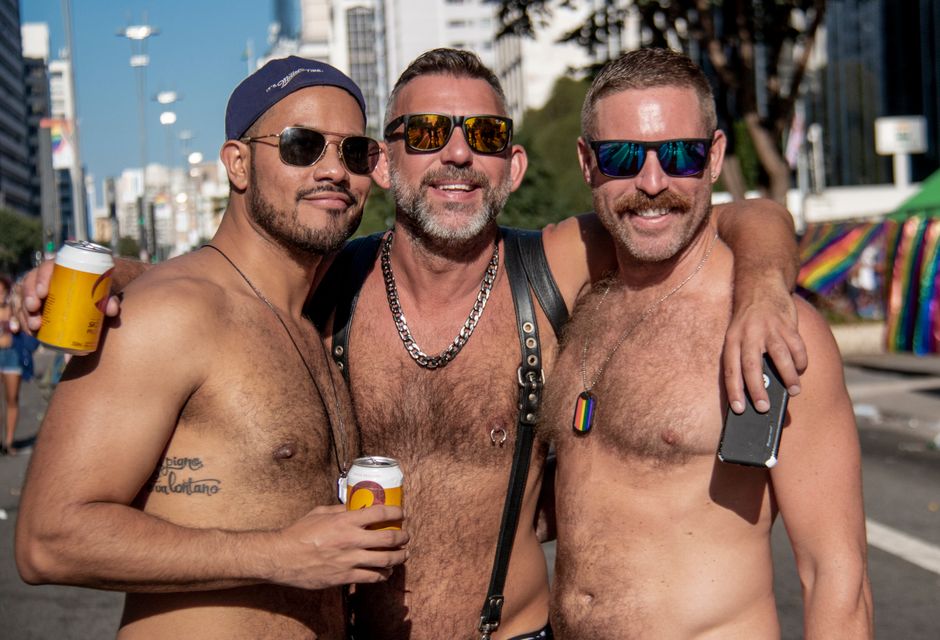
Wilton Manors residents understand that they live in a town that is, by definition, a public expression of queerness. The town's entire identity is built on that visibility.
"People are scared," said one longtime resident who asked not to be named, citing concerns about professional repercussions. "Not just for themselves. For their kids. For what happens if things get worse."
The psychological weight of this is substantial. Therapists at places like Coastal Behavioral Health LLC are reportedly seeing increased rates of anxiety and depression among clients processing the political climate. Residents who moved to Wilton Manors specifically to escape invisibility are now considering whether visibility has become too costly.
Real estate in the town remains strong, but conversations with local agents suggest a shift in the market. Some longtime residents are testing whether their property values will hold. New potential residents are asking harder questions about the town's long-term safety and stability. The calculus that made Wilton Manors the obvious choice for LGBTQ people relocating in Florida is becoming more complicated.
While outlets like The Advocate and Queerty covered the statewide assault on LGBTQ rights from a national angle, the story unfolding here in Wilton Manors is more intimate and more terrifying: it's about whether a place built specifically as a refuge can actually function as one when the entire state has turned hostile.
The town government has been vocal in its opposition to anti-LGBTQ legislation. Municipal leaders have made public statements supporting LGBTQ residents and opposing discriminatory policies. But municipal leadership can only do so much when the state controls education, healthcare regulations, and the legal framework that governs everything from employment to housing.
Some residents are fighting back through local engagement—attending city council meetings, supporting LGBTQ-owned businesses, and maintaining the community bonds that have always been Wilton Manors' greatest strength. The bar scene remains active. The art community continues to create. Small businesses like Si Buenas continue to operate as gathering spaces. Professional service providers continue to serve their clients.
But there's an undercurrent now, a sense that this era—the one where LGBTQ people could build a town that was openly, unapologetically queer—might be ending. Not because the people here are giving up, but because the state is making the cost of visibility increasingly unbearable.
Wilton Manors is still here. Still queer. Still fighting. But the residents who built this town into something remarkable are now asking themselves a question that previous generations of LGBTQ people in Florida thought they'd escaped: whether staying is worth the price.