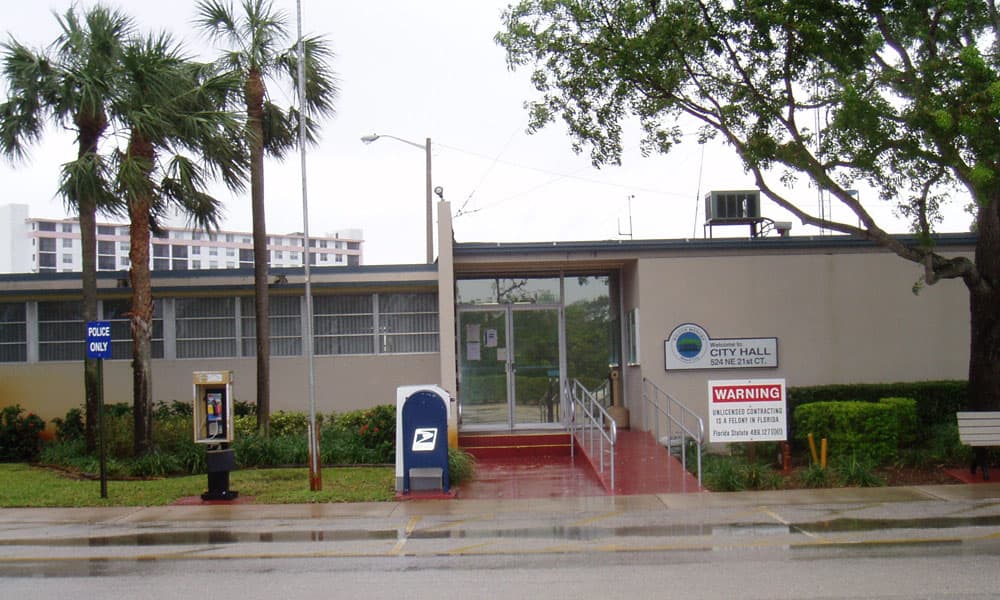
Wilton Manors: Where South Florida's Queer Life Actually Happens
Forget the postcards. Wilton Manors isn't a resort destination—it's a year-round neighborhood where LGBTQ people have built something real. Here's where to experience it.
Travel
Forget the postcards. Wilton Manors isn't a resort destination—it's a year-round neighborhood where LGBTQ people have built something real. Here's where to experience it.
#Wilton Manors#South Florida#LGBTQ neighborhoods#real estate#local living
A
Amelia Foster
Jun 6, 2026 · 4 min read
The rainbow flags on Wilton Drive aren't decoration. They're the most honest thing about this place: a small, unincorporated community in Broward County where gay people don't just visit on weekends. They live here, work here, pay taxes here, and have spent decades making it impossible for straights to pretend the neighborhood is anything other than what it is.
Wilton Manors sits roughly three miles north of Fort Lauderdale proper, tucked between the New River and the Atlantic Ridge Preserve. It's not glamorous by Miami standards. There are no megaclubs, no velvet ropes, no Instagram-bait rooftop bars with $20 cocktails. What exists here instead is something harder to manufacture: a functioning gay neighborhood where the infrastructure actually serves the people living in it, not just the people passing through.
Start on Wilton Drive itself, the main commercial corridor that runs north-south and has been the social and commercial spine of the community since the 1980s. On any given afternoon, the street moves with a particular kind of ease—people walking dogs, stopping at cafes, knowing their neighbors by face if not by name. The Drive has the texture of a real neighborhood, not a theme park. Businesses here have survived recessions, shifted with demographic changes, and adapted to what their customers actually need. A salon offering pet grooming services like Namastegrand Petstylists operates here not because it's exotic, but because the people in this neighborhood have dogs and want someone who knows what they're doing. That's it. That's the appeal.
For eating, The Host Table and Tap on NE 4th Avenue offers something increasingly rare in queer-focused neighborhoods: straightforward food without the performative aspect. The restaurant doesn't lean into any particular aesthetic or brand of queerness. It's a place where someone can get a decent meal and sit comfortably for an hour without feeling obligated to participate in anyone's scene. In a neighborhood saturated with the pressure to perform community, this kind of normalcy is its own luxury.
Health and wellness services cluster throughout Wilton Manors because the community has spent decades building infrastructure around actual need rather than tourism. Katharine Campbell Counseling & Consulting operates on NE 26th Street, part of a larger ecosystem of providers who understand that LGBTQ people need therapists, doctors, and wellness practitioners who don't require explanation or education about basic realities of queer life. Poverello Live Well Center on N Dixie Highway serves the community with the kind of accessibility that suggests years of listening to what residents actually require. These aren't novelty services marketed to queer visitors. They're basic infrastructure built by and for people who live here.
The real insider tip, though, involves understanding Wilton Manors' relationship to real estate. The neighborhood has experienced significant changes in recent years as property values have shifted and new development has accelerated. Projects like Lennar at Altessa at Wilton Manors represent the current moment—a mixture of preservation and transformation that's reshaping the community's physical landscape. For anyone considering moving here, the question isn't whether Wilton Manors is "gay enough" or has enough nightlife. The question is whether they want to live in a place where queerness is simply the baseline fact of neighborhood life, where the infrastructure has been built over decades by people who had no choice but to take themselves seriously.
The financial services sector reflects this too. A loan officer like Adam Jaroszewski at Fairway Independent Mortgage Corporation on NE 26th Street might seem like an odd thing to highlight in a travel piece, but it's precisely the point: Wilton Manors has the kind of institutional depth that allows people to actually stay. Getting a mortgage in a neighborhood where you're welcome isn't a small thing. It's the difference between tourism and home.
What makes Wilton Manors distinct from other queer neighborhoods in South Florida is its resistance to becoming a brand. Fort Lauderdale's beach areas have increasingly marketed themselves as gay destinations, which means they've also increasingly optimized themselves for consumption and spectacle. Wilton Manors has never fully made that move. It remains a neighborhood where gay people happen to live, rather than a destination where gay people are invited to spend money. The distinction matters more than it might initially appear.
The streets are quieter than you might expect. The bars, while present, don't dominate the social landscape the way they once did. Younger residents have different priorities than the generation that built the community in the 1980s and 1990s. The neighborhood is changing, which means some things are being lost and other things are being gained. That's the reality of any neighborhood that's actually alive.
For visitors, the appeal of Wilton Manors isn't that it offers an escape from straight life or a concentrated dose of queer culture. It's that it offers something genuinely harder to find: a place where queer life is simply the ordinary texture of how things work. The dogs get groomed. People eat lunch. Therapists have appointments. Real estate transactions happen. Life proceeds with the kind of mundane normalcy that only comes after decades of people deciding to stay and build something together.
That's not a vacation destination in the traditional sense. But it's something more valuable: proof that another way of living is possible.
Share:
Tags:#Wilton Manors#South Florida#LGBTQ neighborhoods#real estate#local living
About the Author
A
Amelia Foster
Staff writer at ThePinkPulse — covering LGBTQ+ news, culture, and community stories.