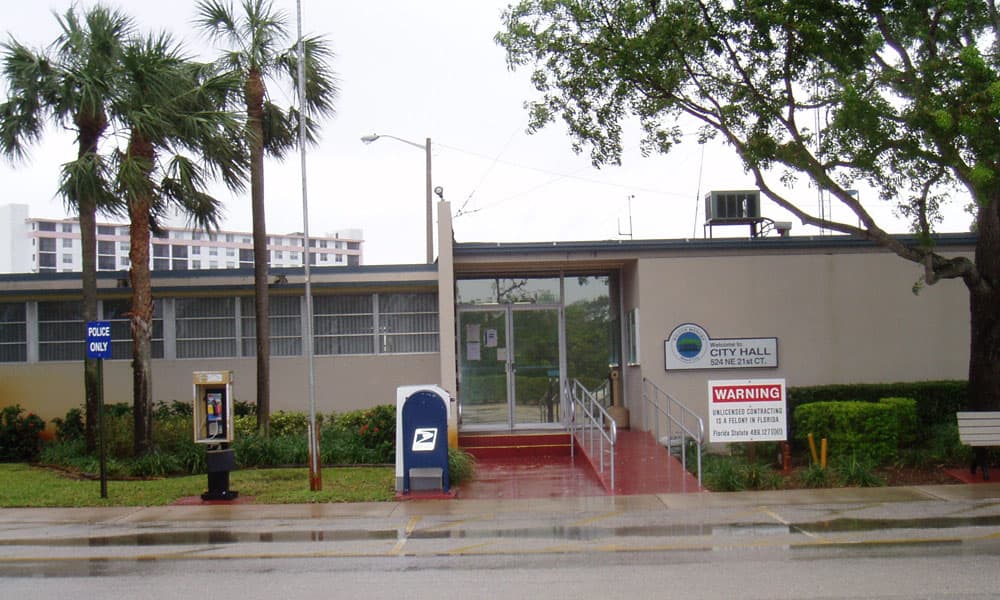
Wilton Manors: Where You Can Actually Afford to Live
While Miami's LGBTQ scene gets all the press, Wilton Manors has quietly built something more sustainable: a neighborhood where gay men and women can buy homes, start businesses, and age in place without selling a kidney. Here's what the town gets right.
Travel
While Miami's LGBTQ scene gets all the press, Wilton Manors has quietly built something more sustainable: a neighborhood where gay men and women can buy homes, start businesses, and age in place without selling a kidney. Here's what the town gets right.
#Wilton Manors#South Florida#real estate#LGBTQ community#local business
T
Tanya Hill
Jun 3, 2026 · 4 min read
The real estate market in South Florida has become a blood sport. Condos that sold for $200,000 a decade ago now list for $700,000. Renters are priced into a permanent precarity. But Wilton Manors—a small incorporated town in Broward County, about fifteen minutes north of Fort Lauderdale's downtown—has managed to remain a place where LGBTQ people can actually build something.
This is not accidental. The town has been openly gay-friendly for decades, and that institutional openness has created a different kind of economy than you'll find in the glittering, transient neighborhoods of Miami proper. Wilton Manors feels less like a destination and more like a home. The difference matters.
Wilton Drive is the spine of it all. Running north-south through the town's heart, the boulevard hosts restaurants, bars, service providers, and small businesses that cater to locals rather than tourists. On a Saturday afternoon, you'll see couples holding hands, drag queens doing their shopping, and retirees who've lived here for twenty years. The street has the feel of a place that was built by the people who live there, not designed by consultants for Instagram.
The neighborhood itself is residential—tree-lined streets with single-family homes, small apartment buildings, and the kind of mid-century modern houses that appeal to both nostalgia and genuine architectural appreciation. Twenty-first Century Estates, which specializes in mid-century modern properties and estate liquidation on NE 26th Street, has made a business of the town's aesthetic continuity. Hugo E. Moreno Realtor, located on Wilton Drive, handles residential sales throughout the area. Both represent the local real estate infrastructure that has allowed people to actually own property here rather than rent it indefinitely.
For those running small businesses or freelancing, Wilton Manors offers practical infrastructure. SRM Graphics & Printing on N Dixie Highway provides design and printing services for the small-business owners and nonprofit organizations that call the town home. Klaxos, a resume and LinkedIn writing service on Wilton Drive, caters to professionals who need to present themselves strategically in a competitive job market. These aren't flashy operations, but they're the unglamorous backbone of a functioning local economy.
Three concrete recommendations for anyone spending time here:
First, get your hair and skincare handled at Fancy I Naturals on NE 13th Avenue. A good barber or aesthetician is not a luxury—it's an anchor point in a community. This is where you'll hear the real news, the local gossip, the sense of who's building what and who's leaving. Grooming businesses in small gay towns function as informal town halls. The fact that Wilton Manors has a dedicated beauty and grooming operation suggests the town's residents are staying put long enough to establish regular appointments.
Second, if you're dealing with chronic pain, stress, or the general accumulated tension of being a gay person in 2025, Infinite Health Massage on Wilton Drive is the kind of local wellness business that actually serves the community rather than selling an aspirational lifestyle. Massage is not glamorous, but it's necessary. The existence of a dedicated massage practice suggests residents here are thinking about their bodies and their wellbeing in practical terms.
Third, eat somewhere on Wilton Drive or in the surrounding blocks. The restaurant scene shifts, but the principle remains: local restaurants in Wilton Manors tend to be owned and staffed by people who live here. You're not paying Miami Beach markup. You're supporting a business whose owner might also be your neighbor.
The insider tip: Wilton Manors is where people go when they want to stop performing. After years of navigating Miami's relentless scene culture—the apps, the bars, the constant optimization of oneself as a product—Wilton Manors offers something radical: permission to be ordinary. The town has enough gay density that you don't need to prove anything to anyone. You can be a middle-aged guy who works in insurance and has a husband and a dog. You can be a woman in a committed relationship who just wants to buy a house and plant a garden. You can be trans and not have to make it your entire identity in every social interaction. This sounds simple, but it's increasingly rare in South Florida.
That said, Wilton Manors is not a utopia. The town is predominantly white, and that whiteness shapes the local economy and social scene in ways that aren't always acknowledged. It's also a place that skews older—not ancient, but established—which creates both stability and a certain cultural conservatism. If you're twenty-two and looking for transgressive nightlife, you'll probably find Miami more compelling. If you're looking for a place where you can build equity, start a business, and know your neighbors' names, Wilton Manors is worth serious consideration.
The town's real achievement isn't that it's perfect. It's that it's functional. In a region where housing costs have become a form of class warfare, where small businesses are crushed by commercial rents, and where LGBTQ people are constantly asked to perform for the straight gaze, Wilton Manors has created something durable. That durability is worth paying attention to. It's also worth moving to.
Share:
Tags:#Wilton Manors#South Florida#real estate#LGBTQ community#local business
About the Author
T
Tanya Hill
Staff writer at ThePinkPulse — covering LGBTQ+ news, culture, and community stories.